
How to Move Long-Distance With Pets: A Stress-Free Guide
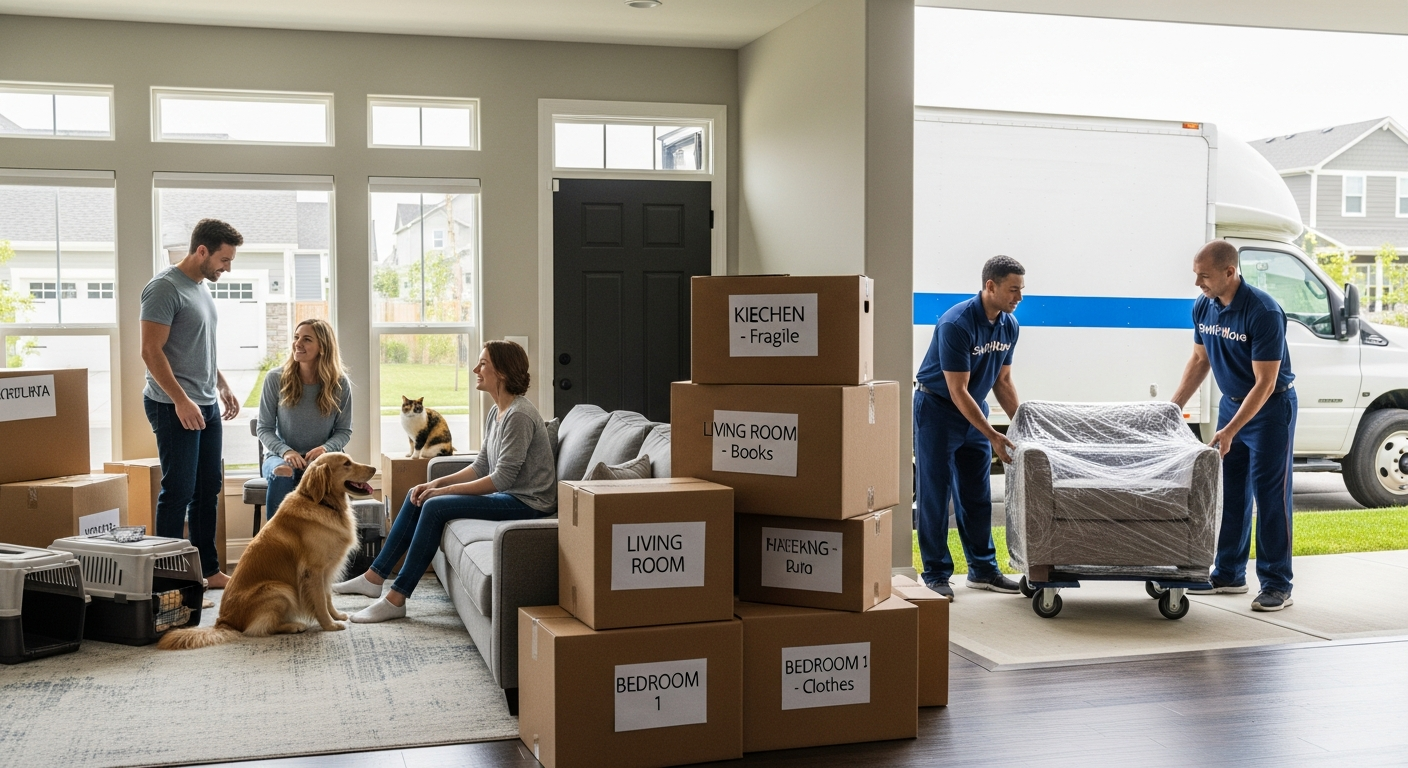
Planning a long-distance move is a project on its own. Add pets into the mix, and you are suddenly managing crates, vet records, anxious barking or meowing, and travel-day logistics on top of everything else. It is completely normal to feel overwhelmed, especially if this is your first big move with a dog or cat.
With the right preparation, moving with pets does not have to be chaotic. A thoughtful plan helps keep your animals safe, reduce their stress, and free you up to focus on the rest of the move. As a professional moving company that supports families through local and long-distance relocations, Atlas Route Moving sees every side of pet moves, from super smooth to unnecessarily stressful.
This guide walks you step-by-step through how to move long-distance with pets: what to do weeks before the move, how to manage travel day safely, and how to help your dog or cat settle into your new home. You will also see checklists, sample timelines, and practical tips to coordinate with your movers so everyone knows exactly what to expect.
Whether you are planning a long distance move with a dog, relocating with an older cat, or traveling with several pets, use this guide as your field manual. Adjust the details to match your pet’s personality and your travel arrangements, and reach out to a professional mover like Atlas Route Moving when you are ready for a clear plan and organized support.
Key takeaways
- Start planning your long-distance move with pets at least 4–6 weeks in advance to handle vet visits, microchips, and travel arrangements.
- Create a safe, quiet room for pets on packing and loading days to keep them secure and reduce anxiety.
- Build a dedicated pet travel kit with food, medications, records, cleaning supplies, and comfort items you keep with you, not on the moving truck.
- For a long distance move with a dog or cat, keep routines as normal as possible and introduce carriers and crates well before travel day.
- Coordinate with your moving company about pets, access, elevator reservations, and timing so there are no surprises on moving day.
- Budget for extra costs such as vet visits, health certificates, boarding, pet sitters, and pet-friendly lodging when relocating pets.
- Use a calm, step-by-step approach after arrival so your pets can gradually explore and settle into the new home safely.
How long-distance moves affect pets
Pets experience moves differently than people. They do not understand the bigger picture; they just know that boxes appear, strangers come in, and familiar smells and routines change.
Understanding what your pet might feel helps you design a lower-stress move.
How dogs often react
During a long distance move with a dog, you may see:
- Clinginess or following you from room to room
- Restlessness, panting, or pacing when boxes and movers appear
- Change in appetite or bathroom habits
- Protective behavior when strangers enter the home
Most dogs adjust well if their people stay calm, their schedule stays predictable, and they have a safe zone away from the main chaos.
How cats often react
Moving with cats is often more challenging because cats are highly territorial and sensitive to environmental changes. You might see:
- Hiding in closets, under beds, or in boxes
- Refusing to eat or use the litter box in unfamiliar settings
- Vocalizing more, especially during car travel
- Attempting to dash out open doors during loading and unloading
Cats usually need more time and structure to feel safe before, during, and after a move.
Why planning ahead matters
When you are moving with pets, last-minute decisions create stress. A clear plan covers:
- Health and paperwork requirements
- Safe travel carriers and restraint systems
- Where pets will stay on packing and loading days
- How you will handle food, water, and breaks during travel
- Where pets can safely stay your first few nights, even if the move-in runs late
By planning these details early, you reduce anxiety for your pets and for yourself, and you allow your movers to focus on a smooth, efficient relocation.
6-week timeline for moving with pets
Use this sample timeline as a starting point. Adjust based on your pet’s health, your moving distance, and whether your move is local, long-distance, or interstate.
| Timeframe | Key tasks for pets | Notes |
|---|---|---|
| 4–6 weeks before | Schedule vet visit, vaccinations, microchip check, discuss travel plan, confirm any health certificates needed. | Ask about motion sickness and anxiety options if needed. |
| 3–4 weeks before | Introduce carrier/crate, practice short car rides, start packing slowly away from pet zones. | Keep food, litter, and walks on a normal schedule. |
| 1–2 weeks before | Confirm travel route and pet-friendly stops, finalize pet sitter or boarding if used, pack pet go-bag. | Label pet supplies box as «Open First». |
| Moving week | Set up safe room on packing/loading days, adjust ID tags with new phone number if applicable. | Share plan and safe room location with your movers. |
| Travel day(s) | Stick to feeding/water schedule, take regular breaks, monitor stress signs. | Keep pets secure during all vehicle doors opening/closing. |
| First week after | Limit their space, reintroduce routines, supervise outdoor or balcony access closely. | Watch for appetite, litter box, or behavior changes. |
Sample wording to ask your vet: «We are moving out of state in about a month with our dog. We will be driving over two days. What should we know about keeping her comfortable, and do we need any specific paperwork for the new state?»
Vet visits, paperwork, and regulations
For many interstate and long-distance moves, you will need to think beyond a basic checkup. Relocating pets may involve specific paperwork, especially if you are crossing state lines or moving into certain apartment communities.
What to handle at the vet
- General health checkup and updated exam notes
- Core vaccinations based on your pet’s age and history
- Rabies certificate if required by your destination state or landlord
- Medication refills, including any routine prescriptions and preventives
- Motion sickness or anxiety support if recommended by your vet
- Microchip scan and updated registration information
Ask your vet for printed records and, if possible, a digital copy you can save in email or cloud storage.
Health certificates and state requirements
Some states or housing communities expect proof that pets are vaccinated and healthy upon arrival. For interstate moves, many families obtain a general health certificate from their veterinarian. Requirements can vary, so it is wise to:
- Ask your current vet what is typically required for your destination
- Review any pet policies from your future landlord or homeowners association
- Keep all records together in a labeled folder in your pet travel kit
Consumer guidance from the Federal Motor Carrier Safety Administration and U.S. Department of Transportation can offer general moving information, but always confirm specific pet requirements with your vet and your new housing provider.
ID tags and microchips
During a long distance move with a dog or cat, ID becomes especially important. Before travel day:
- Check that tags are readable and securely attached to the collar
- Include at least one phone number that will stay active during the move
- Update microchip contact information with your current email and cell number
These small steps make a big difference if a frightened pet slips through a door or darts from a carrier in a new place.
Choosing the right travel method for your pet
There is no one-size-fits-all answer for pet travel when moving. The best method depends on your pet’s size, health, temperament, and your own travel plans.
Common travel options for relocating pets
| Travel method | Best for | Considerations |
|---|---|---|
| Riding with you by car | Most dogs and many cats, especially for 1–3 day long-distance drives. | Requires secure crate or harness, planned breaks, and temperature control. |
| Travel in a friend or family member’s car | When your own vehicle is fully loaded or when you have multiple pets. | Choose someone your pet knows; align on schedules and care. |
| Professional pet transport (ground) | Long-distance, complex routes, or when car travel with you is not practical. | Research thoroughly; verify licensing and safety practices. |
| Commercial airline (in-cabin) | Small pets that handle travel well and can meet airline rules. | Check carrier size rules, health certificate requirements, and fees. |
Most families moving with pets choose car travel so they can monitor their animals the entire time. That is especially true for a long distance move with a dog who enjoys car rides.
Choosing the right carrier or restraint
Regardless of your travel method, safety and restraint are non-negotiable. Pets should never ride loose in a moving truck, and they should not be able to roam freely in a car during highway driving.
- Dogs: Use a crash-tested harness attached to a seat belt, or a secured crate in the rear of the vehicle.
- Cats and small dogs: Use a sturdy, well-ventilated carrier large enough for them to stand, turn, and lie comfortably.
- Multiple pets: Each pet should have its own carrier or secured space to reduce conflict and injuries.
Sample phrasing for family coordination: «On drive day, I will focus on the pets and their breaks in our car. Can you lead with the other vehicle and handle gas stops while I prioritize the dogs and their schedule?»
Preparing your home before movers arrive
Moving day is often the most stressful part of moving with pets because doors are open, boxes are everywhere, and many people are moving quickly in and out of your home. Advance preparation goes a long way.
Set up a pet-safe room
Choose a quiet room (such as a bedroom or bathroom) and make it your pets’ safe zone on packing and loading days.
- Move nonessential boxes and furniture out ahead of time.
- Set up food, water, litter box or puppy pads, and bedding.
- Play soft background noise or music to muffle bangs and voices.
- Place a sign on the door such as: «Pets inside – please keep door closed.»
Tell your moving crew exactly where this room is and ask them not to open the door unless you are present.
Walk-through with your movers
When your movers arrive, take a few minutes for a quick walk-through and mention your pets:
- Point out the pet-safe room location.
- Explain any gates, crates, or areas that are off-limits.
- Clarify which doors will stay open and for how long.
Professional crews like Atlas Route Moving are used to working in pet households and will do their best to follow your instructions, especially when they are clear and simple.
Reduce clutter and trip hazards
Loose leashes, bowls, and toys on the floor can become trip hazards for movers and stress triggers for pets. A day or two before the crew arrives, tidy any pet-related items that do not need to be out and pack them into labeled boxes.
Packing checklist and travel kit for pets
Your pet’s essentials should travel with you, not on the moving truck. Prepare a dedicated pet go-bag and a clearly labeled «Pet Supplies – Open First» box.
Pet travel kit essentials
| Item type | Examples | Why it matters |
|---|---|---|
| Food & treats | 3–7 days of your current food, high-value treats, collapsible bowls. | Keeps diet consistent and motivates nervous pets to eat. |
| Water & cleanup | Bottled water, extra towels, waste bags, paper towels, enzyme cleaner. | Prevents stomach upsets and helps you handle any messes. |
| Health & safety | Medications, flea/tick preventives, first-aid basics, vet records folder. | Keeps critical supplies at your fingertips on the road. |
| Comfort items | Favorite blanket, toy, worn t-shirt that smells like you. | Helps pets feel secure in new or moving environments. |
Open-first pet box
Pack a separate, clearly labeled box that will be unpacked immediately upon arrival. Include:
- Extra food, litter, and litter box or scooper
- Feeding and water bowls
- Beds, crates, and playpens
- Leashes, harnesses, and spare collars with ID
- Training pads or cleaning supplies
Load this box last on the moving truck or, even better, keep it in your personal vehicle.
Checklist: pet travel kit
- 3–7 days of food and treats
- Fresh water supply and collapsible bowls
- Medications and preventives
- Printed vet records and any health certificates
- Leash, harness, collar, and backup ID tags
- Carrier or crate and any bedding
- Litter, litter box, or poop bags
- Cleaning supplies and plastic bags
- Comfort items (blanket, toy, shirt)
Moving day game plan with pets
On moving day, your goal is simple: keep your pets safe and as calm as possible while the movers and your belongings are in motion.
Before the crew arrives
- Give dogs a normal walk and allow time to fully relieve themselves.
- Feed a lighter-than-normal meal to reduce car sickness risk.
- Move pets into their safe room with bedding, water, and a litter box for cats.
- Place a visible sign on the safe room door.
When the crew arrives, introduce yourself, confirm the plan for the day, and remind them about the pet-safe room.
During loading
While movers are working:
- Keep the safe room door securely closed at all times.
- Check on your pets periodically, but try not to open the door unnecessarily.
- Monitor for signs of severe distress (excessive drooling, vomiting, or extreme hiding).
For anxious animals, your presence near the safe room, using a calm voice, can help them feel less unsettled.
Transition to travel
Once your belongings are loaded and the crew is finishing up:
- Move your pets to their carriers or harnesses in a closed, quiet room, not near an open exterior door.
- Double-check collar fit and ID tags.
- Load pets into your vehicle last so they spend minimal time waiting in a parked car.
Calm wording helps: «We are almost ready to go, buddy. We are going to sit in the car together and take it slowly.» Your tone matters more than the exact words.
Travel day routine
On the road, keep routines as predictable as possible:
- Offer water every 2–3 hours.
- Stop for dog bathroom and stretch breaks as needed.
- Avoid feeding a full meal right before getting back into the car.
- Do not open carriers in unsecured, unfamiliar spaces (parking lots, rest stops).
For cats, it is often easiest to keep them in the carrier until you reach your overnight lodging or final destination, then transfer them directly into a prepared, closed room.
Helping pets settle into the new home
Arrival day is exciting for you but can be confusing for your pets. A thoughtful plan for the first 24–72 hours makes a big difference.
Set up a starter room
Just like your pet-safe room during loading, you will want a controlled space at your new home. Before bringing your dog or cat inside:
- Choose a quiet room away from the main entry.
- Set up basic supplies: bed, food, water, litter box, toys, and crate.
- Close windows and secure screens; check for any gaps where a scared cat could hide and become stuck.
Carry your pet directly into this room, close the door, and let them decompress while movers unload.
Gradual introduction to the home
Over the next few days:
- Allow short, supervised explorations outside the starter room.
- Reintroduce routines: regular walks, playtime, and feeding schedule.
- For cats, slowly expand access to additional rooms instead of giving the whole home at once.
- For dogs, explore new walking routes together, sticking to quieter streets at first.
Keep an eye on appetite, bathroom habits, and overall behavior. Many pets eat and drink less for a day or two; ongoing issues can be a reason to call your vet.
Setting up the long-term space
As you unpack and settle in:
- Place beds and crates in calm, draft-free spots where your pets can relax nearby but not in high-traffic doorways.
- Set up a consistent feeding station and litter box area.
- Check fences, balcony railings, and yard gates before off-leash time.
If your movers, such as the team from long-distance moving services at Atlas Route Moving, know you have pets, they can often help stage certain boxes out of pet zones until you are ready.
Cost factors when moving long-distance with pets
Moving with pets adds some additional costs alongside your regular moving budget. Being realistic about these helps you avoid surprises.
Typical pet-related costs
| Cost category | Examples | What affects price |
|---|---|---|
| Vet care & paperwork | Exam fees, vaccinations, health certificates, medication refills. | Number of pets, overdue vaccines, special medical needs. |
| Travel gear | Carriers, crates, harnesses, seat covers, travel bowls. | Pet size, quality level, new vs. existing equipment. |
| Boarding & pet sitters | Day-of-move boarding, overnight care, extended stays. | Local rates, length of stay, special handling needs. |
| Travel or lodging fees | Pet deposits at lodging, airline pet fees, extra cleaning charges. | Route, number of nights, and carrier policies. |
These costs are separate from your household moving estimate. When you use a tool like the Atlas Route Moving moving cost calculator, you can estimate your base move and then layer pet-related expenses on top.
How the moving company cost is affected
In most cases, simply having pets in the home does not directly increase your moving quote. However, a few pet-related factors can influence logistics and timing:
- Need for extra time to keep doors closed between trips
- Elevator reservations that must align with pet-safe schedules
- Requests to keep certain rooms undisturbed until later in the day
These details may not change your rate but can affect how your crew organizes the job. Sharing your pet plan early helps your movers schedule the day efficiently.
Working with your moving company around pets
Professional movers work best when they understand the full picture of your move, including your pets. When you are moving with pets long-distance, keep communication clear and specific.
What to tell your mover during the estimate
- Number and type of pets (for example, two indoor cats and one medium dog).
- Any special needs (senior pets, mobility issues, tendency to bolt).
- If you plan to board pets on moving day or keep them in the home.
- Whether you want the crew to avoid certain rooms until pets are moved.
When you request a quote from Atlas Route Moving, include these details so the coordinator can build a realistic plan and timeline for your move.
Coordinating packing and pet safety
If you are using professional packing services, decide whether pets will be at home that day. Some families prefer to board pets or have a friend keep them while packers work through the house.
If your pets will be present:
- Confirm which room will be the designated pet-safe room.
- Ask packers to avoid loud tape guns and heavy box shuffling near that room if possible.
- Schedule packers to work on the pet-safe room last, after animals have left.
Storage, timing, and flexibility
Sometimes, the best setup for moving with pets is to stage your move in phases. For example:
- Use storage services to move nonessential items out early, reducing chaos on pet-heavy days.
- Schedule loading on one day and final cleaning with pets boarded or off-site the next.
- Arrange delivery at your new home once you have already set up a pet-safe starter room.
Atlas Route Moving can work with you to build a schedule that makes sense for your family and your animals, especially for complex interstate moves.
Helpful Atlas Route Moving services
Questions to ask before booking a mover
When you are comparing moving estimates, especially for a long-distance move with pets, ask questions that clarify how each company handles logistics, communication, and timing.
| Question | Why it matters | What to listen for |
|---|---|---|
| «How do you handle moves where pets are staying in the home during loading?» | Shows whether the crew is used to pet households and can follow basic safety rules. | References to pet-safe rooms, door awareness, and communication. |
| «Can we schedule loading or unloading at specific times that work around pet routines?» | Helps you align walks, medication, or boarding drop-off with mover timelines. | Clear explanation of scheduling windows and flexibility. |
| «What information about my home and pets do you need before moving day?» | Shows their focus on planning and avoiding day-of surprises. | Interest in building layout, access, elevators, and household details. |
Sample wording when you contact movers: «We are moving long-distance with two indoor cats and one dog. The cats will be in a closed bedroom, and the dog will be off-site during loading. Can you note this in our file so the crew knows the plan?»
Common mistakes when relocating pets
Many pet-related moving problems are preventable. Awareness helps you avoid them.
| Mistake | Risk | Better approach |
|---|---|---|
| Leaving pets loose during loading or unloading | Escapes through open doors, injuries, and anxiety for pets and movers. | Use a closed pet-safe room or crate and clear signs for the crew. |
| Packing pet supplies on the truck | No access to food, medication, or litter during travel or delays. | Keep a travel kit and open-first box with you in your vehicle. |
| Skipping vet visits before a long move | Undiagnosed health issues, missing vaccines, last-minute paperwork stress. | Schedule a vet check 4–6 weeks before your move date. |
| Changing food right before or during the move | Upset stomach, diarrhea, or refusal to eat while away from home. | Stick with the same food; if you must switch, transition gradually. |
- Do not sedate pets without veterinary guidance; some medications can be risky for travel.
- Avoid leaving pets alone in vehicles, especially in warm or very cold weather.
- Do not assume your new yard or balcony is secure until you personally inspect it.
How Atlas Route Moving supports pet-friendly moves
Atlas Route Moving regularly supports families who are moving with pets, whether it is a local apartment move with one cat or a multi-day interstate relocation with several dogs.
Organized long-distance logistics
Our long-distance moving services are designed to keep your schedule clear and predictable. When you know when crews will arrive for loading and delivery, it is easier to coordinate dog walks, boarding, or drop-off and pick-up with sitters.
Careful handling in pet homes
Our crews are trained to be mindful in homes with animals. While we cannot control every variable, we can:
- Follow your instructions about pet-safe rooms and closed doors.
- Stage boxes away from litter boxes, food areas, and water bowls.
- Work efficiently to reduce the time doors need to stay open.
Flexible options for complex moves
If your schedule is tight or you are juggling multiple responsibilities on top of relocating pets, we can help simplify the process by combining:
- Professional packing so you can focus on pet care.
- Secure storage if you need to move in stages.
- Coordinated long-distance transport with clear windows for delivery.
Visit our moving services page to see how different options can be combined for your move.
Next steps: planning your move with pets
If you are starting to plan a move and want to be sure your pets are considered in every step, you can:
- Use the Atlas Route Moving moving cost calculator to get a ballpark estimate.
- Review our service areas to confirm coverage for your origin and destination.
- Request a free moving quote and mention your pets so a coordinator can help you design a pet-friendly moving plan.
Related moving guides
Frequently asked questions
How far in advance should I plan a long-distance move with pets?
Aim to start planning 4–6 weeks before your move. This gives you time for vet appointments, paperwork, carrier training, and arranging boarding or pet sitters if needed.
Should my dog ride in the moving truck?
No. Pets should never ride in the moving truck. They should travel with you or another trusted person in a climate-controlled vehicle with proper restraints or carriers.
How do I reduce my cat’s stress when moving?
Start by making the carrier a familiar, positive place, keep a quiet safe room on packing days, and introduce your new home gradually, starting with one room and expanding slowly.
Is it better to board pets on moving day?
Boarding or having pets stay with a friend is often the least stressful option on heavy packing and loading days. It removes the risk of escapes and keeps them away from loud, unfamiliar activity.
What should I pack in a pet travel kit for a long-distance move?
Pack a few days of food, water, medications, vet records, leashes, waste bags, litter, cleaning supplies, and comfort items like a favorite blanket or toy.
Can I change my pet’s food during the move?
It is best to avoid food changes right before or during the move. Sudden diet changes plus travel stress can upset your pet’s stomach. If a change is necessary, transition gradually after you arrive.
How soon will my pet adjust after we move?
Most dogs adjust within a few days to a couple of weeks. Many cats need longer, sometimes several weeks. Stable routines, patience, and a quiet starter room help speed up adjustment.
Do movers charge extra because I have pets?
Simply having pets usually does not add fees, but pet-related logistics can affect timing. Share your pet plan in advance so your movers can organize the day efficiently.
Can Atlas Route Moving help if I am moving with multiple pets?
Yes. While we do not transport animals, we can coordinate packing, loading, and delivery schedules around your pet plans to make travel and settling in smoother.
How do I find out if my new state has pet regulations?
Ask your current vet, review your new landlord or HOA pet rules, and check general guidance from state agencies. Then keep all records and certificates together in your pet travel folder.
Sources referenced in this guide
To create a practical, safe approach to moving with pets, this guide draws on general recommendations and best practices from:
- Veterinary health and vaccination guidance from licensed veterinarians
- Federal Motor Carrier Safety Administration consumer guidance on interstate moves
- U.S. Department of Transportation moving guidance for long-distance travel
- State transportation and consumer protection agencies regarding pet and animal transport rules
- Typical apartment and homeowners association pet policies for move-in requirements
- Written moving estimates, service agreements, and household goods moving best practices
Always follow your veterinarian’s specific recommendations for your pets and review your written moving documents for details about services, timing, and coverage.
This guide is general moving information, not legal, insurance, or regulatory advice. Moving requirements, pricing, access rules, and coverage options may vary by location, move type, building rules, and service agreement.
Atlas Route Moving blog articles can help you combine this pet-focused guidance with broader checklists for long-distance and interstate moves.