
Local vs. Long-Distance Moving: What’s the Difference?
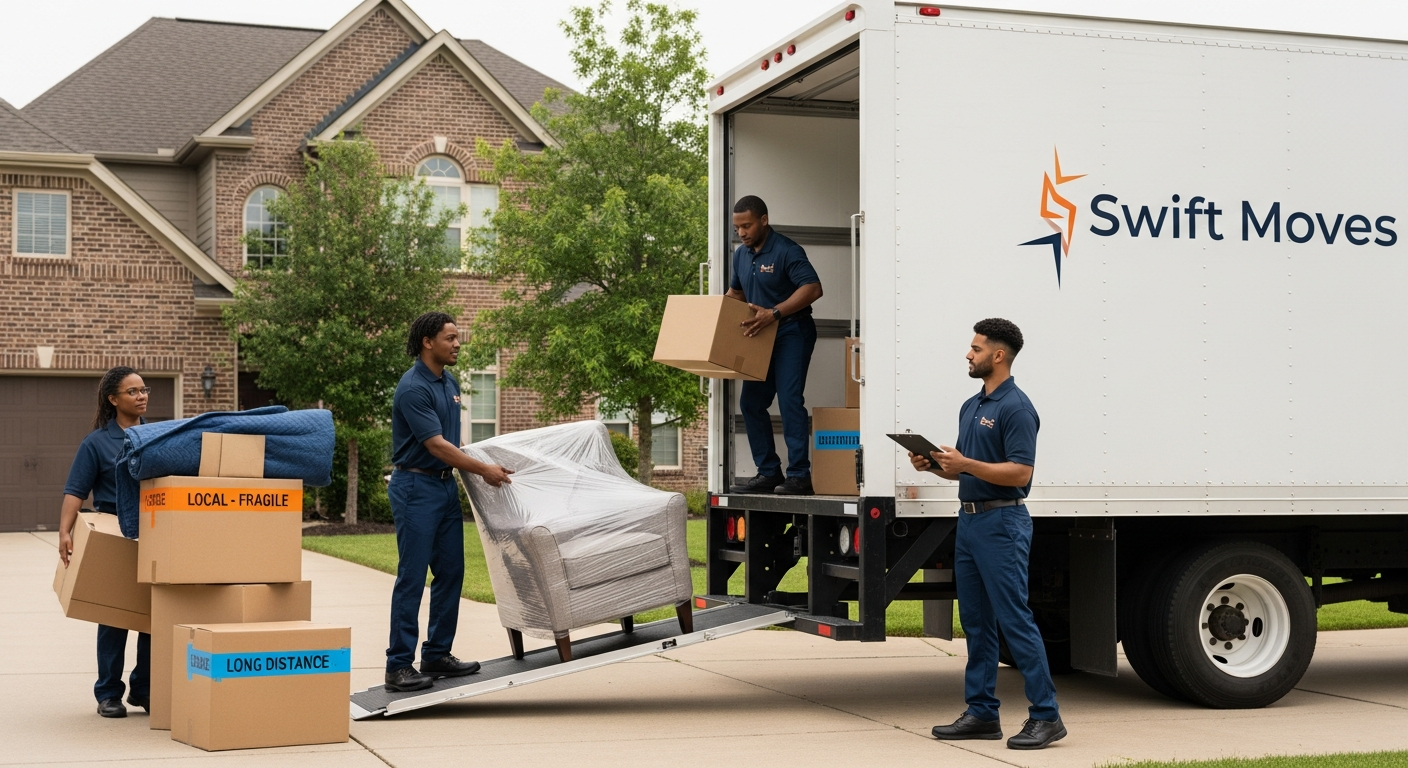
When you start planning a move, one of the first questions your moving company will ask is whether it is a local move or a long-distance move. That might sound like a technical detail, but it has a big impact on how your move is priced, how it is scheduled, what the paperwork looks like, and what you should expect on moving day.
Understanding the difference between local and long-distance moving helps you plan your budget, choose the right services, and avoid last-minute surprises. Pricing models, timelines, and regulations can all change once your move crosses certain distance or state-line thresholds.
This guide from Atlas Route Moving walks through local vs long distance moving in plain language. You will see how movers define each type, how hourly pricing compares to weight or distance-based pricing, how interstate move definition affects your paperwork, and what you can do to prepare for a smooth move either way.
Whether you are moving a few blocks away or across the country, this field-tested overview is designed to help you plan, compare estimates, and decide which moving services make sense for your situation.
Key takeaways
- The main difference between local and long-distance moves is distance and whether the move crosses state lines, which changes pricing and regulations.
- Local moves are usually priced hourly based on crew size and time; long-distance and interstate moves are typically priced by shipment weight or volume and mileage.
- Interstate moves (state-to-state) involve additional paperwork, valuation options, and consumer protections compared with intrastate local moves.
- Accurate inventory, flexible dates, and good access at both homes can significantly reduce long distance move cost.
- Preparation looks different for each move type: local moves focus on same-day efficiency, while long-distance moves require more planning, labeling, and contingency items.
- Comparing written estimates, service levels, and exclusions side-by-side is the best way to avoid surprise costs.
- Working with a licensed, insured mover like Atlas Route Moving can help align the right service type with your budget and timeline.
How movers define local vs. long-distance moves
Before you can compare local vs long distance moving, it helps to understand how most moving companies classify your move. Definitions can vary slightly by company and state, but there are some common patterns.
What is a local move?
In many parts of the United States, a local move is typically defined by both distance and whether the move remains within the same state. Movers often consider a move local if:
- The distance is within a certain radius (commonly 25–100 miles) of the origin address.
- The move stays within the same state (intrastate).
- The move can usually be completed in one day with one truck and crew.
Every company sets its own exact radius, so a 75-mile move might be treated as local by one mover and as long-distance by another. That is why asking for your mover's local vs long distance moving definitions up front is important when you are shopping around.
What is a long-distance move?
A long-distance move generally describes any move that goes beyond the mover's local radius and often involves:
- Travel of 100–400+ miles from the origin.
- Multiple days of transit and delivery windows.
- Different pricing based on distance, weight, or volume rather than hourly labor only.
Some long-distance moves are still within a single state (intrastate long-distance), while others cross state lines and are considered interstate moves. The difference between local and long distance move becomes more than distance once state lines and regulations are involved.
Interstate move definition and why it matters
For planning, pricing, and consumer protections, the interstate move definition is especially important.
What is an interstate move?
An interstate move is any relocation where your goods cross a state line at any point during the journey. It does not matter if your starting and ending addresses are close to the state border or if the truck takes a route that briefly passes through another state.
From a regulatory standpoint, interstate moves involve federal oversight, standardized documents for long-distance shipments, and specific rules around estimates, liability options, and dispute procedures. These are often referenced in carrier tariffs, bills of lading, and valuation disclosures.
What is an intrastate move?
An intrastate move stays within one state's borders from loading to delivery. Intrastate moves can be local or long-distance depending on how far you are traveling within that state. These moves are typically regulated at the state level, and rules can vary by location.
When you contact a mover like Atlas Route Moving, you do not need to memorize every rule. What matters is giving accurate origin and destination addresses so the mover can identify whether your job is local, intrastate long-distance, or interstate, and then apply the correct pricing and paperwork.
Pricing models: hourly vs. weight and distance
Once you understand how your move is classified, the next big question is how your price will be calculated. Local vs long distance moving uses different pricing models, and that directly affects how you can control your costs.
How local moves are usually priced
Local moves are most commonly billed on an hourly basis. Your total price is typically:
Total labor hours x hourly rate (for your crew size) + any materials or add-on services.
Key components for local move pricing include:
- Crew size: For example, 2 movers vs 3 or 4 movers.
- Hourly rate: Often higher for larger crews but more efficient overall.
- Minimum hours: Many movers require a 2–4 hour minimum charge.
- Travel time: Time to and from your home can be billed or rolled into a “travel fee.”
- Materials and extras: Boxes, packing supplies, special handling (pianos, safes), or disposal fees.
Because local jobs are hourly, your preparation and access have a direct impact on the final cost. Good staging, clear paths, and reserved elevators can cut hours off your move.
How long-distance and interstate moves are usually priced
Long-distance and interstate moves are often priced using a different model, usually based on shipment size and mileage instead of hourly labor.
Common approaches include:
- Weight-based pricing: Your belongings are weighed on a certified scale; the charge is based on pounds and distance.
- Volume-based pricing: Especially on some routes, pricing may be based on cubic feet or the truck space your shipment occupies.
- Flat-rate quotes: Some movers calculate a binding or not-to-exceed price up front using an inventory list and known mileage.
Labor time is still considered, but it is usually baked into the overall rate, not charged by the hour. This makes an accurate inventory extremely important if you want a dependable estimate of your long distance move cost.
Side-by-side comparison of typical pricing models
| Move type | Common pricing model | What affects the final cost most |
|---|---|---|
| Local (same city or metro) | Hourly rate x crew size + materials/travel | Time it takes to load, drive, and unload; access; packing level |
| Intrastate long-distance | Hourly or weight/flat-rate, depending on state and company | Distance within the state, shipment size, services selected |
| Interstate long-distance | Weight or volume + mileage; sometimes flat-rate binding estimates | Shipment weight/volume, mileage, route, dates, access conditions |
When you contact Atlas Route Moving, the team will walk through your inventory and destinations and explain how your specific job will be priced under our local or long-distance moving structure.
Key cost factors for local and long-distance moving
Even with different pricing methods, many of the same elements influence both local and long distance move cost. The difference is in how strongly each factor affects the final number.
Shared cost factors
- Move size: More furniture and boxes means more time or a higher shipment weight.
- Access conditions: Stairs, long carries, tight hallways, parking rules, and elevators can add time or labor surcharges.
- Packing: Full or partial packing, specialty item crating, and materials are additional line items.
- Timing: Weekends, month-end, and peak season (often summer) can have higher rates or limited availability.
- Special items: Pianos, safes, large glass pieces, or bulky exercise equipment may require extra handling.
Extra considerations for long-distance moving
For long-distance and interstate moves, some additional elements come into play:
- Routing and mileage: The longer the distance, the higher the transportation portion of your cost.
- Delivery window: Tighter windows or specific delivery dates can influence pricing.
- Storage in transit: Temporary storage between pickup and delivery adds fees but can be useful if your new home is not ready.
- Valuation protection: Long-distance shipments typically include valuation options that affect your coverage and cost.
Cost factor comparison table
| Cost factor | Impact on local moves | Impact on long-distance moves |
|---|---|---|
| Move size (number of items) | Increases labor hours; may require bigger crew | Increases shipment weight/volume; larger truck space |
| Distance between homes | Adds drive time but often limited impact in same city | Major driver of transportation cost and schedule |
| Packing level (DIY vs full) | Changes total hours and material charges | Affects loading time and how well items travel during long transit |
| Access and building restrictions | Can add stair or long-carry fees; slows job down | Influences loading/unloading time and sometimes extra shuttles |
For both move types, a clear, documented inventory and accurate description of parking, stairs, and elevator access will help the mover build a realistic quote and reduce the risk of price changes later.
Typical timelines for local vs. long-distance moves
The difference between local and long distance move is also visible in the calendar. Local moves generally happen on a single day, while long-distance moves play out over several days or even weeks, depending on distance and route.
Typical local move timeline
Here is a common timeline for a local move once your date is reserved:
- 2–4 weeks before: Confirm estimate, book date, start decluttering and packing non-essentials.
- 1 week before: Finish most packing, confirm building reservations and parking arrangements.
- 1–2 days before: Pack essentials bag, defrost fridge/freezer if needed, label remaining boxes.
- Move day: Crew arrives, loads, drives to new home, and unloads; job completes same day for typical local moves.
Typical long-distance move timeline
Long-distance and interstate moves require more lead time and flexibility. A common pattern looks like this:
- 4–8 weeks before: Request surveys, compare long-distance estimates, and reserve your date window.
- 3–4 weeks before: Confirm valuation and service level, begin packing or schedule professional packing.
- 1–2 weeks before: Finalize inventory updates, confirm pickup and delivery windows.
- Pickup day(s): Crew loads shipment; in some cases packing happens the day before.
- Transit window: Shipment travels to destination over several days, sometimes with other loads depending on your service type.
- Delivery day(s): Crew unloads and reassembles basic furniture at destination within the scheduled window.
Sample timeline comparison
| Stage | Local move | Long-distance/interstate move |
|---|---|---|
| Planning lead time | 2–4 weeks is often enough | 4–8+ weeks recommended, especially in peak season |
| Packing schedule | Mostly completed in week before move day | Starts earlier; more detailed labeling and protection needed |
| Pickup and delivery | Same day for most moves | Pickup on one day; delivery within agreed transit window |
Because your belongings are in transit longer on a long-distance move, it is important to plan for what you will need during that time, from clothes to documents to basic household items.
Choosing service levels: labor-only, full-service, packing, and storage
Once you understand if your job is local or long-distance, the next step is choosing how much help you actually want. Service options can be mixed and matched for local vs long distance moving, but the way they are delivered can differ.
Common service levels
- Labor-only: Movers provide loading and unloading help when you have your own truck, rental, or container.
- Standard full-service move: Movers load, transport, and unload your household goods; you handle most of the packing.
- Full-service with packing: Movers pack some or all of your items, in addition to loading, transporting, and unloading.
- Storage services: Short- or long-term storage for part or all of your shipment.
How service levels differ between local and long-distance moves
| Service level | Local moves | Long-distance moves |
|---|---|---|
| Labor-only | Popular for rental trucks and smaller apartments; usually billed hourly. | More limited; you may hire local crews at each end separately if transporting yourself. |
| Standard full-service | Efficient for same-day moves; hourly plus materials. | Core option for interstate and cross-country, priced by weight/distance. |
| Packing services | Can often be completed day before or same day for smaller jobs. | Usually scheduled ahead of pickup and strongly recommended for fragile items. |
| Storage | Short-term vehicle or container storage if move dates don't line up. | Storage-in-transit commonly used when waiting on housing or closing dates. |
Atlas Route Moving can help you choose the right combination of services, whether that is a basic local loading crew, a full-service interstate shipment with packing, or storage options while you transition between homes.
How to compare moving estimates for each move type
Comparing moving quotes is one of the most important steps in planning either a local or long-distance move. Because of the different pricing methods, you need to know what to look for in each type of estimate.
What to check on a local move estimate
- Crew size and hourly rate: Confirm how many movers are included and the hourly rate for that crew.
- Minimum hours and travel time: Note the minimum charge and whether travel time is billed separately.
- Included materials: Ask which items (pads, tape, shrink wrap) are included vs. billed.
- Additional fees: Confirm rates for stairs, long carries, pianos, or last-minute changes.
Sample wording to ask a mover about their local estimate: “Can you walk me through exactly what your hourly rate includes, your minimum charge, and any extra fees I should be aware of for our third-floor walk-up?”
What to check on a long-distance or interstate estimate
- Shipment size basis: Clarify whether the quote is based on estimated weight, volume, or a detailed item inventory.
- Type of estimate: Non-binding, binding, or not-to-exceed each have different rules and flexibility.
- Valuation options: Review basic coverage vs. optional higher levels of valuation.
- Delivery window: Understand your pickup and delivery date range and any fees for changes.
- Storage and extra services: Separate line items for packing, unpacking, and storage in transit.
Sample wording to clarify a long-distance estimate: “Is this quote based on a binding not-to-exceed weight and inventory, and what would cause the price to change on moving day?”
Side-by-side estimate review
When you receive multiple estimates, it helps to compare them line-by-line rather than just looking at the total. Consider creating a simple checklist:
- Move type clearly marked as local, intrastate, or interstate.
- Pricing method and estimate type explained.
- Inventory list matches what you plan to move.
- Service levels (packing, storage, special items) are clearly listed.
- Exclusions and potential extra fees are documented.
You can also use tools like the moving cost calculator from Atlas Route Moving to get a ballpark idea of budget ranges as you plan.
How to prepare before the movers arrive
Preparation can make a bigger difference to local vs long distance moving than many people realize. While every move is unique, the steps below are proven to save time, reduce risk, and improve your overall experience.
Preparation checklist for local moves
- Declutter and donate items you know you will not bring.
- Pack and label boxes with clear room names (Kitchen, Bedroom 1, Office).
- Group boxes by room near entrances to reduce walking time.
- Disassemble simple furniture ahead of time if you prefer to save crew time.
- Reserve elevator and loading dock with your building, if needed.
- Arrange safe parking space as close to the entrance as possible.
- Secure pets and children away from the main paths on move day.
Preparation checklist for long-distance and interstate moves
- Create a detailed written inventory, including large items and box counts.
- Use sturdy boxes and plenty of padding, especially for long transit.
- Label each box with room, contents, and priority (e.g., "Open First").
- Photograph high-value or delicate pieces before they are packed.
- Separate items that will travel with you (documents, jewelry, medications).
- Confirm that your contact information and backup contact are correct.
- Review your valuation choice and ask any last questions about coverage.
For both move types, having your home as organized as possible when the crew arrives lets them start working efficiently right away, which is good for your schedule and your budget.
What to keep with you on moving day
Whether your move is across town or across the country, there are some items you should keep with you rather than placing on the truck. On a local same-day move, this is mostly about convenience. On a long-distance or interstate move, it is about both convenience and security.
Essentials for any move
- Wallet, keys, phones, and chargers.
- Identification, important documents, and moving contracts.
- Medications and basic first-aid items.
- Change of clothes and essential toiletries.
- Basic cleaning supplies and trash bags.
- Snacks, water, and any needed pet supplies.
Additional items to keep with you for long-distance moves
- Travel folder with housing, school, and employment documents.
- Laptop and small electronics you cannot easily replace.
- Printed inventory or copy of your long-distance moving paperwork.
- Small valuables and sentimental items.
- Basic kitchen kit for the first night (disposable plates, utensils).
Think of your personal essentials kit as the bag that would let you comfortably manage for several days even if your shipment was delayed. That is a practical way to plan for long-distance and interstate moving timelines.
Common mistakes when choosing local vs. long-distance services
Some of the most frustrating moving experiences come from misunderstandings about move type, pricing model, or service level. Being aware of common mistakes can help you avoid them.
Frequent mistakes on local moves
- Underestimating time: Assuming a whole home can be moved in two hours when access and packing are not ready.
- Not reserving parking: Forcing crews to park far away, adding long carries and time.
- Last-minute changes: Adding large items or extra stops that were not in the estimate.
- Partial packing: Leaving many loose, unpacked items that slow loading and unloading.
Frequent mistakes on long-distance moves
- Vague inventory: Giving only a rough guess of belongings, leading to inaccurate long distance move cost estimates.
- Not clarifying estimate type: Misunderstanding binding vs non-binding quotes and how final charges are calculated.
- Ignoring delivery windows: Expecting exact dates when paperwork shows a window.
- Skipping valuation discussions: Not understanding what level of protection is included or available.
Mistakes and countermeasures table
| Common mistake | Impact on your move | How to avoid it |
|---|---|---|
| Not confirming whether move is local, intrastate, or interstate | Surprise pricing changes and different paperwork than expected | Ask your mover to clearly classify your move and explain the implications. |
| Relying on verbal estimates only | Misunderstandings about services, costs, and what is included | Request a written estimate with line items and terms for your records. |
| Under-preparing the home | Longer load and unload times; higher hourly cost for local moves | Follow preparation checklists and complete as much packing as agreed. |
| Not disclosing special items or access challenges | Additional fees or the need for extra equipment and time on move day | Tell your mover about heavy, delicate, or bulky items and tight stairs ahead of time. |
How Atlas Route Moving can help with local and long-distance moves
Atlas Route Moving provides professional moving support for both local and long-distance relocations within the United States. Our team focuses on careful handling, clear communication, and practical planning so that your move fits your budget and timeline.
When you contact our coordinators, we walk through your origin and destination, help determine whether your move is local, intrastate, or interstate, and explain how that affects your pricing and schedule. We then build a tailored plan using our moving, packing, and storage services.
Helpful Atlas Route Moving services
If you are planning a state-to-state or cross-country relocation, our dedicated long-distance moving services are designed to manage the details that come with longer routes and delivery windows.
Questions to ask before booking any mover
- Are you licensed and insured for local and interstate moves?
- How do you define local vs. long-distance moves in my area?
- What pricing model will apply to my move, and why?
- Is my estimate binding, non-binding, or not-to-exceed?
- What are my options for packing help and storage?
- What is your typical delivery window for a move like mine?
These questions help you compare movers and ensure expectations match what will happen on move day.
Frequently asked questions
What is the main difference between local and long-distance moving?
The main difference is distance and whether your shipment crosses state lines. Local moves usually stay within a metro area and are often billed hourly. Long-distance moves travel farther, may cross states, and are usually priced by shipment weight, volume, and mileage.
How many miles is considered a local move?
There is no single nationwide rule, but many movers treat moves within roughly 25–100 miles in the same state as local. Each company sets its own radius, so always ask how your mover defines a local move in your area.
What is the interstate move definition?
An interstate move occurs when your belongings cross a state line at any point during the trip, even if the origin and destination are close to the border. Interstate moves are subject to federal rules and specific documentation requirements.
Why are long-distance moves more expensive than local moves?
Long-distance moves involve higher transportation costs, more time in transit, route planning, and often more complex logistics. Pricing is usually based on weight or volume and mileage, so larger shipments and longer routes naturally increase the long distance move cost.
How can I reduce the cost of a long-distance move?
Declutter before you move so you are not paying to ship items you do not need, provide an accurate inventory for quotes, be flexible with dates if possible, and consider partial packing services for fragile items while packing simpler items yourself.
Is packing included in my moving quote?
It depends on the quote. Some estimates include only loading, transport, and unloading, with packing listed as an optional add-on. Others may bundle some packing time or materials. Always check the line items and ask the mover to explain what is and is not included.
How far in advance should I book movers for a long-distance move?
Many people find that booking 4–8 weeks before an interstate move gives the best combination of pricing and availability, especially for summer or end-of-month dates. Local moves can sometimes be booked closer to the date, but earlier is still better.
Do I need different insurance for a long-distance move?
Long-distance and interstate moves typically include basic valuation coverage, with options to purchase higher levels of protection. The right choice depends on the value of your belongings and your risk tolerance. Review your options with your mover and, if needed, your own insurance provider.
What should I keep with me instead of sending on the moving truck?
Keep documents, medications, small valuables, electronics, a few days of clothing, and essential toiletries with you. For long-distance moves, also carry printed moving paperwork, contact information, and basic supplies to get through your first night without your full shipment.
Can the same moving company handle both local and interstate moves?
Yes, many licensed and insured moving companies handle both, but not all do. Confirm that your mover is properly authorized for the type of move you need. Atlas Route Moving supports local and long-distance relocations within the United States.
Sources referenced in this guide
This guide is based on practical moving experience and standard industry documents used across the United States. Important reference points include:
- Federal Motor Carrier Safety Administration consumer guidance for interstate moves
- U.S. Department of Transportation moving guidance and terminology
- State transportation and consumer protection agency rules for intrastate moves
- Written moving estimates, orders for service, and bills of lading provided by carriers
- Carrier tariffs and valuation options outlining coverage and liability limits
- Building management move-in and move-out policies for elevators and loading areas
Related moving guides
Planning your next move with Atlas Route Moving
If you are weighing local vs long distance moving for an upcoming relocation, the team at Atlas Route Moving can help you sort through your options. We will review your inventory, access, and dates, explain whether your move will be billed as local, intrastate, or interstate, and outline realistic pricing based on your needs.
You can explore our full range of moving services, check whether we cover your area using our service areas page, or read detailed planning tips on the Atlas Route Moving blog.
When you are ready for numbers, try our moving cost calculator for a quick estimate, or request a free moving quote to speak with our team about your specific local or long-distance move.
This guide is general moving information, not legal, insurance, or regulatory advice. Moving requirements, pricing, access rules, and coverage options may vary by location, move type, building rules, and service agreement.