
How to Avoid Moving Scams and Rogue Movers
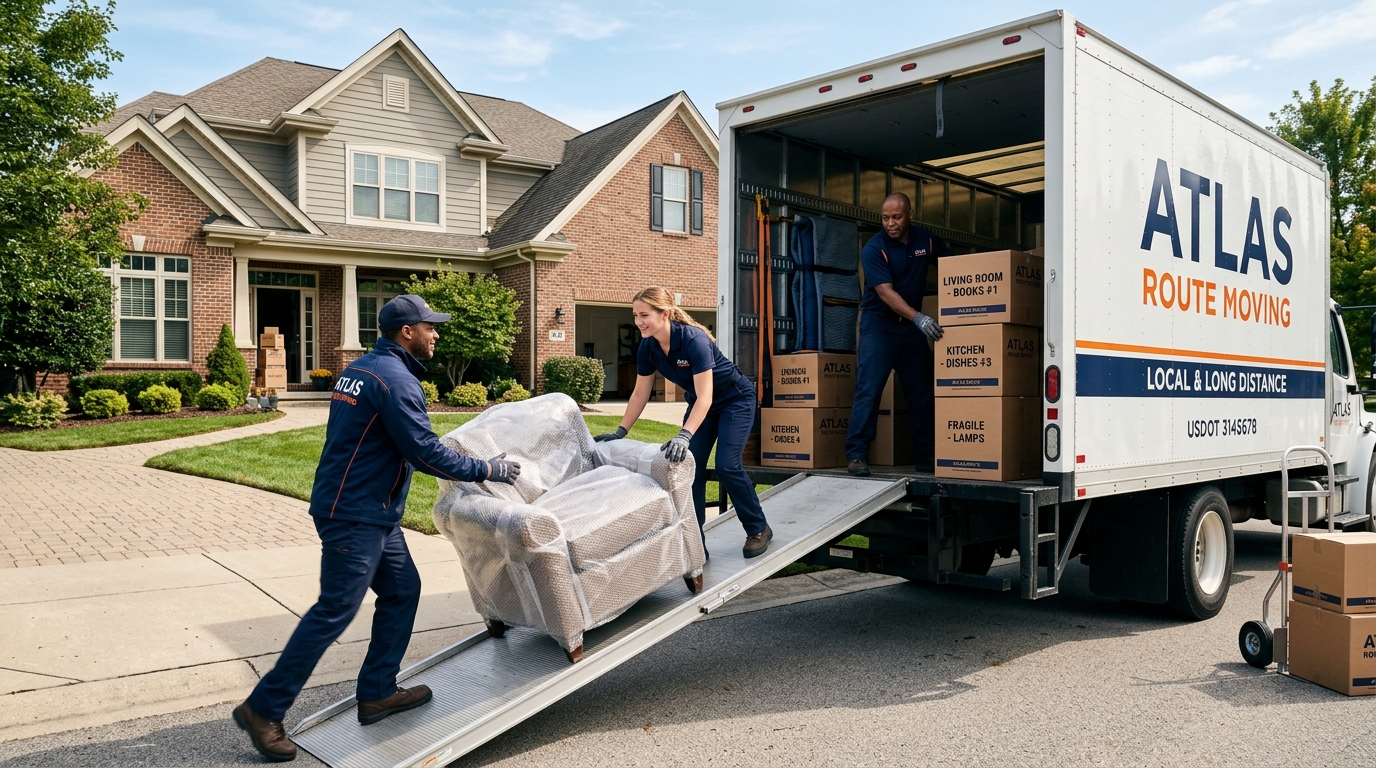
Finding a trustworthy mover should not feel like a gamble, yet every year families and businesses across the United States deal with moving scams, rogue movers, and costly surprises. When a company has your furniture, electronics, and personal documents on their truck, the stakes are high. Picking the wrong mover can lead to inflated bills, hostage loads, missed delivery dates, or even stolen belongings.
Knowing how to avoid moving scams is just as important as packing your boxes correctly. A realistic quote, clear paperwork, correct licensing, and honest communication are what separate reputable moving companies from rogue operators. If you understand the red flags and how to verify a mover before you sign, you can protect your move and your budget.
This guide from Atlas Route Moving walks you step-by-step through spotting warning signs, comparing estimates safely, understanding deposits and contracts, and protecting yourself from moving fraud. You will learn what to watch for in phone calls, emails, and in-home estimates, plus what to do if something feels off before moving day.
Atlas Route Moving provides licensed and insured local and long-distance moving services across the United States. This guide is designed to help you evaluate any mover you are considering, including us, so you can book with confidence and avoid stressful surprises.
Key takeaways
- Legitimate movers provide written estimates based on an actual inventory of your items, not a quick phone guess or extremely low-ball quote.
- Rogue movers often lack a physical address, refuse to share license details, demand large cash deposits, or change their company name frequently.
- Before booking, verify that the company is properly licensed and insured for local or interstate moves, and that the name on all documents matches the company you hired.
- Never sign blank or incomplete documents; review the estimate type, services included, and potential extra fees in writing before moving day.
- Keep valuables, important documents, medications, and irreplaceable items with you instead of on the moving truck.
- Trust your instincts: if a deal or conversation feels wrong, walk away and choose a mover with clear communication and transparent pricing.
- Atlas Route Moving offers licensed, insured moving services with detailed estimates to help protect you from common moving scams.
Why moving scams happen and who they target
Moving is a high-pressure situation. You are juggling lease deadlines, closing dates, work changes, and family schedules. Rogue movers and dishonest brokers take advantage of that stress. They know that when you are overwhelmed, you may skim documents, ignore small red flags, or make decisions too quickly just to get the move booked.
Understanding why moving scams happen can help you slow down and protect yourself.
Why some companies scam customers
- Low entry barrier: It does not take much to rent or buy a truck, create a website, and start taking calls as a «moving company.» Unscrupulous operators use that to quickly set up and shut down under new names.
- Customer urgency: People often book last-minute moves or changes, especially for long-distance relocations, which makes them vulnerable to high-pressure tactics.
- Information gap: Most customers move only a few times in their life and may not know what a professional move should look like, or what a realistic price is.
- Hostage leverage: Once your belongings are on a truck, rogue movers can demand more money, knowing it is difficult and expensive for you to find alternatives quickly.
Who scammers commonly target
- Long-distance and interstate customers: Larger, longer moves usually cost more, so the potential for a big payoff attracts rogue movers.
- Renters and apartment dwellers: Tight timelines with landlords and building rules can pressure renters into accepting whoever is available.
- Seniors and families: Seniors may be less familiar with online research, and families are busy with work and childcare during the move, making it easier to overlook details.
- Price-focused shoppers: People who shop for the lowest quote without asking many questions are prime targets for low-ball estimates that later skyrocket.
Knowing this, one of the best ways to avoid moving scams is to slow the process down just enough to check licensing, compare written estimates, and ask the right questions before you let anyone load your belongings.
Common types of moving scams and fraud
Rogue movers use a few patterns again and again. Once you recognize these patterns, it becomes much easier to protect yourself and your move.
1. Low-ball estimate that explodes later
You receive an extremely low quote compared to other movers. It sounds great, but the company:
- Does not ask many questions about access, stairs, or inventory
- Refuses to put the final price range in writing
- Changes the total dramatically on moving day or at delivery
In some cases, they will load the truck, then claim your inventory is much larger than expected and increase the cost. This is one of the most common moving scams for long-distance moves.
2. Hostage load scam
In a hostage load situation, a rogue mover loads your belongings and then refuses to deliver them unless you pay unexpected, inflated charges. They may claim you added items, the move took longer than expected, or there were surprise fees, none of which were clearly stated in your contract.
Hostage loads are a serious form of moving fraud. Customers often feel trapped because their belongings are already on the truck, and they may be hundreds or thousands of miles from the pickup location.
3. Large cash deposit or full payment up front
Legitimate movers may ask for a reasonable deposit to secure your moving date, especially during busy seasons, but the amount should be clear and justified.
Red flag behavior includes:
- Demanding a very large deposit (for example, 50% or more) before services
- Requiring cash, wire transfer, or peer-to-peer apps only
- Refusing to provide a receipt or contract until after payment
Once a scammer has your money, they can no-show on moving day or change the terms without fear of losing much.
4. No-show mover
In this scam, a company collects a deposit, sends you a basic confirmation, and then simply never arrives on moving day. They may stop responding to calls or offer vague excuses while you scramble to find another mover at the last minute.
5. Broker bait-and-switch
Some companies present themselves as movers but are actually brokers. They sell your move to another company you have never heard of, often at a much lower rate than they charged you. That second company may be underinsured, unprofessional, or even a rogue mover.
Brokers are not automatically bad, but if you did not realize you were talking to a broker or if they refuse to tell you which carrier will handle your move, that is a major warning sign.
6. Weight or volume padding
With weight-based or volume-based long-distance moves, a dishonest mover may:
- Overstate the weight of your shipment
- Use unclear or unverifiable methods for measuring cubic feet
- Refuse to show weight tickets or supporting documents
This can inflate the final cost significantly above the original quote.
7. Repeated name changes and hidden ownership
Some rogue movers close down and reopen under a new name whenever complaints pile up. If a company has a long trail of different names, or uses a generic name on the phone that does not match your paperwork, be cautious.
Major red flags when choosing a moving company
Learning how to avoid moving scams starts with spotting red flags early. If a company shows several of these warning signs, it is safer to walk away and keep looking.
Red flags in ads and websites
- No physical address: The website lists only a phone number or contact form, with no verifiable office or warehouse address.
- No company name in communications: Emails or texts use only a person’s name, not the full legal company name.
- Generic promises and no details: Heavy use of buzzwords like «best movers» and «cheap moving» but little real information about services, coverage, or processes.
- Unclear licensing language: Phrases like «fully licensed and insured» without any details or numbers that you can check yourself.
Red flags during quotes and calls
- No in-home or virtual survey: For anything bigger than a small studio, legitimate movers usually perform an in-home or detailed virtual survey before giving a binding or realistic estimate.
- Very quick price over the phone: A quote is given after a one- or two-minute conversation, with no questions about stairs, distance from truck to door, elevators, or special items.
- Pressure to book immediately: Statements like «This price is only good if you book right now» or «I can only hold your spot for the next 15 minutes».
- Unwillingness to answer questions: The representative becomes vague or defensive when you ask about licenses, insurance, or how disputes are handled.
Red flags in pricing and payments
- Much lower than other quotes: A price that is far below competitors with similar services is a classic sign of a low-ball estimate that may jump later.
- Large deposit in cash only: Requiring a big cash or wire deposit, with no credit card option, makes it harder to dispute charges if there is a problem.
- Unclear about what is included: The estimate does not clearly state what is covered (packing, stairs, long carry, fuel, tolls, etc.), leaving room for extra fees later.
Red flags on paperwork
- Blank or incomplete contracts: You are asked to sign documents with missing prices, dates, or service details.
- Different company names: The name on the truck, the website, and your paperwork do not match, or the company name on the bill of lading is different from the one you thought you hired.
- No copy for you: They refuse to leave a copy of the estimate or contract with you before moving day.
If you notice any of these red flags, step back and review your options. Reputable movers like Atlas Route Moving welcome detailed questions and provide clear, written estimates so you know exactly what to expect.
How to verify licenses, DOT/MC numbers, and insurance
One of the best defenses against rogue movers is verifying that the company is properly licensed and insured for the type of move you need.
Understanding basic moving licenses
- Local/intrastate moves: Moves within the same state are usually regulated by state transportation or consumer protection agencies. Requirements vary by state.
- Interstate moves: Moves that cross state lines are regulated at the federal level. Interstate carriers must have a U.S. Department of Transportation (USDOT) number and usually a Motor Carrier (MC) number.
What to ask the mover for
- Their full legal company name and any «doing business as» (DBA) names
- Their local or state license number if applicable
- Their USDOT and MC numbers if they handle interstate moves
- Proof of liability and cargo insurance
Sample wording to request this information:
«Before we move forward, can you please provide your full legal company name, current address, and your license, USDOT, and MC numbers so I can review them?»
What to compare and confirm
When you receive license and insurance details, make sure that:
- The company name, address, and phone number on the license match what you see on their website and documents.
- The license status is active and not suspended.
- The company is authorized for the type of moving you need (household goods, interstate, etc.).
For interstate movers, customers can also review general guidance from Federal Motor Carrier Safety Administration consumer guidance and the U.S. Department of Transportation moving guidance to better understand their rights and responsibilities.
Licensing and insurance checklist
| Item to verify | What you should see | Red flag signs |
|---|---|---|
| Company name and address | Same on website, estimate, and license records | Multiple names, P.O. box only, frequent name changes |
| License status | Active, authorized for household goods | Suspended, inactive, or no license found |
| Insurance coverage | Liability and cargo coverage in place | Refuses to show proof or gives vague assurances only |
Atlas Route Moving operates as a licensed and insured carrier. When customers ask us for documentation, we are happy to provide clear, up-to-date information so you can verify our credentials before booking.
How to compare moving estimates safely
Comparing estimates is where many customers first encounter moving scams. A price that looks too good to be true almost always is. Understanding how estimates work will help you avoid surprises and protect yourself from rogue movers.
Common types of moving estimates
| Estimate type | What it means | What to watch for |
|---|---|---|
| Non-binding estimate | Price can change based on actual weight or time on moving day. | Can be abused if mover inflates weight or time with little documentation. |
| Binding estimate | Price should not increase as long as inventory and services stay the same. | Make sure all items and services are clearly listed in writing. |
| Binding not-to-exceed | You pay the lower of the estimate or actual cost. | Still need clear documentation of inventory and services. |
For more detail on the difference between binding and non-binding estimates, customers can review the dedicated guide on binding vs non-binding estimates on the Atlas Route Moving blog.
How to read and compare estimates
- Check the inventory list: The estimate should include a detailed item list or space for you to confirm what is being moved. Vague descriptions increase the risk of later disputes.
- Confirm services included: Packing, unpacking, disassembly, reassembly, storage, crating, and special handling should be clearly listed or excluded.
- Look for access charges: Stairs, long carries, elevators, and shuttles may have extra fees. These should be noted in the estimate.
- Ask about fuel and surcharges: Understand whether fuel, tolls, and other surcharges are included or added later.
- Compare like-for-like: When you compare long-distance moving estimates, make sure you are comparing the same services and estimate types.
Cost factor overview
| Cost factor | How it affects price | Tips to control it |
|---|---|---|
| Move size (weight/volume) | More items increase labor, truck space, and fuel costs. | Declutter before estimating; donate or sell items you do not need. |
| Distance and route | Longer distances and remote locations cost more. | Share accurate addresses and any access restrictions. |
| Access and building rules | Stairs, elevators, and tight hallways can slow the crew down. | Tell your mover about stairs, loading docks, and parking rules up front. |
Atlas Route Moving uses detailed inventories and clear pricing for our long-distance moving services, helping our customers compare estimates fairly and avoid the trap of unrealistic low-ball quotes.
Deposits, contracts, and paperwork to review
Scam protection is largely about paperwork. The better you understand your estimate, bill of lading, and service agreement, the harder it is for a dishonest mover to exploit confusion later.
Reasonable deposit practices
Reputable movers may request a modest deposit to confirm your date and allocate resources. A reasonable deposit is typically a small percentage of the estimated cost and is documented on your estimate and confirmation.
Red flags include:
- Demanding a large, non-refundable deposit before any inspection or detailed inventory
- Requiring cash or wire only, with no credit card or clear receipt
- Refusing to send paperwork until after the deposit is paid
Key documents you should receive
- Written estimate: Clearly states whether it is binding, non-binding, or binding not-to-exceed, along with services, dates, and any assumptions.
- Order for service or service agreement: Confirms your move date, origin, destination, and requested services.
- Bill of lading: The official contract for the transport of your goods, which you sign on moving day.
- Inventory list: A detailed list of items and their condition, especially for long-distance moves.
Sample wording before signing:
«Before I sign, can you walk me through each part of the bill of lading and explain how additional charges, if any, would be handled?»
Common contract mistakes and how to avoid them
| Mistake | Why it is risky | How to prevent it |
|---|---|---|
| Signing blank forms | Details and prices can be filled in later without your input. | Only sign completed documents; keep a copy of everything you sign. |
| Ignoring estimate type | You may expect a fixed price but actually have a non-binding estimate. | Ask clearly: «Is this binding or non-binding?» and get it in writing. |
| Not reading fine print | Hidden fees or terms may lead to higher costs or limited claim options. | Set aside time to read and ask questions about anything unclear. |
Atlas Route Moving provides clear paperwork and encourages customers to review all documents before signing. Transparency on deposits and contracts is an important part of preventing moving fraud.
How to prepare before movers arrive to avoid problems
Once you choose a licensed, reputable mover, good preparation still plays an important role in avoiding disputes, delays, or unexpected fees.
Confirm details in advance
- Reconfirm your move date, arrival window, and contact numbers a few days before the move.
- Verify the company name and branding that will be on the trucks and uniforms so you know you are dealing with the right crew.
- Review your inventory and estimate one more time, making any updates if you added or removed items.
Document your belongings
- Take photos or short videos of valuable items and furniture in their current condition.
- Note existing scratches or wear so you and the crew can agree on condition when loading.
- Keep digital copies of photos in case you need them for a claim later.
Preparation checklist
- Set aside items that will not go on the truck (important documents, jewelry, medications).
- Clearly label boxes by room and with basic contents.
- Unplug and defrost refrigerators and freezers following manufacturer guidance.
- Remove loose items from dressers and furniture unless your mover has advised otherwise.
- Reserve elevators and loading docks if required by your building.
- Arrange parking permits or notify neighbors if truck access could be tight.
Careful preparation makes it easier for the crew to work efficiently and reduces the chance of misunderstandings about what is included in your move.
What to keep with you on moving day
To reduce the risk of loss and protect your peace of mind, certain items should travel with you instead of on the moving truck, even when you fully trust your mover.
Essential items to keep in your personal vehicle
- Passports, ID cards, Social Security cards, and birth certificates
- Financial records, checkbooks, and credit cards not in daily use
- Medications and medical devices
- Keys, garage door openers, and access cards
- Important work files, laptops, and small electronics you need immediately
- Jewelry, heirlooms, and items with high sentimental value
- Basic toiletries, a change of clothes, and kids’ essentials
Important documents related to your move
- Copies of your estimate, service agreement, and bill of lading
- Contact information for the moving company and crew chief
- Written notes about any special instructions agreed with the mover
- Photos or videos of furniture and fragile items taken before loading
Keeping these items with you does not mean you do not trust your mover; it is simply one more good practice in your strategy for how to avoid moving scams and minimize any potential damage from loss or delay.
What to do if something goes wrong on moving day
Even with careful planning, misunderstandings and issues can happen. The key is to respond calmly, use your paperwork, and keep communication in writing when possible.
If the mover demands more money than expected
- Ask to see a written breakdown of the additional charges and what part of the agreement they relate to.
- Compare the charges to your original estimate and inventory.
- If the demand is clearly unreasonable or feels like a hostage load situation, document everything: names, times, and what is said.
In serious cases of hostage load or clear moving fraud, you may need to involve law enforcement or appropriate consumer protection agencies. Written contracts, estimates, and photos will support your position.
If the crew that arrives is not the company you hired
- Check the company name on the truck and uniforms.
- Ask the crew leader to show paperwork that links them to the company you booked.
- If you believe your move was handed off to a different company without your consent, call your original mover immediately to clarify before allowing anyone to load your belongings.
If items are damaged or missing
- Note visible damage on the inventory or bill of lading before signing at delivery.
- Take clear photos of damaged items and packing materials.
- Notify the moving company in writing as soon as possible, following the claim instructions in your paperwork.
You can also strengthen your protection before the move by understanding your valuation and insurance options. For a deeper look at coverage choices, see the Atlas Route Moving guide on whether you need moving insurance.
How Atlas Route Moving helps protect your move
Atlas Route Moving is committed to transparent, professional service. While no mover can control every variable in a relocation, we focus on practices that reduce stress, prevent misunderstandings, and help customers avoid moving scams when comparing providers.
Clear communication and written estimates
- We discuss your move in detail, including access, special items, and schedule requirements.
- We provide written estimates that outline services, pricing structure, and assumptions in plain language.
- We encourage you to compare our estimate with others and ask questions about any differences you see.
Licensed and insured moving services
- We operate as a licensed and insured carrier for local and long-distance moves.
- We can provide license and insurance details on request so you can verify our credentials.
- Our crews are trained in careful handling, packing, and safe loading practices.
Support for different move types
Whether you are planning a local apartment move or a cross-country relocation, we can tailor services to your needs:
- Long-distance moving services for interstate and cross-country relocations
- Packing services to professionally pack part or all of your home
- Storage services for short- or longer-term needs between homes
Helpful Atlas Route Moving services
How to get a safe, transparent quote from Atlas Route Moving
- Visit the Atlas Route Moving website to review our moving services and service areas.
- Use the moving cost calculator for a starting estimate based on your move details.
- Contact our team through the request a free moving quote form or phone to discuss your specific needs.
- Review your written estimate carefully, ask questions, and compare it with other licensed movers before you decide.
Our goal is not just to book your move, but to help you feel informed, protected, and confident throughout the process.
Frequently asked questions
How can I quickly tell if a mover might be a scam?
Major warning signs include no physical address, refusal to share license numbers, very low quotes compared with other movers, pressure to pay a large cash deposit, and blank or incomplete contracts. If a company shows several of these red flags, it is safer to walk away.
Are all low prices a sign of moving scams?
Not always. Efficient companies can sometimes offer competitive pricing. However, if one quote is far lower than others for similar services, proceed carefully. Ask for a detailed, written inventory and estimate type, and make sure there are no vague or missing details.
What is a hostage load in moving?
A hostage load occurs when a rogue mover refuses to deliver your belongings unless you pay more than the agreed price, often citing hidden fees or sudden changes. It is a serious form of moving fraud and a clear sign you are dealing with a rogue mover.
Is it safe to pay a deposit to a moving company?
Yes, a reasonable deposit is common, especially for busy dates or long-distance moves. The key is that the deposit amount, refund policy, and payment method are clearly stated in writing. Avoid large, cash-only deposits with no paperwork.
Should I sign a non-binding estimate?
Non-binding estimates can be legitimate, but they allow the final price to change based on actual weight or time. If you accept one, make sure you understand how the final cost will be calculated. Many customers prefer binding or binding not-to-exceed estimates for more price certainty.
How do I check if a mover is properly licensed?
Ask the company for their full legal name, address, state license (if required), and USDOT/MC numbers for interstate moves. Then compare that information to the names and numbers on your estimate and bill of lading to confirm they match.
What should I do if my mover does not show up?
First, attempt to contact the company through all available channels and document your attempts. If they still do not respond, you may need to book another mover quickly and then pursue a refund of your deposit through your payment method’s dispute process, especially if you paid by credit card.
Can packing services help prevent moving damage and disputes?
Yes. Professional packing services can reduce damage risk by using proper materials and techniques, and it is easier to show how items were packed if something does happen. When the mover handles the packing, there is also less confusion about whether damage resulted from poor packing versus handling.
How does Atlas Route Moving help me avoid moving scams?
Atlas Route Moving provides written estimates, clear documentation, and licensed, insured crews. We encourage customers to ask questions, compare quotes, and verify our credentials. Our goal is to provide transparent pricing and dependable service so you can avoid the stress of rogue movers and moving scams.
Sources referenced in this guide
To create this guide on how to avoid moving scams and rogue movers, Atlas Route Moving relied on:
- Federal Motor Carrier Safety Administration consumer guidance on interstate moving
- U.S. Department of Transportation moving guidance and consumer tips
- State transportation and consumer protection agency requirements for household goods carriers
- Standard household goods bills of lading, carrier tariffs, and valuation options
- Typical building management move-in and move-out rules for residential and commercial properties
- Written moving estimates, service agreements, and claims procedures used across the moving industry
These sources help shape best practices for safe, transparent moves, but your specific rights and procedures can vary by state and by your written agreement with the mover.
This guide is general moving information, not legal, insurance, or regulatory advice. Moving requirements, pricing, access rules, and coverage options may vary by location, move type, building rules, and service agreement.
Related moving guides
When you are ready to plan a local or long-distance move, Atlas Route Moving is here to help with clear guidance, detailed estimates, and reliable crews. Review our moving services, explore our Atlas Route Moving blog for more tips on avoiding moving scams, and request a free moving quote to start your move on solid ground.