
Shipping Your Car When You Move: Options and Costs
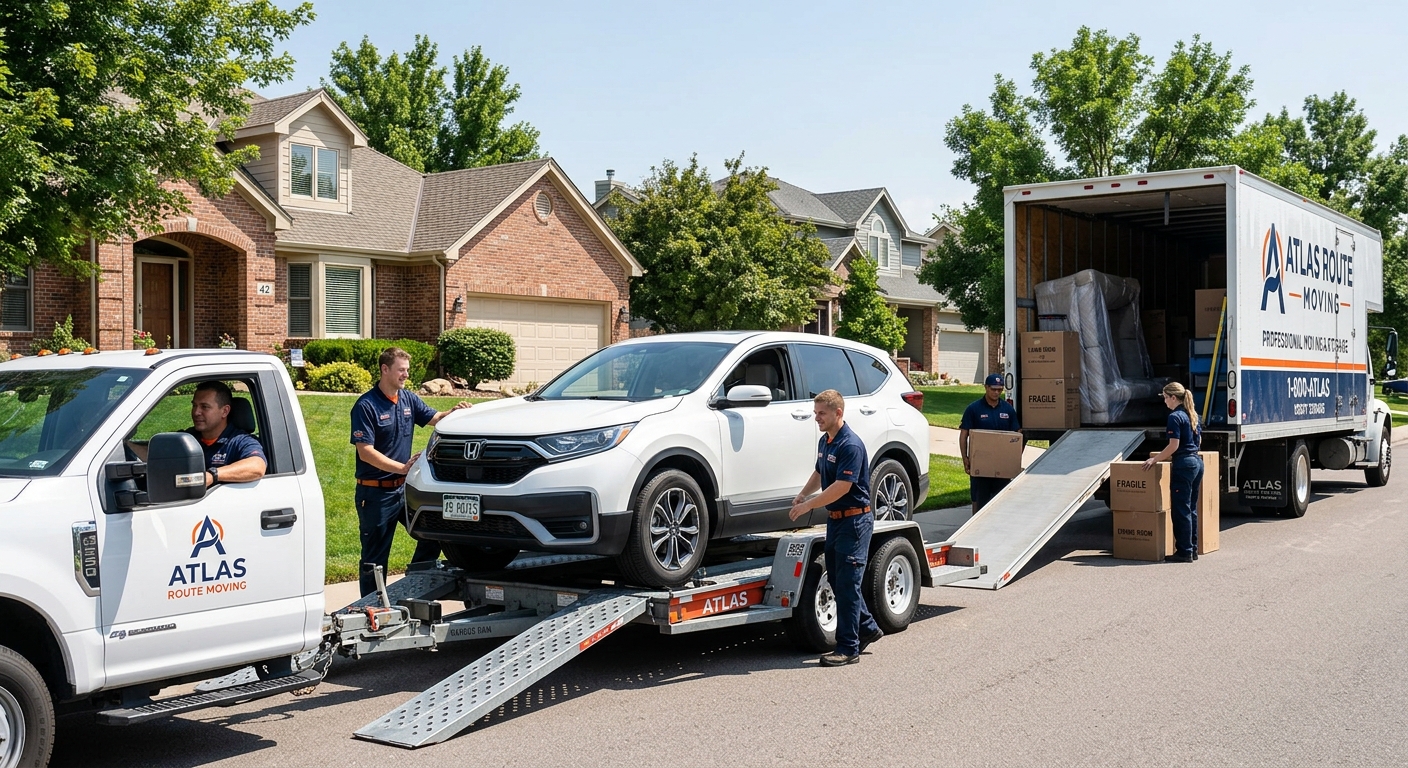
When you are planning a long-distance move, one of the biggest questions is what to do with your car. Driving across multiple states can be tiring, time-consuming, and hard on your vehicle. Shipping your car when moving can free you to fly, ride with family, or focus on managing the household side of the relocation while professionals handle the driving.
At the same time, auto transport can feel confusing if you have never booked it before. There are different types of carriers, price ranges, timelines, and preparation steps. The decisions you make about timing, car condition, access at pickup and delivery, and coordination with your household movers all affect cost and convenience.
This guide walks through everything you need to know about shipping your car when moving, including transport options, realistic cost factors, how to prepare your vehicle, and how to line up delivery with your overall move schedule. It is written to help you make informed decisions and avoid common surprises, whether you are moving one state over or planning to ship a car across country.
Atlas Route Moving provides full-service residential and long-distance moving support and can coordinate closely with your auto transport timeline so your home and vehicle arrive on a schedule that works for you.
Key takeaways
- Shipping your car when moving trades driving time for convenience and can be cost-effective for long distances compared with fuel, hotels, and missed work.
- Open transport is usually the most economical choice, while enclosed transport is best for high-value or low-clearance vehicles.
- Car shipping cost is driven mainly by distance, vehicle size, transport type, season, access conditions, and how flexible you are on pickup and delivery dates.
- Preparing your vehicle properly (cleaning, documenting condition, limiting fuel, and removing personal items) protects you and speeds up inspection.
- Coordinating auto transport dates with your household move and temporary transportation needs avoids gaps where you are without a vehicle.
- Clear pickup and delivery access, realistic expectations about time windows, and good communication with your movers all reduce stress.
- Atlas Route Moving can help you plan the timing of vehicle relocation alongside your long-distance moving services so everything fits one organized schedule.
How car shipping works during a move
At a basic level, auto transport works similarly to household moving. A professional carrier picks up your vehicle, secures it on a specialized truck or trailer, transports it to your new area, and completes delivery with a condition report. When you combine shipping your car when moving with a household move, the two timelines need to be coordinated, but they are usually handled by different specialized trucks.
Typical steps in vehicle relocation
- Request quotes and choose an auto transport option (open or enclosed carrier, terminal-to-terminal or door-to-door).
- Select a pickup window that fits your move schedule and confirm approximate transit time.
- Prepare your vehicle: clean inside and out, remove personal items, document condition, and reduce fuel level.
- Meet the driver for pickup inspection, sign the bill of lading, and hand over keys.
- Track progress and stay reachable for delivery updates.
- Inspect the vehicle carefully at delivery and note any concerns on the delivery paperwork before signing.
For many households, it makes sense to ship a car across country while flying to the destination, especially when moving with children, pets, or on a tight timeline. Others ship one vehicle while driving another, so at least one car is available as soon as they arrive.
Door-to-door vs terminal-to-terminal
Most people arranging auto transport moving during a relocation choose door-to-door service. This means the carrier meets you as close as feasible to your home or building on both ends of the move. In some urban or restricted areas, the driver may suggest a nearby wide street, parking lot, or other safe location where the truck can legally park.
Terminal-to-terminal service means you drop off and pick up your vehicle at designated yards. It can sometimes be less expensive but adds extra time, transportation needs, and coordination. For interstate moves where you are already juggling keys, elevators, pets, and movers, door-to-door service is usually more practical.
Open vs enclosed auto transport
One of the first decisions when shipping your car when moving is whether to use open or enclosed transport. The right choice depends on your vehicle, budget, and comfort level.
Open transport
Open carriers are the multi-level trailers you see most often on highways carrying new and used cars. For most standard vehicles, open transport is the most economical and commonly used option.
- Pros: Lower cost, frequent availability, suitable for the majority of everyday vehicles.
- Cons: Exposed to weather and road debris; vehicle may arrive dustier than when it left.
- Best for: Daily drivers, family vehicles, standard sedans, SUVs, and trucks in typical condition.
Enclosed transport
Enclosed carriers house vehicles inside a covered trailer, protecting them from weather, road grime, and prying eyes. This is usually the premium option and comes at a higher car shipping cost.
- Pros: Maximum protection from elements and debris; often more individualized attention during loading and unloading.
- Cons: Higher price, less capacity per truck, and sometimes longer scheduling lead times.
- Best for: Luxury vehicles, classic cars, exotic cars, custom vehicles, or low-clearance sports cars.
Side-by-side comparison
| Transport type | Typical use | Relative cost |
|---|---|---|
| Open carrier | Standard sedans, SUVs, and trucks | Lowest |
| Enclosed carrier | High-value, classic, or luxury vehicles | Higher |
| Specialty or flatbed | Inoperable or modified vehicles | Varies, often higher |
If you are unsure which option fits your situation, start with open transport quotes and compare them to any enclosed transport quotes you receive. Consider both budget and your comfort level given your vehicle's value and condition.
What affects car shipping cost
Car shipping cost is not one flat rate per mile. Carriers consider multiple factors when calculating the price to ship a car across country or between states. Understanding these factors helps you interpret quotes and decide where you can be flexible.
Major cost drivers
| Cost factor | How it affects price | What you can control |
|---|---|---|
| Distance and route | Longer routes cost more overall but often less per mile. Remote or hard-to-reach areas can be more expensive. | Choose pickup/drop-off points near major routes when possible. |
| Vehicle size and weight | Larger vehicles (SUVs, trucks) typically cost more to ship than compact cars. | Accurately describe your vehicle so quotes are realistic. |
| Transport type | Enclosed transport usually costs more than open transport. | Decide whether open transport is acceptable for your vehicle. |
| Season and demand | Busy seasons (summer, year-end) and popular routes can push prices higher. | Be flexible on dates if possible and book early during peak seasons. |
| Vehicle condition | Inoperable vehicles require special equipment and more labor. | If feasible, make minor repairs so the vehicle can be driven on and off the truck. |
| Pickup and delivery access | Difficult access, low-hanging trees, narrow streets, or special arrangements may add cost or time. | Arrange wide, safe meeting spots if your street is tight or restricted. |
Direct vs. flexible scheduling
Just as with household moving, the more flexibility you have on pickup and delivery dates, the easier it is for carriers to fit your shipment into efficient routes. Tight, fixed windows or rush requests often come at a premium. When you are coordinating auto transport moving with a long-distance household move, start planning as early as possible so you have room to adjust dates.
Sample price ranges for vehicle relocation
Every move is different, but it helps to see ballpark ranges so you can budget when shipping your car when moving. These are example patterns only; your actual quotes will depend on your route and details.
| Route type | Approximate distance | Relative cost range notes |
|---|---|---|
| Short interstate move (neighboring states) | 300–600 miles | Lower total cost, but per-mile price can be a bit higher than very long routes. |
| Regional move (same side of the country) | 700–1,200 miles | Mid-range cost; a common scenario for many relocations. |
| Cross-country move (coast-to-coast) | 2,000+ miles | Higher total cost, but per-mile pricing often more efficient. |
When you request quotes, be sure to specify:
- Exact pickup and delivery ZIP codes or cities
- Year, make, and model of your vehicle
- Whether the vehicle runs, steers, and brakes normally
- Desired transport type (open or enclosed)
- Any time constraints you have around your household move
This helps carriers give you more accurate estimates and reduces the risk of price changes later.
Coordinating vehicle shipping with your move timeline
One of the trickiest parts of shipping your car when moving is timing. You do not want to arrive in your new city with no transportation for several days longer than expected. At the same time, it is common for auto transport delivery windows to span several days, especially for long routes.
Typical transit times
| Distance | Typical transit window | Planning tip |
|---|---|---|
| Up to 600 miles | 1–3 days once loaded on the truck | Schedule pickup near your moving day; consider a backup transportation plan for a day or two. |
| 600–1,500 miles | 3–6 days once loaded on the truck | Allow for a several-day window; plan interim transportation at destination. |
| 1,500+ miles | 5–10+ days once loaded on the truck | Align pickup with your departure date and consider rental or rideshare options on arrival. |
Remember that these windows usually start once the vehicle is loaded onto its long-haul truck. Some shipments require local pickup, transfer, or staging first, especially in less-populated areas.
Planning your schedule
- Working backward from arrival: If you need your car by a certain date, ask carriers what pickup window they recommend and whether that is realistic for your route and season.
- Coordinating with household movers: When you book long-distance moving services, share your proposed auto transport timeline so everyone is planning around the same general dates.
- Considering temporary transportation: Budget for a rental car, rideshare, or public transit during any gap between your arrival and your vehicle's delivery.
- Being reachable: Keep your phone charged and accessible during travel days; auto transport drivers often call in advance of pickup or delivery.
Example: If you are moving 1,500 miles and expect to arrive on a Monday, your carrier might suggest a pickup window the prior Wednesday–Friday, with an estimated delivery between the following Tuesday and Thursday.
How to prepare your car before pickup
Careful preparation protects you and helps the auto transport process go smoothly. Preparing properly also makes it easier to spot any changes in the vehicle's condition at delivery.
Car preparation checklist
- Clean inside and out: A clean car makes inspection easier and helps you see any pre-existing dings or scratches.
- Remove personal items: Most carriers do not allow personal belongings inside the vehicle. Remove loose items, valuables, documents, and electronics.
- Limit fuel level: Aim for about a quarter tank. This is enough for loading and unloading but reduces weight.
- Check for leaks and mechanical issues: Fix known leaks where possible and let the carrier know about any quirks (e.g., faulty door handles, stiff steering).
- Secure or remove accessories: Remove toll tags, detachable roof racks, bike racks, and custom spoilers if advised.
- Document condition: Take clear photos of all sides of the vehicle, close-ups of existing damage, and the interior.
- Prepare keys: Have a complete set of keys ready for the driver, including trunk and any locking wheel nuts.
During pickup, you will typically walk around the vehicle with the driver as they note condition on a form or mobile app. Keep a copy of this report for your records.
Sample wording you can use when speaking with your auto transport company:
«We are shipping our car as part of a long-distance move. The vehicle is a 2019 SUV in running condition. Are there any specific preparation steps or documents you require before pickup?»
Pickup and delivery access: driveways, garages, and high-rises
Vehicle relocation involves large trucks that cannot always access tight streets, garages, or steep driveways. Understanding access limitations ahead of time prevents last-minute scrambles on your moving day.
Common access challenges
- Narrow or dead-end streets: Trucks may not be able to turn around or safely park.
- Low-hanging trees or power lines: These can interfere with tall car carriers.
- Gated communities or HOAs: Some have rules about commercial vehicles or specific time windows for loading.
- Downtown or high-rise buildings: City parking restrictions and loading zones may require meeting the driver nearby.
How to prepare for access issues
- Ask your auto transport company what truck size to expect and whether they anticipate access problems at either location.
- Talk with your property management about any rules for vehicle loading, parking, or gate codes.
- Identify nearby wide streets or open parking lots where it would be safe to meet the carrier if your street is not suitable.
- Coordinate timing so you are free to drive the car to the meeting point and then return home for household moving tasks.
When you are working with Atlas Route Moving on your household relocation, our team can often help you think through driveway space, elevator reservations, and loading sequences so that both the moving truck and car carrier have workable options.
Choosing between auto transport moving options
For many families, the decision is not only whether to ship a car across country but which combination of driving and shipping works best. The right answer depends on your household size, budget, schedule, and comfort with long-distance driving.
Common scenarios
| Scenario | Pros | Considerations |
|---|---|---|
| Ship all vehicles, fly to destination | Fastest, least driving stress, can focus fully on family and move logistics. | Higher upfront cost; may need rental car if delivery is a few days after arrival. |
| Ship one car, drive another | Keeps one vehicle with you at all times, reduces shipping cost for multi-car households. | One driver must make the long trip; plan rest stops, hotels, and fuel. |
| Drive all vehicles | Avoids shipping cost entirely; flexible route and timing. | More wear and tear, fuel, lodging, meals, and missed work days. |
For moves over 1,000–1,500 miles, many people find that the extra time off work, hotel nights, fuel, and stress of driving multiple days start to rival or exceed the cost of shipping your car when moving. Doing the math in advance helps you choose the right balance.
Budgeting beyond the quote
When comparing car shipping cost against driving yourself, account for:
- Fuel and tolls
- Hotel stays and meals on the road
- Time off work or lost billable hours
- Extra miles and wear on your vehicle
- Potential childcare or pet boarding if not traveling with you
Putting these side-by-side with auto transport moving quotes gives you a clearer picture of the true cost of each option.
How to compare car shipping estimates
Not all estimates use the same assumptions. When you are collecting quotes for vehicle relocation, it is important to compare similar services and understand what is included.
Key questions to ask
- Is this quote for open or enclosed transport?
- Is the service door-to-door or terminal-to-terminal?
- What is the estimated pickup window and transit time?
- Is the vehicle required to be operable?
- Are there any surcharges for larger vehicles?
- What coverage is provided if the vehicle is damaged during transit?
- Are there any additional fees that might apply (e.g., storage, access issues, changes in dates)?
Sample wording you can use when reviewing a quote:
«Can you confirm that this estimate is for door-to-door open transport, that my SUV size is accurately accounted for, and that there are no additional fees for pickup at my current address?»
Watching for red flags
- Very low quotes compared to others without clear explanation
- Unwillingness to explain terms, timing, or coverage
- Pressure tactics to book immediately without time to review
- Vague answers about who will actually transport the vehicle
It can also help to coordinate timing and planning through one central move plan. When you work with Atlas Route Moving for your long-distance household move, you can share your chosen auto transport dates with our team so we can factor that into your overall schedule and preparation checklists.
Moving day checklist: what to keep with you
When shipping your car when moving, it is easy to accidentally pack or ship something you need on the road or immediately at your new home. A simple checklist helps prevent last-minute stress.
Items to keep with you (not in the car being shipped)
- Driver's licenses and identification for all drivers
- Vehicle title, registration, and proof of insurance (or copies)
- Auto transport contract and bill of lading
- Household moving paperwork and inventory
- Medications, important documents, and valuables
- Phones, chargers, and power banks
- Basic overnight bag with clothes and toiletries
- Snacks, water, and entertainment for kids
Items to keep in the car you are driving
- Emergency kit (jumper cables, basic tools, flashlight)
- Printed directions or maps as backup
- Spare tire and tire-changing tools
- Car seats or booster seats if traveling with children
If you are flying and shipping all vehicles, plan extra time for airport transportation on both ends of the trip and confirm how you will get from the airport to your new home or temporary lodging.
Common mistakes in car shipping and how to avoid them
Vehicle relocation is straightforward when well planned, but there are frequent pitfalls for people shipping their car for the first time. Being aware of these makes it easier to avoid them.
Mistake vs. better approach
| Common mistake | Why it causes problems | Better approach |
|---|---|---|
| Waiting until the last minute to book auto transport | Limits your options and may increase price or force inconvenient dates. | Start requesting quotes 2–4 weeks (or more) before your move during busy seasons. |
| Leaving personal belongings in the vehicle | Increases risk of damage or loss and can violate carrier policies. | Remove all loose items and valuables before pickup. |
| Not documenting the car's condition before pickup | Makes it difficult to prove whether any new damage occurred during transport. | Take time-stamped photos of all sides, interior, and any existing damage. |
| Ignoring access challenges at pickup or delivery | Can cause delays, extra fees, or last-minute route changes. | Discuss street conditions with the carrier and plan alternative meeting spots if needed. |
Being proactive with scheduling, preparation, and communication goes a long way toward a smoother auto transport moving experience.
How Atlas Route Moving can support your car shipment
While Atlas Route Moving focuses on household and office moves, our team regularly works with customers who are also shipping vehicles during a long-distance relocation. The goal is to keep your move organized so you are not juggling multiple timelines on your own.
Ways we can help coordinate
- Plan your home loading and delivery schedule around your vehicle pickup and drop-off windows.
- Help you think through access for both moving trucks and car carriers at your current and new homes.
- Build a combined household and vehicle timeline so you know when each part of the move is likely to occur.
- Provide packing, loading, and storage solutions while you focus on managing your auto transport arrangements.
Helpful Atlas Route Moving services
If you are planning a move that involves both household goods and auto transport, our long-distance moving services can be tailored to your schedule so you have one central plan to work from.
Frequently asked questions
Is it cheaper to ship my car or drive it during a long-distance move?
It depends on distance, fuel prices, hotels, and time off work. For very long moves, when you add gas, lodging, meals, and wear on your car, shipping can be competitive with or even less expensive than driving yourself, especially if you value reducing stress and time on the road.
How far in advance should I schedule auto transport for my move?
Ideally, request quotes and start booking 2–4 weeks before your move date, and earlier during peak seasons like summer. This gives you better pricing options and more flexibility to coordinate pickup and delivery windows with your household movers.
Can I put personal items in my car when it is being shipped?
Most carriers discourage or prohibit personal belongings in the vehicle. Extra items add weight, may not be covered if lost or damaged, and can violate regulations. Plan to ship or move personal items separately instead of using the vehicle as extra storage.
Do I need to be present when my car is picked up and delivered?
Someone usually needs to be present to sign paperwork, hand over keys, and complete the condition inspection. If you cannot be there, you can typically authorize a trusted representative, such as a family member or friend, in writing.
What should I do if my vehicle arrives with new damage?
Inspect the vehicle carefully at delivery in good lighting. If you notice any damage that was not on the pickup report, note it clearly on the delivery paperwork before signing and take photos. Then follow the claim instructions provided by the carrier or listed in your contract.
How much gas should be in my car before shipping?
Most carriers recommend about a quarter tank of fuel. This is enough to drive the car on and off the truck but keeps weight down, which is safer for transport and can help with cost and logistics.
Can I ship a car that does not run?
In many cases, yes, but you must disclose that the vehicle is inoperable. Shipping a non-running car usually costs more because it requires extra equipment and labor to load and unload. The carrier will need to know whether the vehicle can steer and brake.
How do I coordinate timing if I am also hiring household movers?
Start with your desired move-in date, then work backward with both your household movers and auto transport provider. Share your approximate arrival date, access details, and any flexibility you have. Atlas Route Moving can help you map out a combined schedule so your vehicle and household goods arrive within a manageable timeframe.
Can my car be shipped with items in the trunk only?
Policies vary, but many carriers prefer completely empty vehicles. If items in the trunk are allowed, they are typically limited in weight and are transported at your own risk. Clarify this with the auto transport company before pickup so there are no last-minute surprises.
What documents are needed when shipping my car during a move?
You will usually need a valid ID and basic vehicle information. Some transport companies may request proof of ownership or insurance. Your contract and bill of lading will outline specifics, so keep copies with you rather than in the vehicle.
Sources referenced in this guide
Planning information and best practices in this guide are based on a combination of industry experience and commonly referenced materials, including:
- Federal Motor Carrier Safety Administration consumer guidance on interstate moving and cargo handling
- U.S. Department of Transportation moving and transport safety guidance
- State transportation and consumer protection agency recommendations about vehicle transport
- Standard auto transport carrier tariffs and service agreements
- Written moving estimates, bills of lading, and valuation options for household and vehicle shipments
- Building management move-in and move-out requirements for parking, access, and elevator reservations
These resources, combined with Atlas Route Moving's day-to-day experience supporting customers during interstate and long-distance relocations, inform the recommendations in this article.
Related moving guides
For more planning help on everything from packing to interstate logistics, you can also explore the Atlas Route Moving blog and other detailed moving guides.
When you are ready to plan your full relocation, including timing around auto transport, our team can walk through your route, home size, and schedule. Visit our main moving services page, review our service areas, use the online moving cost calculator, or request a free moving quote to start building a long-distance moving plan that fits your vehicle relocation needs.
This guide is general moving information, not legal, insurance, or regulatory advice. Moving requirements, pricing, access rules, and coverage options may vary by location, move type, building rules, and service agreement.