
Moving With a Baby or Toddler: A Calm, Practical Guide
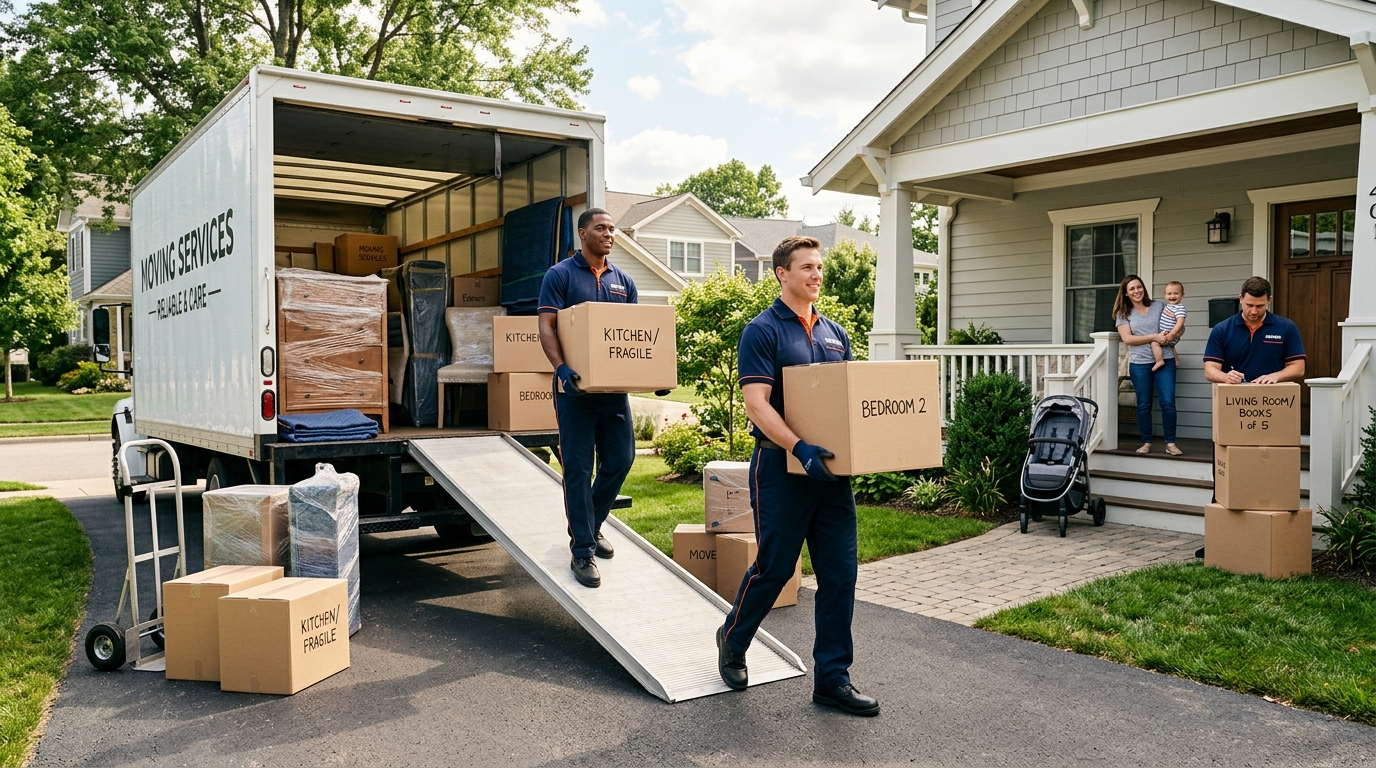
Moving is stressful even in the best circumstances. Add a baby or toddler to the mix, and suddenly every box, nap, and feeding time feels like a puzzle piece you have to fit in just right. You are not just moving furniture and boxes; you are moving a routine, a sleep schedule, and a very small human who depends on you for everything.
With the right plan, moving with a baby or toddler does not have to feel chaotic. A clear timeline, smart packing strategy, safe baby zones, and the right moving help can make the day feel calmer and more predictable. Planning ahead also helps your movers work efficiently so you can get your little one settled faster.
This calm, practical guide from Atlas Route Moving walks you step by step through preparing for a move with a baby, from pre-move planning and packing to moving-day childcare, nursery setup first, and baby proofing your new home. Whether you are planning a local move across town or a long-distance relocation, you will find real-world tips you can actually use.
We will also explain where professional moving services can safely take tasks off your plate, so you can stay focused on what matters most: keeping your child comfortable and secure during a big transition.
Key takeaways
- Plan around your baby’s sleep, feeding, and temperament when choosing move dates, loading times, and travel plans.
- Pack an easily accessible baby essentials bag and a separate family essentials box so you are not digging through cartons the first night.
- Arrange moving-day childcare or a designated caregiver so at least one adult can focus on supervising the movers and logistics.
- Set up and childproof the nursery or sleep space first at the new home to re-establish routines quickly.
- Baby proof key areas (outlets, cords, doors, stairs) before giving your baby or toddler free range in the new space.
- Use licensed, insured movers who understand apartment access, elevators, tight timelines, and family needs.
- Get clear, written estimates and ask specific questions about timing, packing, and handling essential items like cribs and car seats.
Why planning matters when moving with a baby or toddler
Babies and toddlers thrive on predictability. Moving, by definition, is a disruption: different rooms, new sounds, new light, and unfamiliar routines. The more you can plan ahead, the easier it is to keep your child’s day as normal as possible while everything around them changes.
When you are moving with a baby or moving with a toddler, extra planning also protects your time and energy. You may not be able to spend ten hours packing a kitchen in one go when you need to stop for nursing, pumping, bottle washing, or tantrums. A realistic schedule, good communication with your movers, and a smart packing plan help keep the move from overwhelming your family.
Thoughtful planning also matters for safety. During a move, doors are open, heavy items are in motion, and small objects (screws, tools, tape, plastic wrap) are everywhere. By deciding in advance where your child will be, how you will baby proof, and which items must remain accessible, you reduce stress for everyone on moving day.
Family-friendly moving timeline
This sample moving timeline is built for parents moving with a baby or toddler. Adjust the dates to match your schedule, but keep the order and priorities similar.
| Time before move | Main family tasks | Baby-focused priorities |
|---|---|---|
| 6–8 weeks | Book movers, confirm dates, start decluttering. | Check pediatrician records, update contact info, plan childcare on moving day. |
| 4–5 weeks | Gather packing supplies, start packing off-season and rarely used items. | Sort baby clothes and gear by size, donate or store outgrown items. |
| 2–3 weeks | Pack most non-essentials, confirm building rules and elevator reservations if needed. | Plan baby travel nap schedule, identify a safe zone in both homes for your child. |
| 1 week | Finish main packing, label clearly, prepare payment and tipping plans for movers. | Pack baby essentials bag, wash bottles, sterilize and pack backups. |
| Moving day | Meet movers, walk through inventory, supervise loading and unloading. | Keep baby with caregiver, maintain feeding/nap schedule as much as possible. |
| First 2–3 days after | Unpack essentials, kitchen, and main living areas. | Set up nursery, baby proof key rooms, re-establish bedtime routine. |
Use this as a starting point and layer in your real calendar: doctor appointments, work schedules, family help, and building rules at both homes.
How moving costs change when you have a baby
The core factors that affect moving cost do not change just because you are moving with a baby or toddler. Size of the move, distance, access, and services all still matter. But there are a few baby-specific details worth considering when you budget.
Key cost factors to know
| Cost factor | How it affects families with babies | Ways to manage cost |
|---|---|---|
| Move size (number of items) | Extra baby furniture, gear, and toys can add boxes and weight. | Declutter toys and outgrown clothes early; store long-term items if needed using secure storage services. |
| Distance (local vs. long-distance) | Long drives may require overnight stays and extra supplies for your baby. | Use the moving cost calculator to see how distance affects pricing. |
| Packing services | Professional packing reduces disruption and the risk of late-night packing marathons around bedtime. | Ask for a quote that includes full or partial professional packing services for high-stress rooms. |
| Access and timing | Elevators, stairs, and narrow doors can slow the move, especially with bulky nursery furniture. | Share building rules with your movers and reserve elevators or loading zones early. |
| Additional help (childcare, cleaners) | You may hire a sitter or cleaner to keep things manageable on moving day. | Build these services into your budget from the start rather than treating them as last-minute extras. |
For a clear sense of what your move might cost, you can use the Atlas Route Moving moving cost calculator and then request a detailed, written quote that reflects your actual inventory and services.
Pre-move prep when you have a baby or toddler
Good preparation reduces last-minute rush, which is especially important when naps, teething, and toddler moods can derail plans. Think of pre-move prep as a chance to gently transition your family to the idea of a new home.
1. Declutter baby and toddler items first
Young children outgrow clothes, toys, and gear quickly. There is no reason to pay to move items you no longer need.
- Sort clothes by size: keep current and one size up, store or donate outgrown items.
- Review toys: keep favorites and open-ended toys; donate duplicates or broken items.
- Look at large gear: high chairs, swings, bouncers and consider what your baby still uses.
Sample wording when asking a friend to help:
“Could you come over for two hours this Saturday to help me sort baby clothes and toys for the move? I will set aside a pile you are welcome to take for your family too.”
2. Confirm medical and care details
- Make sure you have copies of your baby’s medical records and vaccination history.
- Ask your pediatrician what to keep handy for your child (medications, special items) during a move or long car ride.
- If you are moving out of town, ask for recommendations or guidance on finding a new pediatrician.
3. Talk to building management (apartments and condos)
If you live in or are moving into a multi-unit building, confirm:
- Move-in and move-out hours
- Elevator reservations and rules
- Parking or loading dock access for the moving truck
- Requirements for proof of insurance from your movers
Sharing these details with your movers ahead of time helps them plan the right crew size, truck, and timing so moving with a baby is as efficient as possible.
4. Decide which rooms get priority
When you move with an infant or toddler, the priority rooms usually are:
- Nursery or child’s bedroom
- Primary bedroom
- Bathroom
- Kitchen (for bottles, snacks, and meal prep)
Plan with your movers to bring these boxes and furniture off the truck first, so you can create a calm landing spot for your child quickly.
Packing strategy for families with babies and toddlers
Smart packing is one of the best tools you have for lowering stress when moving with a baby. The goal is simple: keep baby essentials accessible, label clearly, and reduce how many boxes you need to dig through at 10 p.m. in a new home.
Pack by zone, not just by room
Babies and toddlers need items from multiple rooms to stay comfortable: nursery, kitchen, bathroom, and living room. When you pack, think in zones:
- Sleep zone: crib sheets, wearable blankets, white noise machine, baby monitor, favorite lovey (if safe), nightlight.
- Feeding zone: bottles, formula, breast pump, nursing pillow, bibs, baby utensils, sippy cups.
- Bath and diaper zone: diapers, wipes, creams, baby soap, towels, changing pad.
- Play and comfort zone: favorite books, a few toys, soothing items.
Box and label these zones clearly so you can re-create them quickly in the new home.
Create a baby essentials bag (keep this with you)
This is separate from your suitcases and regular essentials box. Pack enough for at least 48 hours in case unpacking takes longer than expected.
- Diapers and wipes (more than you think you will need)
- Changing pad and diaper cream
- Formula or pumped milk plan, bottles, and cleaning supplies
- Baby food, snacks, and feeding supplies
- Two to three changes of clothes, pajamas, and sleep sacks
- Favorite comfort items that are safe for sleep
- Pacifiers and backups
- Baby medications, thermometer, and health essentials recommended by your pediatrician
- Portable white noise machine and blackout shades (if you use them)
Sample reminder note to yourself taped to the front door:
“Before leaving: Do we have the baby bag, stroller, car seat, and monitor?”
Use professional packing help where it matters most
If you are overwhelmed by the idea of packing an entire home while caring for a small child, consider letting professionals handle some or all of the work. Atlas Route Moving offers professional packing services that can pack your kitchen, fragile items, and general household goods while you focus on your child, paperwork, and planning.
Many parents choose a hybrid approach: they pack personal and baby items themselves, and have the pros pack everything else in one efficient day.
Label for clarity and speed
With a baby in the mix, clear labels are more important than ever. Go beyond just “Bedroom” or “Kitchen.”
| Label example | What it tells you quickly | Why it matters with a baby |
|---|---|---|
| “Nursery – Sleep – Open First” | Crib sheets, monitor, sound machine are inside. | Helps you re-create bedtime quickly. |
| “Kitchen – Baby Feeding” | Bottles, pump, bibs, baby dishes are together. | Reduces searching when your baby is hungry. |
| “Bathroom – Baby Care” | Bath items, creams, health items in one place. | Makes first-night baths and diaper changes easier. |
Moving-day childcare and supervision plans
On moving day, doors are constantly opening, heavy furniture is being carried, and people you do not know well will be in and out of your home. It is not a safe place for a crawling baby or fast-moving toddler to explore freely.
Options for moving day childcare
- Trusted family member or friend: Have them take your child to a park, their house, or a quiet room away from the main activity.
- Professional sitter: Hire a sitter to be fully responsible for feeding, play, and naps while you handle logistics.
- Designated parent: If no extra help is available, designate one adult as the “baby parent” whose main job is supervising the child, not the movers.
Sample wording when confirming help with a sitter or relative:
“Moving day will be very busy with open doors and heavy lifting. Could you watch the baby from 8 a.m. to 3 p.m. so we can focus on the movers and logistics?”
Set boundaries and a safe zone
If your child will be on-site during the move:
- Choose a room that movers do not need right away (often a bedroom).
- Set up a portable crib, play yard, or gated area.
- Keep small choking hazards (screws, hardware, tape rolls) out of that space.
- Explain to movers that the room is a child zone and should not be entered without checking with you first.
Professional movers, including Atlas Route Moving crews, are used to working around families and will coordinate with you to keep your child’s safe area undisturbed.
Setting up the nursery first
For families moving with a baby or moving with a toddler, the nursery or child’s bedroom should be one of the first spaces set up in the new home. This gives your child a familiar, calm spot to land in a new environment.
Coordinate with your movers
- Let your moving coordinator know that the crib, dresser, rocker, and nursery boxes are early priorities.
- Ask that nursery furniture be loaded last on the truck so it comes off first.
- Label nursery boxes with “Open First” and point them out during the walk-through at the new home.
Nursery first-night checklist
- Assemble crib or safe sleep space and double-check hardware.
- Put on familiar crib sheets and sleep sacks or blankets appropriate for your child’s age and safety guidelines.
- Set up sound machine, nightlight, and baby monitor.
- Place diapers, wipes, and a small selection of pajamas and clothes within easy reach.
- Keep a small bin of favorite books and toys nearby to make the room feel familiar.
Even if the rest of the house is still in boxes, having the nursery functional reduces stress for both you and your child.
Baby proofing your new home
Baby proofing your new home is not a one-time task; it is an ongoing process as your child grows and gains new skills. Still, you can tackle the most important safety fixes before giving a baby or toddler free access to each room.
Baby proofing priorities in the first 48 hours
| Area | Baby proofing tasks | Why it matters |
|---|---|---|
| Outlets and cords | Install outlet covers; secure loose cords; keep power strips out of reach. | Curious babies love to poke and tug. |
| Furniture and TVs | Anchor dressers, bookcases, and TVs to walls as soon as possible. | Prevents tip-over accidents when toddlers climb. |
| Doors and stairs | Install baby gates; add door knob covers where needed; lock exterior doors. | Controls access to high-risk areas like stairs and outside. |
| Cabinets and drawers | Add latches to cabinets with cleaners, knives, or medicines. | Protects from poisons and sharp objects. |
Walk each room at your child’s height if you can. Look for temptations: dangling cords, wobbly furniture, low shelves, and small objects they could put in their mouth.
Baby proofing new home checklist
- Cover outlets in all rooms your child can access.
- Secure window blind cords and curtain tiebacks out of reach.
- Anchor heavy furniture and TVs before letting toddlers pull out drawers or climb.
- Install baby gates at the top and bottom of stairs, if applicable.
- Lock or latch cabinets with cleaners, medicines, and tools.
- Check that windows have functioning locks.
- Store plastic bags and packing materials in a locked closet.
If you are unsure about specific safety standards, many parents review general child safety guidance from pediatric sources or consumer safety agencies (in plain text form) while tailoring those ideas to their own home layout.
What to keep with you on moving day
When moving with a baby or toddler, anything essential for your child’s comfort and safety should travel with you, not in the moving truck.
Baby and toddler essentials to keep in your vehicle
- Car seat installed according to manufacturer instructions
- Baby essentials bag (diapers, wipes, clothes, food, bottles)
- Favorite comfort items (within safe use guidelines)
- Stroller or baby carrier
- Portable crib or sleep solution if you will arrive before the movers
Family documents and valuables to keep with you
- IDs, passports, and vital records
- Moving paperwork, inventory lists, and written estimates
- Medications for all family members
- Important electronics and chargers
- Work laptops or sensitive documents
Atlas Route Moving crews will carefully load and protect your belongings, but keeping critical baby supplies and documents with you ensures that you are prepared even if the truck is delayed by traffic or weather.
Comparing moving options for families
Not all moves are the same, and not all moving services fit every family. When you are moving with a baby or a toddler, it often makes sense to shift more of the physical work to professionals so you can stay focused on your child.
Local vs. long-distance moving with a baby
| Move type | Family considerations | How Atlas Route Moving can help |
|---|---|---|
| Local move (same city or nearby) | Shorter travel day but often fast-paced. You may move out and in on the same day with your child nearby. | Local moving services that can load, transport, and unload in a single coordinated schedule. |
| Long-distance or interstate move | More travel logistics, potential overnight stays, and longer separation from your belongings. | Long-distance moving services with coordinated pickup and delivery windows. |
Choosing the right service level
- Basic loading and transport: You pack everything; movers load, drive, and unload. Lower cost but more work on your end.
- Partial packing: Movers pack some rooms (often kitchen, fragile items), you pack the rest. A good balance for parents.
- Full-service moving: Movers pack, protect furniture, load, transport, unload, and can even help with basic setup. Best for minimizing disruption to your baby or toddler.
Atlas Route Moving offers flexible options so you can choose the level of support that fits your budget and energy. You can explore our moving services and discuss what combination works for your family.
Helpful Atlas Route Moving services
Key questions to ask movers before booking
When moving with a baby or toddler, you are not just comparing prices. You are choosing a team that will be in your home, handling your child’s crib, and working on a schedule that affects naps and bedtime.
Questions to include when you compare estimates
- Are you licensed and insured, and can you provide proof if my building requires it?
- Do you offer both local and long-distance moving services for families?
- Can you disassemble and reassemble cribs and other large furniture?
- How do you protect furniture and mattresses from dirt and damage?
- Can you work within building time windows, elevator reservations, or quiet hours?
- What is included in the estimate, and what could cause the price to change?
- Do you provide packing services, and if so, how are breakable items handled?
Atlas Route Moving is a licensed and insured moving company with experience helping families relocate. Our crews are trained to carefully protect furniture and belongings, and our coordinators are accustomed to planning around building rules and family schedules.
Common mistakes when moving with a baby (and how to avoid them)
Knowing what often goes wrong during a move with a baby or toddler can help you avoid unnecessary stress. Here are some frequent issues we see and how to prevent them.
| Common mistake | What happens | Better approach |
|---|---|---|
| Packing baby essentials in random boxes | You cannot find diapers, bottles, or pajamas at bedtime in the new home. | Pack a dedicated baby bag and a clearly labeled nursery “Open First” box. |
| Skipping moving-day childcare | You are pulled between supervising movers and chasing a toddler near heavy items. | Arrange childcare or designate one adult as the child supervisor only. |
| Underestimating how long packing takes with a baby | You are up late packing before moving day, exhausted and stressed. | Start early and consider partial or full professional packing services. |
| Not baby proofing before letting kids explore | Toddlers find hazards quickly in an unfamiliar layout. | Baby proof key areas before giving open access. |
How Atlas Route Moving can help your family move
Atlas Route Moving works with families across the United States on local, long-distance, and interstate moves. We understand that moving with a baby or toddler requires patience, flexibility, and clear communication.
Here are some ways we can support your family’s move:
- Local and long-distance support: Whether you are moving across town or across state lines, our local moving services and long-distance moving services are designed to be organized and efficient.
- Professional packing: Our professional packing services can handle time-consuming rooms so you can focus on your child’s well-being and routines.
- Careful handling of nursery furniture: We can disassemble and protect cribs, dressers, and rocking chairs, then place them where you want in the new nursery.
- Flexible planning: We coordinate timing around building rules, elevators, and your preferred schedule to reduce disruption to naps and feedings.
- Storage options: If you need extra time to settle in or are downsizing, our secure storage services can hold non-essentials while you get your baby’s space fully set up.
If you would like to see whether Atlas Route Moving serves your current and future neighborhoods, you can review our service areas or contact our team with your details.
Ready to plan your move?
You can start by using the moving cost calculator to get a rough idea of your moving budget, then get a quote with your specific home size, distance, and service needs. Our coordinators can help you think through timelines, packing options, and special considerations for moving with a baby.
If you prefer to speak with someone directly about your situation, you can also request a free moving quote and one of our team members will follow up to discuss your move.
Related moving guides
Frequently asked questions
When is the best time of day to move with a baby?
If possible, schedule movers to arrive in the morning, after your baby’s first feeding and before the mid-day slump. Morning moves often align better with naps and allow extra time in case loading or unloading takes longer than expected.
How do I keep my baby on a routine during a move?
Prioritize keeping feeding and nap times as close to normal as possible, even if everything else feels different. Use familiar sleep cues (same sound machine, sleep sack, and bedtime routine) in both the old and new homes to help your baby adjust.
Should I move my baby’s crib last or first?
For loading, the crib may go on the truck with other bedroom furniture, but for unloading, ask your movers to bring it into the new home early. Assemble the crib and set up the nursery as one of your first tasks so you have a safe place for your baby to sleep.
Is it better to travel on the same day as the movers?
For local moves, many families travel on the same day and arrive shortly after the movers. For long-distance moves, it may be safer and less stressful to plan your baby’s travel days separately so you do not feel rushed and can stop for feedings and diaper changes.
What should I pack in my baby’s moving bag?
Include at least two days’ worth of diapers, wipes, clothes, pajamas, feeding supplies, comfort items, medications, and basic bathing supplies. Treat the bag as if you were going on an overnight trip where you cannot access your other boxes right away.
How do I handle breastfeeding or pumping on moving day?
Plan private, quiet spaces and build breaks into the schedule. Make sure movers and helpers know you will pause periodically to feed or pump. Keep your pump, accessories, and storage containers in a separate, clearly labeled bag that stays with you.
When should I baby proof the new home?
Start baby proofing key rooms before your baby or toddler has free access, ideally within the first 24–48 hours. Prioritize outlets, cords, furniture anchors, stair gates, and hazardous cabinets. You can refine and expand your baby proofing as you settle in.
Can movers disassemble and reassemble my baby’s crib?
Many professional movers can disassemble and reassemble standard cribs and beds. Confirm this when you book, and mention any unusual or very delicate items. Keep crib hardware and instructions in a clearly labeled bag and box so setup goes smoothly.
How far in advance should I book movers when I have a baby?
Booking at least four to six weeks in advance is often helpful, especially during busy seasons. Early booking gives you more options for move dates and times that fit your baby’s schedule and building rules.
What if my baby or toddler seems unsettled after the move?
It is normal for sleep and behavior to be off for a few days or weeks after a move. Stick to consistent routines, offer extra comfort, and spend time in your child’s room playing and reading together so the new space starts to feel safe and familiar.
Sources referenced in this guide
This guide is based on Atlas Route Moving’s experience helping families relocate, along with widely available consumer and safety information from the following types of sources, which parents may choose to consult separately:
- Federal Motor Carrier Safety Administration consumer guidance on hiring movers and understanding estimates
- U.S. Department of Transportation moving and household goods guidance
- State transportation and consumer protection agency information on moving within a state
- Building management move-in and move-out requirements for apartments and condos
- Written moving estimates, inventories, and bills of lading provided by moving companies
- Child safety and baby proofing recommendations from pediatric and consumer safety organizations
This guide is general moving information, not legal, insurance, or regulatory advice. Moving requirements, pricing, access rules, and coverage options may vary by location, move type, building rules, and service agreement.