
How to Unpack After Moving: A Room-by-Room Plan
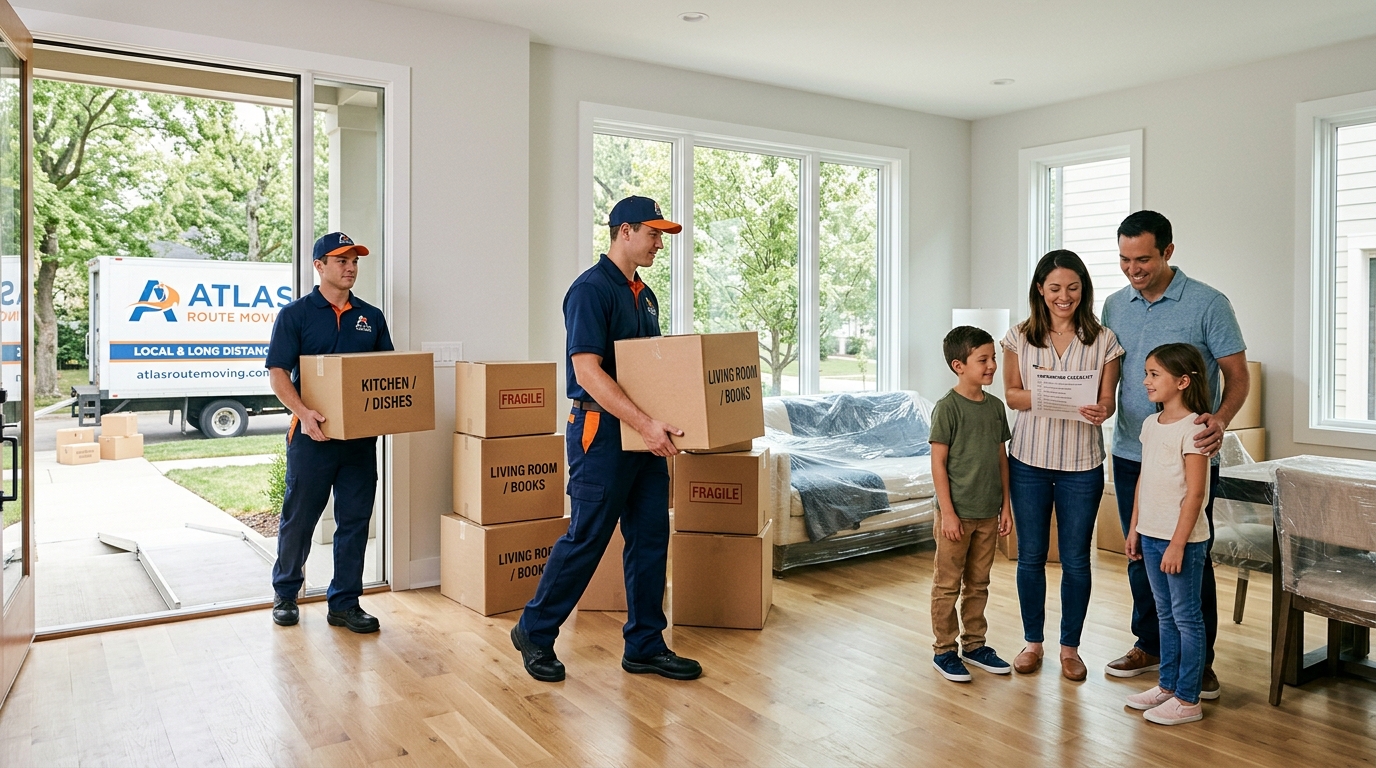
After all the planning, packing, and moving, you are finally standing in your new place surrounded by boxes. This is the moment you have been working toward, but it can also feel overwhelming. Where do you even start? How do you turn a maze of cardboard into a comfortable, functional home without spending weeks living out of boxes?
Knowing exactly how to unpack after moving makes a huge difference. The right unpack order, smart staging, and a realistic room-by-room plan can cut days off your settling-in timeline, reduce stress, and keep important items from getting lost in the shuffle. Instead of opening random boxes and hoping for the best, you can work through a clear checklist and see progress every hour.
This guide walks through a practical system you can use in any home or apartment, whether you moved locally with Atlas Route Moving, completed a long-distance relocation, or handled the drive yourself. You will learn how to prioritize essentials, choose the best unpack order, organize each room, and get rid of empty boxes quickly so your new place feels like home sooner.
We will cover a detailed unpacking checklist, suggested timelines, room-by-room strategies, common mistakes to avoid, and how professional services like packing, storage, and full-service moves from Atlas Route Moving services can simplify everything.
Key takeaways
- Start with safety, beds, and basic toiletries so you can comfortably sleep and function on night one.
- Use a simple unpack order: essentials, bedrooms, bathrooms, kitchen, kids and pets spaces, then living areas and storage.
- Unpack and organize at the same time instead of just emptying boxes; this saves you from redoing work later.
- Keep a written unpacking checklist and work in focused blocks of time to avoid burnout.
- Break down boxes daily and stage packing materials in one spot so clutter does not build up.
- Labeling and color-coding during packing makes the entire unpacking process faster and less stressful.
- Professional packing, storage, and full-service options from Atlas Route Moving can streamline both packing and unpacking.
Why a clear unpacking plan matters
Unpacking often takes longer than people expect. By the time the last box is off the truck, everyone is tired. It is tempting to open boxes at random or leave them stacked “for later.” Without a plan, those stacks may still be there weeks or months from now.
A simple, written approach to how to unpack after moving helps you:
- Use your energy wisely during the first 48 hours.
- Make sure your family has beds, linens, and basic kitchen items ready quickly.
- Avoid losing important items like medications, paperwork, and work devices.
- Reduce tripping hazards and clutter piles that build stress.
- Spot damage or missing items sooner, when it is easier to resolve issues.
Think of unpacking as the second half of your move. Just like you planned your packing and moving day with your movers, your unpacking deserves a basic schedule and priority list.
Suggested unpacking timeline and pace
Every household is different, but having a rough timeline keeps you on track. The table below shows a typical pace for a small family moving into a 2–3 bedroom home or apartment.
| Timeframe | Primary goals | What to focus on |
|---|---|---|
| Move-in day (Day 1) | Safety, essentials, sleep | Essentials box, make beds, basic bathroom setup, snacks/quick meals, pet area |
| First 48 hours (Days 1–2) | Core rooms functional | Bedrooms, main bathroom, everyday kitchen items, work/school basics |
| First week | Daily routines set | Living room, remaining kitchen, kids rooms, home office, laundry |
| Weeks 2–4 | Fine-tuning and decor | Decor, wall art, storage spaces, garage, outdoor areas, decluttering |
You do not have to finish everything in a weekend. Aim to get essentials and core rooms usable first, then tackle the rest in manageable blocks.
How to prepare before you start unpacking
Before you open the first box, spend 30–60 minutes setting up your space. This step makes the entire unpacking process smoother.
1. Walk the home with your floor plan and labels
If you labeled boxes by room when packing (for example, by following the guidance in the How to label moving boxes guide), make sure each room has a clear name that matches box labels: “Kitchen,” “Primary Bedroom,” “Office,” and so on. Move any stray boxes into the correct rooms now.
2. Check basic utilities and safety
Unpacking is much easier when your utilities are active and the home is safe to move around. Make sure:
- Lights are working in each room.
- Water is on and at the right temperature.
- Smoke detectors are present and functional.
- Walkways are mostly clear before you cut open boxes.
For larger moves, it also helps to confirm anything you set up using your utilities to set up when moving checklist.
3. Stage your unpacking tools
Gather tools and keep them in a central, easy-to-reach spot:
- Box cutter or scissors (with safety in mind).
- Trash bags and recycling bags.
- Packing tape (for re-sealing boxes you are not ready to unpack).
- Sticky notes and markers for temporary labels.
- Basic tools: screwdriver, hammer, measuring tape, Allen wrench set.
Sample note to place on your kitchen counter:
“Unpacking station: scissors, markers, trash bags, today’s checklist.”
4. Decide your first-day priorities
Write down the three most important things you want done by tonight. For example:
- All beds assembled and made.
- Main bathroom fully usable.
- Kitchen basics ready for breakfast tomorrow.
Keep this list simple and realistic. You can continue with your full unpacking checklist the next day.
Step 1: Set up essentials first
The first step in how to unpack after moving is always the same: make sure your household can safely eat, sleep, and handle basic hygiene. This is where your “essentials box” and overnight bags come in.
What goes in an essentials box
If you have not moved yet, you can use this as a packing guide. If you just arrived, pull these items aside right away.
| Category | Examples | Why it matters |
|---|---|---|
| Sleep | Sheets, pillows, blankets, pajamas | Allows a full night of rest even if other rooms are not done. |
| Toiletries | Toothbrush, toothpaste, soap, shampoo, toilet paper, towels | Prevents scrambling through boxes for basics. |
| Food & drinks | Snacks, coffee, kettle or coffee maker, a few plates, cups, utensils | Keeps you fueled while you unpack. |
| Medications & documents | Daily meds, IDs, insurance cards, important paperwork | Avoids urgent searches for critical items. |
| Kid & pet items | Favorite toy or blanket, food, bowls, diapers, formula if needed | Helps kids and pets feel secure in the new space. |
Make beds your first major task
As soon as your movers finish placing furniture, set up beds. Even if you do almost nothing else on day one, having a fully made bed to collapse into later is a major win. Lay out:
- Bed frames and hardware.
- Mattresses and protective covers.
- Sheets, pillows, blankets, and any special items kids use to sleep.
Helpful reminder note for yourself:
“No box gets opened until each bed has a mattress, sheets, and pillows.”
Set up one fully stocked bathroom
Next, focus on one bathroom everyone can share the first night:
- Hang or place a shower curtain (if needed).
- Set out soap, shampoo, toothbrushes, toothpaste, and towels.
- Stock toilet paper and a small trash can.
- Place a basic bath mat or towel on the floor to prevent slipping.
Having a functional bathroom from the start reduces stress for the whole household.
Step 2: Room-by-room unpacking plan
Once essentials are handled, it is time to move through your home with a clear room-by-room plan. The order below works well for most households, but you can adjust based on your life and work schedule.
Suggested room-by-room unpack order
| Priority | Room or area | Why unpack now |
|---|---|---|
| 1 | Bedrooms | Restful sleep makes the rest of unpacking easier. |
| 2 | Bathrooms | Hygiene and daily routines depend on working bathrooms. |
| 3 | Kitchen | Cooking at home quickly saves money and time. |
| 4 | Kids rooms & play areas | Gives kids a familiar, settled space while you finish other rooms. |
| 5 | Living room / family room | Creates a central spot to relax and gather. |
| 6 | Home office / work area | Critical if you work from home or have paperwork deadlines. |
| 7 | Laundry, closets, storage, garage | Supports long-term organization and decluttering. |
Bedrooms: creating calm first
After beds are assembled and made, unpack just enough clothing to get through the first week:
- Everyday outfits, sleepwear, and undergarments.
- A few nicer outfits for work or events.
- Season-appropriate outerwear and shoes.
Place boxes labeled «Out of Season» or «Formal Wear» in closets, under beds, or in a storage area to unpack later.
Set up nightstands with lamps, chargers, and any items you need nearby at night. You can handle decorative details (art, accessories) once the rest of the home is functional.
Bathrooms: streamline your routines
Once one bathroom is working, move on to others:
- Assign each family member a shelf, drawer, or caddy.
- Use small bins or trays for everyday items so the countertop stays uncluttered.
- Keep backup supplies (extra toilet paper, toiletries) in a cabinet or linen closet.
This is also a good time to wash new towels or shower curtains if they need it.
Kitchen: unpack fast without losing organization
Your kitchen has many items, but a smart unpack order helps you unpack fast while staying organized. Start with:
- Frequently used plates, bowls, glasses, and mugs.
- Basic cookware: a skillet, saucepan, baking sheet.
- Everyday utensils and cooking tools.
- Coffee maker or kettle and a toaster if you use them daily.
Then move on to pantry items, specialty cookware, and less frequently used gadgets.
As you place items, think in zones: coffee/tea station, prep area with knives and cutting boards, cooking zone near the stove, and everyday dishes near the dishwasher.
Kids rooms and play spaces
For households with children, setting up their rooms early helps them feel safe and reduces clinginess while you unpack. Focus on:
- Bed, bedding, and blackout curtains if they are used to dark rooms.
- A few favorite toys, books, and comfort objects.
- Clothing for the week, organized in drawers or bins kids can reach.
Avoid unpacking every toy at once; you can rotate items in over the next few weeks.
Living room and shared spaces
Next, create one main gathering area:
- Place the couch, chairs, and coffee table where they make sense with your outlets and TV connection.
- Unpack a few decorative items that make the space feel like home (throw pillows, blanket, one or two framed photos).
- Set up your TV and streaming devices if they are part of your relaxation routine.
Do not worry about the final furniture layout yet. You can adjust once you live in the space for a bit.
Home office or work area
If you work from home or expect to handle important paperwork shortly after moving, prioritize a functional workspace:
- Desk, chair, lamp, and power strips.
- Computer, monitor, keyboard, mouse, and chargers.
- Basic office supplies and a file box for key documents.
Once essential work items are in place, you can gradually organize storage, filing systems, and decor.
Storage areas, closets, laundry, and garage
Finally, tackle the spaces that support long-term organization:
- Laundry: unpack detergent, hampers, and basic cleaning supplies.
- Closets: use bins, baskets, or shelf dividers for seasonal or rarely used items.
- Garage or storage room: group items by category (tools, sports gear, holiday decor) rather than just stacking boxes.
These areas are also good candidates for decluttering as you unpack, especially if you used secure storage services and are now deciding what should actually live in your new home.
Practical unpacking checklists
A written unpacking checklist helps you work steadily without feeling like you have to do everything at once. Here are sample checklists you can copy and customize.
First 24 hours unpacking checklist
- Confirm utilities and Wi-Fi are working.
- Walk through the home and move boxes into the correct rooms.
- Locate and unpack essentials box and overnight bags.
- Assemble and make all beds.
- Set up one fully stocked bathroom.
- Unpack basic kitchen items (plates, glasses, utensils, coffee setup).
- Create a safe area for kids and/or pets.
- Break down and stack empty boxes out of walkways.
First week unpacking checklist
- Finish unpacking bedrooms and main bathroom(s).
- Unpack and organize most everyday kitchen items.
- Set up main living room seating and entertainment.
- Unpack work/school essentials and set up a workspace.
- Wash and put away towels, bedding, and everyday linens.
- Organize entryway with shoe storage, hooks, and a drop zone for keys and mail.
- Plan where seasonal and rarely used items will live.
Settling in after moving checklist (2–4 weeks)
Once the basics are handled, focus on settling in after moving so your new home feels complete.
- Hang art, mirrors, and photos.
- Put up curtains and blinds for privacy and comfort.
- Fine-tune kitchen and closet organization.
- Set up outdoor spaces (patio, porch, yard) if applicable.
- Finish unpacking remaining storage boxes and donate what you do not need.
- Walk through your home using a new home settling-in checklist to catch small tasks.
Sample wording you can put at the top of your checklist:
“Focus on progress, not perfection. Aim for two items from this list each evening.”
How to choose the right unpack order
The best unpack order is the one that supports your life in the next few days, not just what seems easiest. Consider:
- Do you have to work or start school immediately?
- Do you have young children who need a nap-friendly bedroom?
- Do you or someone else in the home have medical or accessibility needs?
Use this simple framework to decide your unpack order:
| Question | If yes, prioritize | Notes |
|---|---|---|
| Do you work from home? | Home office right after bedrooms and bathrooms | Set up internet, desk, and devices early. |
| Do you have infants or toddlers? | Nursery/kids room right after main bedroom | Keep sleep routines as consistent as possible. |
| Are you on a tight budget after moving? | Kitchen soon after essentials and beds | Cooking at home helps cut costs quickly. |
| Do you have mobility or medical needs? | Accessible bedroom, bathroom, and medication storage first | Make pathways clear and stable. |
Once you decide your unpack order, write it on a piece of paper and tape it to a central wall or the fridge. This keeps everyone on the same page and makes it easier to ask friends or family for targeted help.
Organizing and decluttering as you unpack
Unpacking is the perfect time to organize your new home. Instead of just emptying boxes into cabinets, use this move as a reset.
Follow the «keep, relocate, donate» method
As you open each box, sort items quickly:
- Keep: Items you use regularly and want to store in that room.
- Relocate: Items that belong in another room or zone.
- Donate or discard: Items that no longer fit your life or space.
Keep a donation box near your unpacking station so you can drop items in without overthinking.
Use containers with a purpose
Before buying new containers, see what you already own: baskets, bins, drawer organizers, and dividers. Use them to create simple systems:
- Kitchen drawers: one for utensils, one for cooking tools, one for gadgets.
- Bathrooms: one bin per person, plus a shared bin for backstock items.
- Entryway: a basket for mail, a tray for keys, hooks for bags and coats.
Well-labeled containers make it easier for everyone in the household to maintain organization.
When to pause and call in help
If you find yourself stuck or overwhelmed, you can always pause and bring in help. Professional packing services from Atlas Route Moving can be tailored to support unpacking and organization as well, especially for larger homes, senior moves, or tight timelines.
Dealing with empty boxes and packing materials
Empty boxes pile up quickly and can make you feel like you are not making progress, even when you are. A plan for box disposal keeps your home safer and clearer.
Set a daily box goal
Instead of trying to clear all boxes in one day, set a realistic daily goal:
- Day 1–2: Break down at least 10–15 boxes per day.
- After Day 2: Break down any boxes as soon as a room is finished.
Stack flattened boxes and packing paper in one designated area such as the garage, hallway, or a corner of the living room. This makes later recycling or reuse easier.
Reuse, recycle, or pass along
Depending on your city and building rules, you may be able to:
- Place flattened boxes with your regular recycling (check local guidelines).
- Offer clean, sturdy boxes to neighbors, friends, or local community groups.
- Save a small number of boxes for future storage or shipping needs.
Always keep walkways clear. If you are in an apartment building, ask management about specific rules for disposing of moving materials.
Common unpacking mistakes and how to avoid them
Knowing the most common unpacking mistakes helps you avoid frustration and rework. Use this table to stay ahead of issues.
| Mistake | What usually happens | How to prevent it |
|---|---|---|
| Opening boxes at random | You lose track of essentials and feel like nothing is finished. | Follow a written unpack order and finish one room or zone at a time. |
| Skipping bed setup | You end up exhausted, sleeping on a mattress without proper bedding. | Make beds your first major task after move-in. |
| Unpacking without decluttering | You pack clutter into cabinets you will have to reorganize later. | Keep a donate box nearby and use a «keep, relocate, donate» approach. |
| Ignoring box disposal | Boxes pile up and create tripping hazards and stress. | Break down boxes daily and keep them in one staging area. |
| Trying to finish in one weekend | You burn out and lose motivation halfway through. | Plan for 1–4 weeks to fully settle in, depending on home size. |
When you know how to unpack after moving in a realistic way, you give yourself permission to pace the work while still making steady progress.
How Atlas Route Moving can make unpacking easier
Unpacking goes faster and smoother when your move-in is organized from the start. Working with a professional, licensed, and insured mover like Atlas Route Moving can set you up for success long before you cut into the first box.
Benefits of professional packing and labeling
With professional packing services, your belongings are packed efficiently and labeled clearly by room and category. That makes your unpack order much easier to follow. For example:
- Boxes labeled «Kitchen – Everyday Dishes» can be opened before «Kitchen – Holiday Serveware.»
- Bedroom boxes can be marked with bed size or person’s name («Primary Bedroom – Linens,» «Sam’s Room – Toys»).
- Fragile items receive extra protection so you can unpack with more confidence.
Atlas Route Moving offers local moving services as well as long-distance moving services, with optional packing and storage support tailored to your move.
Staggered delivery and storage
If you are downsizing or renovating, secure storage services can help. You might choose to:
- Move essentials and everyday items into the new home first.
- Keep seasonal items in storage until you are settled.
- Schedule a later delivery date for rarely used belongings.
This approach can cut your unpacking workload in half during the first few weeks.
Getting a quote and planning ahead
If you are still in the planning stage of your move, taking a few minutes now to understand options and costs can help you design a smoother unpacking experience later. You can review Atlas Route Moving moving services, check your budget with the moving cost calculator, and get a moving quote based on your home size and service level.
Helpful Atlas Route Moving services
Local vs. long-distance unpacking needs
Unpacking challenges look a bit different depending on how far you moved. Here is how Atlas Route Moving can support each type:
| Move type | Typical unpacking challenges | How a professional mover helps |
|---|---|---|
| Local move | Many short trips, temptation to pack quickly and label lightly, overlapping timelines between old and new home. | Structured packing and labeling, single move day, clear unloading by room, help with furniture placement. |
| Long-distance move | Longer transit time, higher stakes for protection and inventory management, tight arrival windows. | Careful inventory, loading and unloading strategy, options for packing, storage, and flexible delivery timing. |
Whether you are unpacking after a local or interstate move, having a reliable partner makes it easier to stick to your room-by-room plan.
Frequently asked questions
How soon should I start unpacking after moving?
Start unpacking your essentials box and making beds immediately on move-in day. Aim to get bedrooms, one bathroom, and basic kitchen items unpacked within the first 24–48 hours, then work through the rest of your unpacking checklist over the next one to four weeks.
What should I unpack first after moving?
Focus on essentials: beds and bedding, medications, toiletries, basic dishes and utensils, and key work or school items. Once you can sleep, wash up, and eat simple meals, move on to bedrooms, bathrooms, and the kitchen according to your chosen unpack order.
How do I avoid feeling overwhelmed while unpacking?
Break unpacking into small, specific tasks instead of trying to “finish the whole house.” Use a room-by-room checklist, set time blocks (for example, 60–90 minutes), focus on one area at a time, and celebrate visible wins like a fully set-up bedroom or bathroom.
How can I unpack fast but still stay organized?
Start with clearly labeled boxes and tackle one zone at a time. As you unpack, sort items into «keep, relocate, donate» categories and place them directly into their long-term homes whenever possible. Avoid dumping items into cabinets just to get boxes empty.
How long does it usually take to fully unpack a home?
For a typical 2–3 bedroom home, many households get core spaces functional within three to seven days and complete the rest, including decor and storage areas, over two to four weeks. Larger homes, busy schedules, or long-distance moves may extend that timeline.
What is the best way to organize a kitchen when unpacking?
Think in zones: keep dishes near the dishwasher, cookware near the stove, spices and oils near the main cooking area, and coffee items in a dedicated beverage station. Unpack everyday items first, then specialty tools and rarely used serveware.
What should I do with moving boxes after unpacking?
Break down empty boxes as you finish each room and stack them in one area. Check your local guidelines for recycling, offer good-quality boxes to friends or neighbors, and keep a small number for future storage or upcoming shipments.
Can movers help with unpacking?
Many moving companies, including Atlas Route Moving, can tailor services to include packing, partial unpacking, or setup support depending on your needs and budget. This can be especially helpful for large homes, senior moves, or tight timelines.
How do I keep track of everything while unpacking?
Use your inventory list or box labels from move-out, and keep a notepad or digital list handy while you unpack. Note any missing or damaged items right away, and keep important documents and valuables in a dedicated, clearly marked spot.
What if I do not have space for everything in my new home?
Use unpacking as a chance to declutter. Decide what truly fits your new lifestyle and space. For items you want to keep but cannot store at home, consider short- or long-term storage options so your living areas do not become overcrowded.
Sources referenced in this guide
General best practices for how to unpack after moving draw on guidance commonly shared by Federal Motor Carrier Safety Administration consumer resources, U.S. Department of Transportation moving guidance, and state transportation or consumer protection agencies.
Many of the unpacking and inventory tips in this guide also reflect standard practices used in written moving estimates, carrier tariffs, valuation documents, and service agreements in the moving industry.
Building management move-in and move-out requirements, especially for apartment buildings and condos, often shape where and when you can stage boxes and dispose of packing materials. Always review your specific building rules before move-in day.
Related moving guides
For additional planning ideas beyond unpacking, you can also browse the Atlas Route Moving blog for more checklists, timelines, and practical moving tips.
This guide is general moving information, not legal, insurance, or regulatory advice. Moving requirements, pricing, access rules, and coverage options may vary by location, move type, building rules, and service agreement.
If you are preparing for an upcoming move and want an organized unpacking experience from the start, Atlas Route Moving can help you plan packing, transport, and delivery around your timeline. Explore our service areas, review available moving services, or request a free moving quote to discuss options for your local or long-distance move.