
How to Move Long-Distance on a Budget
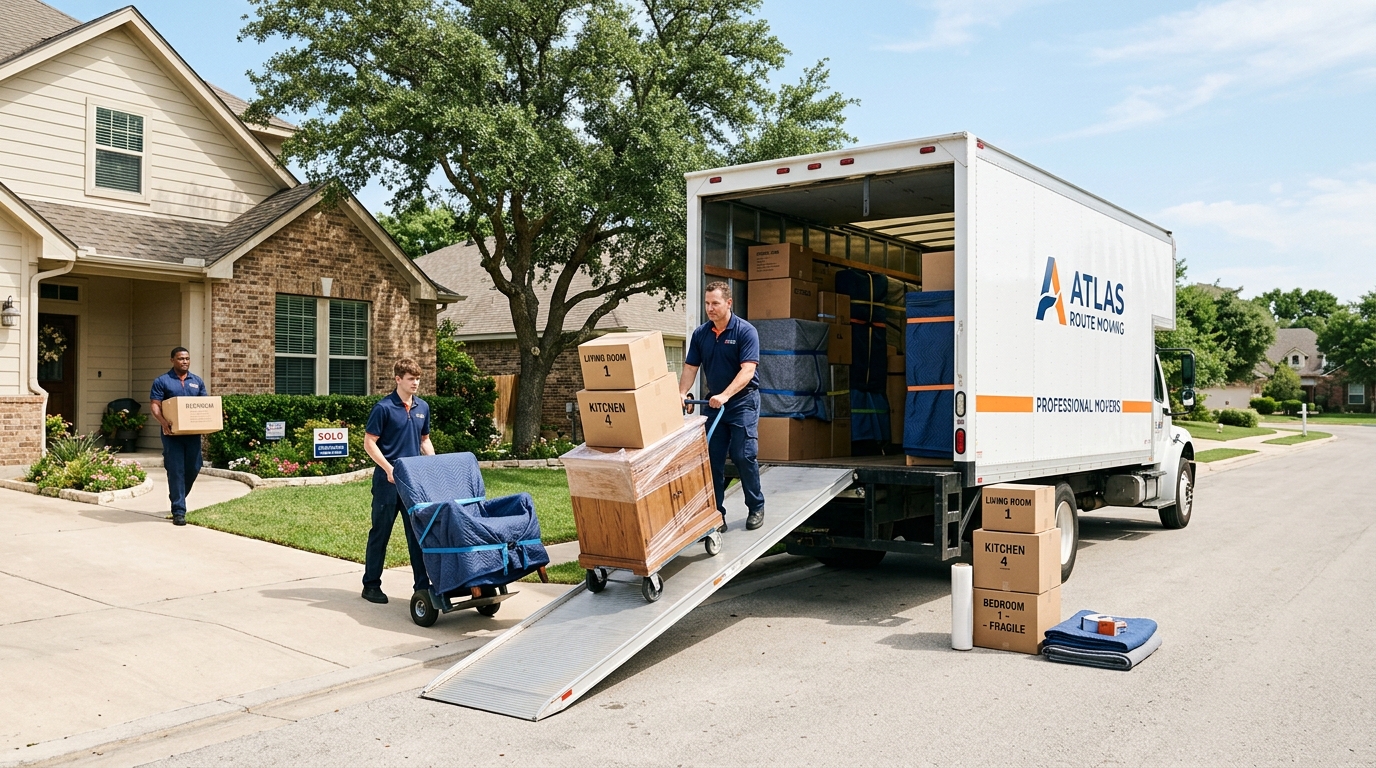
Moving long distance is a big step for your life and your budget. Whether you are crossing one state line or moving coast to coast, the costs can add up fast if you do not plan carefully. The good news is that moving long distance on a budget is absolutely possible when you understand what drives price, where you can save, and when professional help actually protects your wallet.
This guide walks through practical, real-world strategies to keep your interstate or cross-country move affordable. You will learn how to cut the weight of your shipment, use flexible dates and consolidation options, handle smart DIY packing, compare quotes accurately, and decide where Atlas Route Moving can help you save money instead of just spending it.
Instead of generic tips, you will find step-by-step checklists, example timelines, and simple tools to make decisions. By the end, you will have a realistic action plan for a cheap long distance move without sacrificing safety or your sanity.
Use this guide as a roadmap before you book your movers so you can line up your dates, budget, packing plan, and expectations well in advance.
Key takeaways
- Most long-distance moving costs are driven by shipment weight, distance, access issues, and service level, so focus savings where they matter most.
- Decluttering early, selling heavy items, and avoiding duplicate furniture can reduce your load enough to noticeably lower the price of an interstate move.
- Flexible move dates and consolidation options can make a cheap long distance move more realistic than insisting on peak-season weekends.
- DIY packing saves money only if you use sturdy materials, label clearly, and avoid damage; some fragile or high-value items still benefit from pro packing.
- Always compare written estimates side by side, paying close attention to what is included, access fees, valuation options, and potential extra charges.
- Preparing your home before movers arrive—parking, elevator reservations, disassembly, and clear pathways—helps keep your hourly or access costs under control.
- A reliable mover like Atlas Route Moving can explain tradeoffs, suggest cost-saving options, and tailor long-distance moving services to your real budget.
What really drives long-distance moving costs
To keep an affordable cross country move on track, you need to understand what movers look at when building a quote. Long-distance pricing is not random; it is based on a handful of major factors you can often influence.
Core cost factors for interstate and cross-country moves
| Cost factor | How it affects your budget | What you can do |
|---|---|---|
| Total shipment weight | Heavier shipments cost more in labor, fuel, and truck space. | Declutter, sell or donate heavy items, avoid moving low-value bulky furniture. |
| Distance between homes | Longer mileage directly increases transportation cost. | You cannot change distance, but you can adjust timing and services to offset cost. |
| Access and difficulty at each address | Long carries, stairs, and tight access can add fees or extra labor time. | Reserve parking, elevators, and clear pathways to speed up loading and delivery. |
| Time of year and day of week | Summer, month-end, and weekends are typically more expensive and busier. | Choose off-peak dates and mid-week load days when possible. |
| Service level (packing, storage, assembly) | More services add convenience but increase your total price. | Mix DIY and professional services to fit your budget and abilities. |
When you are focused on moving long distance on a budget, nearly every money-saving tactic will touch one of these categories. If a tip does not reduce weight, time, complexity, or risk, it is less likely to make a real difference.
Why “cheapest” is not always cheapest
It is natural to chase a cheap long distance move, but extremely low quotes can sometimes lead to higher final bills or damaged items. Underestimated weights, unclear access charges, or unplanned packing services can all make a too-good-to-be-true bid far more expensive in the end.
Instead of simply picking the lowest initial estimate, aim for the best overall value: a realistic price, clear terms, and a licensed, insured mover that explains how to save safely.
Declutter aggressively to cut shipment weight
When you pay by weight and distance, everything you put on the truck has a price tag attached. One of the most powerful ways to save on an interstate move is to reduce how much you ship.
Start with a clear decluttering plan
Begin at least 6–8 weeks before your move so you are not forced to keep items just because you ran out of time to sort them. Work room by room with a realistic approach.
- Start with easy spaces: linen closets, bathroom cabinets, pantry, old paperwork.
- Move to medium-difficulty areas: guest rooms, kids’ rooms, decor, hobby supplies.
- Finish with big decisions: furniture, appliances, garage items, bulky decor.
Use four categories as you go:
- Keep
- Sell
- Donate / give away
- Recycle / trash
High-impact items to consider not moving
| Item type | Why it adds cost | Budget-friendly option |
|---|---|---|
| Old or oversized sofas and sectionals | Heavy, bulky, may not fit well in new space. | Sell locally and buy a better-fitting sofa at your destination. |
| Pressboard bookshelves and desks | Prone to damage, heavy for their value. | Donate or sell; replace with inexpensive options later if needed. |
| Extra mattresses or guest beds | Bulky and costly to transport long distance. | Keep only mattresses you use regularly; replace the rest later. |
| Old exercise equipment | Very heavy, often underused, hard to move safely. | Sell to recoup cash and consider a gym membership after you move. |
| Bulk pantry items and liquids | Heavy for low value, sometimes restricted for transport. | Use them up before you go; restock near your new home. |
Think of every heavy item as a small “subscription fee” for your move. If you would not pay that fee specifically to take the item with you, it may not be worth shipping.
Using sales and donations to fund your move
Decluttering can actually generate cash to offset moving costs:
- Sell higher-value items (furniture, electronics, tools) through garage sales or local buy/sell groups.
- Donate gently used items to charities; while you should check with a tax professional, donations may have tax benefits in some situations.
- Gift sentimental but heavy items (like large furniture) to family members who live closer to you now.
“We realized our old sectional would cost more to move than it was worth, so we sold it for $300 and put that money toward our long-distance moving quote.”
Use flexible dates and consolidation to save
One of the most underused strategies for moving long distance on a budget is flexibility. The more options your mover has to route your shipment efficiently, the more room there is for savings.
Understanding peak vs. off-peak timing
In the U.S., demand for long-distance moving services tends to spike during:
- Summer months (roughly May through early September)
- End of each month
- Weekends and holiday periods
Scheduling your move outside those windows – for example, a mid-week load in October or February – can often result in a more affordable cross country move. While every market is different, being flexible with your dates makes it easier for a mover like Atlas Route Moving to offer competitive options.
How consolidation can reduce costs
For some long-distance moves, your shipment may share truck space with other customers heading in the same general direction. This is sometimes called consolidation, shared loads, or groupage. By filling a truck efficiently, the carrier can spread transportation costs across multiple customers.
This can be a powerful way to save on an interstate move, especially if:
- Your shipment is mid-size or smaller.
- You have some flexibility on delivery dates.
- You do not require a dedicated truck exclusively for your items.
However, consolidation is not right for everyone. If you are on a tight, non-flexible schedule, or have an unusually large shipment, you may be better served by a dedicated truck.
Example: flexible vs. fixed move scenario
| Scenario | Constraints | Budget impact |
|---|---|---|
| Fixed peak-date move | Must move last weekend in June, tight delivery window, requires Saturday. | Likely higher rate due to demand and tighter scheduling. |
| Flexible off-peak move with consolidation | Available any weekday in mid-May; willing to accept a delivery spread of several days. | Often more affordable because the mover can combine shipments and route efficiently. |
When you speak with Atlas Route Moving about long-distance moving services, ask whether flexible dates or consolidation options might help lower your specific quote.
DIY packing vs. full-service packing on a budget
Packing is one of the biggest areas where you can trade time for money. Doing more yourself can significantly reduce your moving bill, but only if it is done safely and efficiently.
Pros and cons of DIY packing
| Approach | Advantages for your budget | Risks to watch for |
|---|---|---|
| DIY packing (you pack everything) | Lower packing labor cost; you can spread packing over several weeks. | If packing is weak, items can be damaged; rushed last-minute packing can be stressful. |
| Partial packing (split tasks with pros) | You pack easy items; pros pack fragile or high-value pieces, balancing cost and safety. | Requires planning which items you will pack vs. the crew. |
| Full-service packing (pros pack everything) | Fast and efficient; best protection for fragile and complex items; saves you time. | Higher upfront cost; less opportunity for DIY savings. |
When DIY packing makes sense
DIY packing is a strong choice when:
- Your primary goal is budget long distance moving.
- You can start at least 4–6 weeks before the move.
- You are comfortable lifting lighter boxes and following packing instructions.
- You invest in decent materials: sturdy boxes, packing paper, bubble wrap, and tape.
Focus your DIY efforts on:
- Clothing, linens, and towels
- Books and office supplies
- Kitchen items that are not fragile (pots, pans, plasticware)
- Toys and non-breakable decor
When partial packing is the smarter “budget” choice
For some households, trying to pack fragile items themselves leads to breakage and stress that actually cost more than professional help. Partial packing via professional packing services is often a better balance. You pack everyday items, while pros handle:
- China, glassware, and stemware
- Artwork and mirrors
- Electronics and TVs
- Large lamps, sculptures, and specialty decor
“We packed everything except our kitchen glassware and artwork. Letting the movers pack those sensitive items felt like cheap insurance for our long-distance move.”
Buying or sourcing affordable packing materials
To keep your packing budget in check:
- Ask your moving consultant what sizes and types of boxes they recommend.
- Use sturdy, similar-sized boxes so they stack safely on the truck.
- Supplement with free or low-cost boxes where appropriate, but avoid weak, damaged, or mismatched boxes for heavy or fragile items.
- Use towels and linens to cushion lightweight, non-fragile belongings to reduce the need for bubble wrap.
Budget planning timeline for a long-distance move
Moving long distance on a budget is easier when you spread the work over several weeks. This simple timeline shows how to pace your decisions so you are not forced into expensive, last-minute choices.
| Time before move | Key budget actions | Why it saves money |
|---|---|---|
| 8–10 weeks out | Set realistic budget, start decluttering, research long-distance movers. | More time to compare quotes and reduce shipment weight. |
| 6–8 weeks out | Request written estimates, confirm building rules, plan flexible dates if possible. | Avoid premium rush pricing and surprise building fees. |
| 4–6 weeks out | Book your mover, buy packing materials, begin packing non-essentials. | Gives you time to pack yourself instead of paying for emergency packing. |
| 2–3 weeks out | Finish most packing, confirm elevator/parking, finalize inventory with mover. | Reduces overtime, delays, and last-minute add-ons. |
| Moving week | Pack essentials bag, disconnect appliances, do final walkthrough. | Avoid emergency purchases and scrambling on moving day. |
Even if your timeline is shorter, doing as many of these steps as possible in order will still help you save on your interstate move.
How to compare long-distance moving estimates
Comparing long-distance moving estimates is not just about the bottom-line number. To make sure you are truly choosing the most affordable cross country move for your situation, you need to read the details carefully.
What a clear estimate should include
- Pickup and delivery locations and approximate mileage
- Estimated weight or detailed inventory list
- Services included (loading, unloading, basic furniture protection)
- Packing services (if any) and materials included
- Access details and any known extra charges (stairs, long carry, shuttles)
- Valuation coverage options and their cost
- Payment terms, deposit rules, and accepted payment methods
If something is not written on your estimate, ask your mover to clarify it in writing before you agree.
Side-by-side comparison checklist
When you have multiple quotes, use this simple checklist to compare them side by side:
- Are all movers estimating the same or similar weight or inventory?
- Are move dates, delivery windows, and flexibility similar?
- Is packing handled the same way on each quote (DIY vs. partial vs. full)?
- Are access challenges (stairs, parking, elevator) clearly described?
- What valuation or protection level does each mover include?
- Are there any “open-ended” charges that are not capped or estimated?
If one quote is significantly lower than the others, politely ask how they arrived at that number. Sometimes it reflects a leaner service level; other times it may underestimate your shipment, which can lead to higher final charges.
“Your estimate is about 25% lower than the others. Can you walk me through how you calculated the weight and what is included so I can compare fairly?”
Binding vs. non-binding estimates
Different estimate types may be available, each with pros and cons for someone focused on moving long distance on a budget:
- Non-binding estimate: An educated estimate based on the items and details provided; final cost can change if weight or services change.
- Binding estimate: A set price for the described services and items; if your actual load is lighter, you may pay the same, but it gives more predictability.
- Binding-not-to-exceed estimate: Often considered budget friendly; if the shipment ends up lighter, you may pay less, but if it is heavier you do not pay more than the agreed ceiling for the described services.
Ask your mover which estimate options they offer and how each one works. Written estimates and bills of lading are important documents for any interstate move; Federal Motor Carrier Safety Administration consumer guidance emphasizes reviewing them carefully.
Choosing the right services when money is tight
There is no single “right” package for an affordable cross country move. The best combination depends on your budget, timeline, physical ability, and what you are comfortable handling yourself.
Questions to help decide your service mix
- How much time can you realistically devote to packing and preparation?
- Do you have friends or family who can safely help with some tasks?
- Do you have physical limitations that make heavy lifting unsafe?
- Is your new home ready right away, or will you need storage?
- How important is a very tight delivery window vs. saving money with flexibility?
Examples of budget-conscious service combinations
Here are practical ways to mix services for budget long distance moving:
- DIY-focused budget move: You handle most decluttering, packing, and simple disassembly; movers handle loading, transport, and unloading.
- Hybrid budget move: You pack non-fragile items and disassemble beds; movers pack fragile items and handle full loading/unloading.
- Convenience-priority move on a budget: You focus on high-value tasks (work, family) and use more packing help, but compensate by decluttering more aggressively and choosing flexible dates.
Atlas Route Moving can tailor long-distance moving services to match your priorities instead of forcing you into a one-size-fits-all package.
Helpful Atlas Route Moving services
How to prepare before movers arrive
Good preparation keeps your move organized and helps control costs. When a crew can work efficiently, you benefit from fewer hours on site and a smoother experience.
Home preparation checklist
- Reserve elevator time and loading dock access, if required by your building.
- Secure parking for the truck or confirm where it can legally park.
- Clear pathways from each room to the exit; remove trip hazards.
- Disassemble simple items you are comfortable handling (like basic bed frames), if agreed with your mover.
- Unplug and defrost refrigerators and freezers 24 hours before loading.
- Drain fuel from lawn equipment and make sure prohibited items are set aside (flammables, some chemicals).
- Finish most of your packing before move day, unless you have scheduled professional packing.
Labeling and inventory tips
Clear labeling saves time at both your origin and destination:
- Label each box with the destination room and a brief description (e.g., “Kitchen – pots and pans”).
- Use a simple numbering system (Box 1, Box 2, etc.) so you can track items as they are loaded and unloaded.
- Mark boxes “FRAGILE” on multiple sides and on the top if they contain breakables.
Keeping a basic inventory can also help if you need to reference your shipment later.
Communication on moving day
Plan to be present or have a trusted adult on-site during loading and delivery. Walk through the home with the crew leader at the start, highlighting:
- Items that should not go on the truck.
- Fragile or high-value pieces needing extra attention.
- Any access constraints (low ceilings, narrow stairways).
“This dresser is fragile, and we’d like it wrapped carefully. These three boxes are staying with us and should not be loaded.”
What to keep with you on moving day
Even with full-service movers, there are some items you should transport yourself. This keeps them safe, avoids restrictions, and prevents urgent purchases at your destination.
Essential personal items
- Wallet, IDs, passports, and important documents
- Medications and basic first-aid supplies
- Valuables such as jewelry, small electronics, and irreplaceable keepsakes
- Keys, garage openers, and building access cards
- Essential work items (laptop, chargers, files)
First-night “open-first” box
Pack a clearly labeled box or suitcase that stays with you containing first-night essentials for your new home:
- Change of clothes for each family member
- Basic toiletries and towels
- Simple kitchen items (disposable plates, cups, utensils, small pan)
- Snacks and bottled water
- Phone chargers and a power strip
- Pet food, leashes, and supplies if applicable
Having these items with you helps you avoid last-minute shopping trips after a long travel day.
Common budget mistakes and how to avoid them
Many people trying to organize a cheap long distance move end up paying more than expected because of avoidable mistakes. Knowing them in advance gives you an edge.
Top budget mistakes
| Mistake | What happens | Better approach |
|---|---|---|
| Waiting too long to book | Fewer date options and potentially higher prices for remaining availability. | Start quotes 6–8 weeks ahead when possible and book once you choose. |
| Underestimating what you own | Actual weight or volume exceeds the estimate, increasing final cost. | Provide accurate inventories, photos, or virtual walk-throughs for quotes. |
| Assuming friends can do everything | Injuries, damaged items, rental truck issues, and schedule slips may occur. | Use friends for light tasks; rely on pros for heavy, complex work when needed. |
| Ignoring building rules | Fines, delays, or extra fees if movers must return another day or wait for access. | Check move-in/move-out regulations, COI requirements, and allowed times early. |
| Choosing solely by lowest price | Risk of incomplete services, surprise fees, or poor handling of belongings. | Compare value, reputation, and clarity of terms alongside price. |
Taking a little extra time to avoid these mistakes can save both money and stress throughout your move.
How Atlas Route Moving can help with budget moves
Atlas Route Moving focuses on practical, transparent long-distance moving support so you can make informed choices that fit your budget. Instead of forcing a single approach, we help you design a plan that reflects your real priorities.
Ways we support moving long distance on a budget
- Thoughtful planning: Our team discusses your inventory, timeline, and building access so your estimate reflects your actual move as closely as possible.
- Flexible service combinations: You can pair long-distance moving services with partial packing, storage, or DIY options to control costs.
- Clear communication: We explain which services are optional, which are recommended, and where you can safely save.
- Licensed and insured moving: Having professionals manage the complex parts of your interstate move helps reduce the risk of costly problems.
If you are exploring options for an affordable cross country move, you can review our long-distance moving services and speak with a moving consultant about ways to stay within your budget.
Next steps
- Estimate your shipment size and declutter to reduce weight.
- Outline your ideal dates and note any flexibility.
- Decide what you want to pack yourself and where you want help.
- Collect your building rules, elevator restrictions, and any access details.
Then, reach out to Atlas Route Moving with this information so we can provide a tailored quote and help you compare options.
Related moving guides
Frequently asked questions
How far in advance should I book a long-distance move on a budget?
For the best balance of price and availability, many people find 6–8 weeks before their preferred move date works well. During peak summer season, earlier is better. Booking sooner gives you more date options and time to declutter, pack, and compare estimates.
Is it cheaper to move long distance with a rental truck or professional movers?
Rental trucks can look cheaper at first, but you should also factor in fuel, tolls, lodging, equipment, lost work time, and the risk of damage or injury. For some households, especially larger ones, professional long-distance moving services can be competitive and far less stressful.
What is the single best way to save money on an interstate move?
Reducing how much you ship is often the biggest money saver. Decluttering and choosing not to move low-value, heavy items can significantly lower your shipment weight and therefore the cost of your move.
Does moving in the winter really cost less?
In many markets, moving outside peak summer months can be more affordable and offer more flexible scheduling. That said, winter weather can affect timing in some regions. Discuss your dates and route with your mover to find a good balance.
Should I let movers pack my fragile items if I am on a tight budget?
For many people, having professionals pack fragile or high-value pieces while you pack everything else is a smart compromise. It reduces the risk of expensive breakage while keeping your overall packing cost lower than full-service packing.
How can I avoid unexpected charges on my long-distance move?
Provide accurate information about your inventory, access (stairs, elevators, parking), and packing plans when requesting estimates. Ask for all potential extra fees to be explained in writing and review your paperwork carefully before signing.
Can I store my items temporarily during a budget long-distance move?
Yes. Secure storage can help if your new home is not ready on your move-out date. While storage adds a separate cost, coordinating storage through one moving company can be more efficient and may reduce handling compared with multiple providers.
What should I ask a mover before booking a long-distance move?
Ask about license and insurance, what is included in the estimate, how they handle claims, which valuation options are available, how delivery windows work, and what you can do to reduce your cost. Clear answers help you choose a mover that fits your budget and expectations.
Is consolidation or shared-truck service safe for my belongings?
When handled by a professional mover, consolidated shipments are loaded, padded, and separated to protect each customer’s items. This option can help save money, especially if you have flexible delivery dates. Ask how your mover organizes and tracks shared loads.
How do I get a quote from Atlas Route Moving?
You can review our moving services, check our service areas, and request a free moving quote with your basic move details. Sharing your inventory, dates, and any access notes helps us prepare a clearer, more accurate estimate.
Sources referenced in this guide
To create a practical and trustworthy overview of moving long distance on a budget, this guide is informed by:
- Federal Motor Carrier Safety Administration consumer guidance on interstate moves and written estimates.
- U.S. Department of Transportation moving guidance regarding carrier responsibilities and customer rights.
- State transportation and consumer protection agency recommendations about hiring licensed, insured movers.
- Typical building management move-in and move-out requirements, including elevator reservations and insurance certificates.
- Standard moving company tariffs, valuation options, and service agreements used in U.S. interstate moving.
These sources offer general frameworks for safe, informed moving decisions. Always review your own documents and agreements for specific terms.
This guide is general moving information, not legal, insurance, or regulatory advice. Moving requirements, pricing, access rules, and coverage options may vary by location, move type, building rules, and service agreement.
Ready to plan your budget long-distance move?
If you are preparing for an interstate or cross-country relocation, Atlas Route Moving is available to help you compare options and build a realistic plan. Visit our moving cost calculator, explore our Atlas Route Moving blog for more tips, review our service areas, and request a free moving quote tailored to your upcoming move.