
How to Prepare for Movers: What to Do Before They Arrive
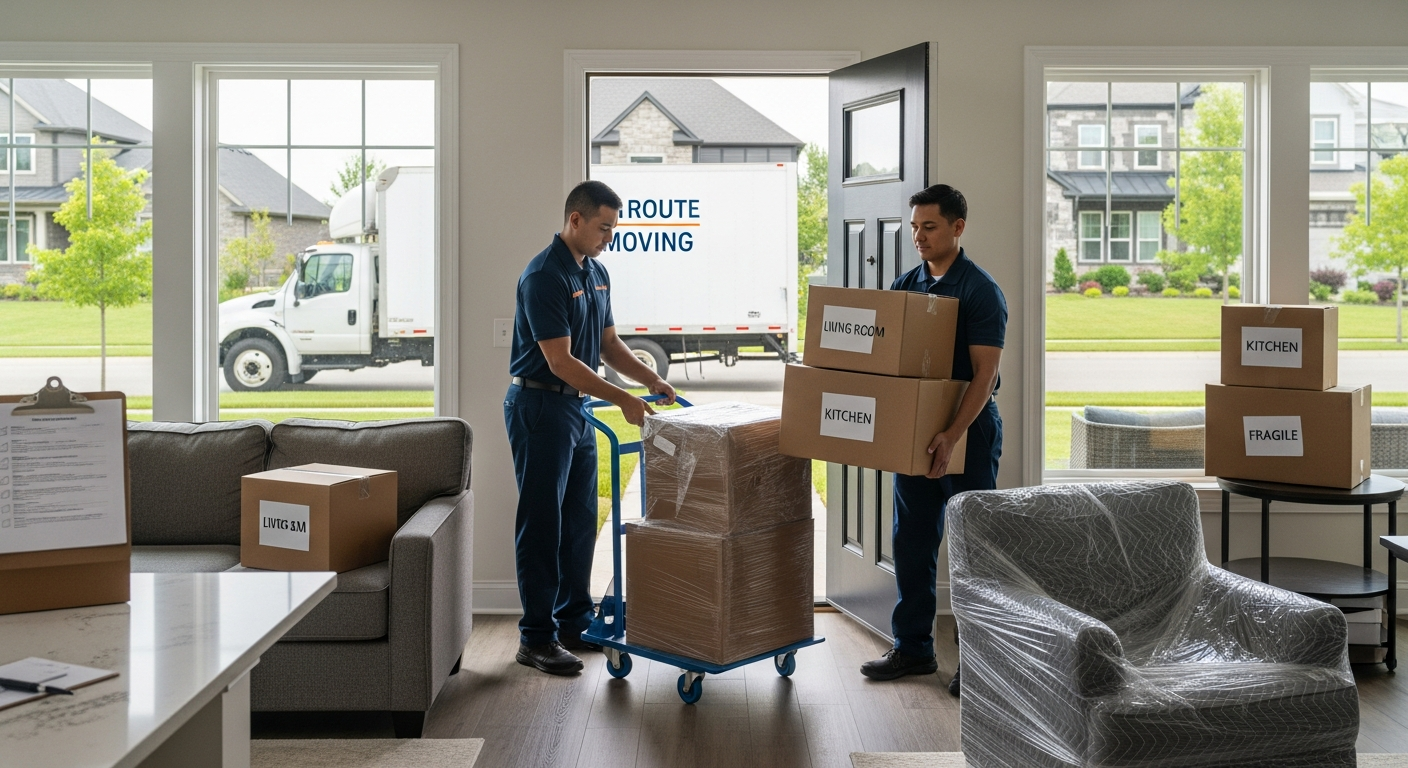
Knowing how to prepare for movers can be the difference between a smooth, efficient moving day and a stressful one. Even when you hire a full-service moving company, there are important steps you should take before movers arrive so the crew can get to work right away, protect your home, and keep your move on schedule.
This guide walks you through a practical, room-by-room moving day prep plan: how to prepare your home for movers, what to do the week before, what to do the night before, and what to do the morning of your move. You will also find checklists, timelines, and examples you can use to get ready for a move with confidence.
Atlas Route Moving helps customers across the U.S. with local and long-distance moves, packing, storage, and full-service support. The tips below are based on what our crews see every day in the field, and they are designed to help you get the most value from any professional movers you choose.
Use this guide as your step-by-step checklist so your movers can focus on loading, protecting, and transporting your belongings instead of waiting for last-minute packing or access issues to be solved.
Key takeaways
- Finish most packing and decluttering before movers arrive so the crew can focus on loading, protecting, and transporting your belongings.
- Secure parking, elevator time, loading dock access, and clear paths from your door to the truck to avoid delays and extra charges.
- Disassemble beds, remove items from dressers and desks, and disconnect appliances unless your move quote specifically includes these services.
- Clearly label boxes by room and mark fragile and high-priority items so movers can load strategically and handle special pieces with extra care.
- Set aside an essentials box and valuable items to travel with you, not on the truck, so you are covered if there are delays or access issues.
- Walk through your home with the crew leader on arrival to highlight fragile items, tricky corners, and anything that should not be moved.
- Use a written moving prep checklist and timeline so you are not scrambling on moving morning to finish packing, cleaning, or disassembly.
Why preparing for movers matters
When you are figuring out how to prepare for movers, it helps to understand why pre-arrival prep makes such a difference. Moving crews work on a schedule, often with multiple jobs in a day, and they are trained to load in a logical, efficient order. Anything that interrupts that flow can add time, complexity, and cost.
Good moving day prep benefits you in several ways:
- Less time on the clock: For hourly moves, delays from unfinished packing or blocked access can increase your final bill.
- Fewer surprises: When everything is ready and clearly labeled, movers can quickly understand what is going, what is staying, and what needs special handling.
- Better protection: Clear paths, protected floors, and wrapped furniture reduce the risk of accidental scuffs or damage during loading.
- Lower stress: If you have already decided what to keep, donated, or thrown away, you are not making last-minute choices under pressure.
- Accurate expectations: If you prepare based on what is included in your moving estimate, there is less chance of confusion about labor or additional services.
Whether you are hiring local moving services for a short move across town or planning a larger household relocation, the same basic principles apply: the more ready your home is when movers arrive, the smoother your day will go.
Moving prep timeline: When to do what
A clear timeline makes it easier to get ready for a move without feeling overwhelmed. Use the sample schedule below as a guide and adjust based on your home size, how much you own, and whether you are packing yourself.
| Timeframe | Key tasks | Why it matters |
|---|---|---|
| 2–4 weeks before | Book movers, start decluttering, gather packing materials, confirm building rules. | Gives time to plan, compare options, and pack without rushing. |
| 7–10 days before | Pack non-essentials, label boxes, schedule elevator/parking, confirm details with movers. | Prevents last-minute scrambles and access issues. |
| 2–3 days before | Finish most packing, disassemble furniture as agreed, set aside essentials and valuables. | Keeps move day focused on loading, not prep. |
| Night before | Clear paths, unplug appliances, confirm crew arrival window, get rest. | Ensures your home is ready and you are fresh for move day. |
| Morning of move | Protect floors if needed, secure pets, do final walkthrough, be ready for crew. | Lets movers start promptly and work safely. |
Think of this as your high-level plan for moving day prep. In the sections below, we will break down exactly how to prepare your home for movers at each stage.
How to prepare home access, parking, and elevators
Access is one of the first things your moving crew will look at when they arrive. Long carries, stairs, tight corners, and difficult parking can add time and complexity to your move. Preparing this in advance saves everyone stress.
Confirm parking and truck access
- Check where a moving truck can legally park and how close that is to your entrance.
- Ask your building or HOA if there are loading zones or time limits you must follow.
- Reserve any spots you can control (driveways, visitor spaces) for the moving truck.
- Move your own vehicles so the truck has a clear, straight shot for loading.
Example wording for a quick note to neighbors: “Hi, we are moving on Saturday between 8 a.m. and 2 p.m. A moving truck will need space in front of our house. We appreciate your help keeping that area clear.”
Coordinate elevators and loading docks
This is especially important if you live in an apartment, condo, or high-rise:
- Reserve a service elevator for your move window, if available.
- Ask building management whether they require a certificate of insurance from the moving company.
- Confirm allowed loading hours and any blackout times (for example, no moves on Sundays).
- Find out where movers should park for the shortest trip from truck to elevator.
Clear paths inside and outside your home
Safe, obstacle-free paths help movers move faster and reduce risk of damage. Before movers arrive:
- Remove small rugs that can trip someone carrying furniture.
- Move shoes, toys, plants, and decor out of hallways and entryways.
- Trim low branches or shrubs along walkways if they interfere with large items.
- In winter, shovel and salt icy steps or sidewalks; in rainy weather, plan for mats or towels at the entrance.
When you get ready for a move, try to walk your home the way a mover would: carrying a large dresser or sofa. Anything that would catch or block you is something to fix before moving day.
Decluttering and organizing before movers arrive
Decluttering is one of the most effective ways to save time and money when moving. It reduces how much you pack, carry, and unpack. It also makes your home easier for movers to navigate.
Focus on the heaviest and bulkiest items first
- Old books, magazines, and paper files
- Outgrown or unused furniture
- Duplicate kitchen appliances and cookware
- Garage and basement items you have not used in years
Sort items into at least four categories: keep, donate, recycle, and trash. Be realistic about whether each thing earns the cost and effort of moving it.
Organize what is staying so movers can see the plan
Once you declutter, organize your remaining items so it is clear what goes with what:
- Group boxes by room and stack them neatly along walls.
- Put items that are not moving (for example, things you are selling or leaving for the next owner) in a separate, clearly marked area.
- Gather small loose items (hardware, remote controls, cords) in labeled bags or small boxes.
This pre-work makes it easier for movers to estimate load size on arrival and plan the truck layout quickly.
Common decluttering mistakes to avoid
| Mistake | Why it is a problem | Better approach |
|---|---|---|
| Waiting until the day before to declutter | Creates decision fatigue and delays packing. | Start with one room or category 2–3 weeks ahead. |
| Packing everything “just in case” | Increases volume and cost for items you may not use again. | Ask if you would buy it again; if not, let it go. |
| Mixing donate and trash piles | Causes confusion and extra sorting later. | Use separate, clearly labeled bags or boxes. |
Packing tasks to finish before moving day
If you are packing yourself, one of the most important parts of learning how to prepare for movers is understanding what needs to be fully packed before they arrive. Even when movers are patient and flexible, waiting on packing slows the entire job.
What should be packed before movers arrive?
- Loose items and decor: Pictures, lamps, tabletop decor, and small electronics should be boxed.
- Books, dishes, and clothing: These are dense and heavy; boxing them lets movers stack and carry safely.
- Pantry and bathroom items: Pack food, toiletries, and cleaning products securely with lids taped.
- Garage and outdoor items: Tools and yard items should be consolidated, cleaned, and boxed where possible.
Only items that cannot reasonably be boxed, like large furniture or certain exercise equipment, should be left loose for movers to pad and wrap.
How full should boxes be?
Properly packed boxes protect your belongings and make the mover’s job safer. Use this guide:
| Box type | Best for | Packing tips |
|---|---|---|
| Small boxes | Books, canned goods, tools | Fill fully with heavy items; avoid over 40–50 lbs. |
| Medium boxes | Kitchenware, decor, mixed items | Heavier items on bottom; lighter on top; fill gaps with paper. |
| Large boxes | Linens, pillows, clothing | Use for bulky, lightweight items to keep weight reasonable. |
Seal and label every box
- Use quality packing tape on the bottom and top seams.
- Do not leave boxes open; open flaps slow stacking and can collapse.
- Label at least two sides and the top with the destination room at your new home.
- Mark priority boxes (for example, “Open first: Kitchen”) to guide the movers during unloading.
Example label format: “Kitchen – Dishes – Fragile – Open First”
When to consider professional packing help
If you are short on time, have a large home, or own many fragile or high-value items, using moving services that include professional packing can be worthwhile. Full or partial packing allows movers to arrive with the right materials, pack systematically, and ensure items are ready for transport before loading starts.
Labeling, inventory, and special-item instructions
Clear labeling and basic inventory help movers keep track of your belongings, load more efficiently, and handle special items the way you prefer.
Create a simple room-based labeling system
Instead of writing long descriptions on every box, use a consistent format so movers can quickly understand where things go:
- Use a short room code: K (Kitchen), LR (Living Room), BR1, BR2, BA (Bathroom), GAR (Garage).
- Add a basic content note: “Books”, “Pots & Pans”, “Linens”.
- Use color-coded tape or stickers if you like, but also write the room name clearly.
This is a key piece of getting ready for a move that is often skipped. A few extra seconds per box now can save a lot of confusion during unloading.
Flag fragile and special-care items
- Mark boxes with breakables “FRAGILE” on multiple sides.
- Use arrows and “THIS SIDE UP” for boxes that must stay upright.
- Separate extremely delicate items (fine china, heirlooms, specialty electronics) and point them out during your walk-through with the crew leader.
Keep a simple inventory for peace of mind
You do not need a highly detailed, item-by-item list for every single box. A simple inventory can be enough:
- Count total boxes per room (for example, “Kitchen – 10 boxes”).
- List major furniture pieces and any existing damage.
- Note serial numbers only for high-value electronics if desired.
Many customers simply snap quick photos of each room and valuable items as part of their prep. This helps you remember what is going where and can be useful if you ever need to reference condition later.
Furniture disassembly and appliance preparation
One of the most common questions about how to prepare for movers is whether you need to take furniture apart yourself. The answer depends on your moving company, your quote, and the specific items.
Clarify what your movers will handle
Before moving day, review your estimate or talk with your coordinator to confirm:
- Are bed disassembly and reassembly included?
- Will movers disconnect or reconnect washers, dryers, or gas appliances?
- Can movers remove doors from refrigerators or homes if needed for clearance?
- Are there fees for handling particularly bulky or complex items (pianos, safes, fitness machines)?
If you are using local moving services from Atlas Route Moving, your move coordinator can review your furniture list and suggest which pieces should be disassembled ahead of time.
Furniture you should usually disassemble beforehand
- Platform beds and frames with slats or center supports
- Large sectional sofas that separate into multiple pieces
- Wall-mounted shelves or modular storage systems
- Cribs, bunk beds, and loft beds
Place hardware for each item in a sealed bag labeled with the furniture name and tape it securely to the piece or pack it in a clearly marked “Hardware” box.
Preparing appliances before movers arrive
Most moving crews cannot perform specialized plumbing, electrical, or gas work. Plan ahead:
- Unplug refrigerators and freezers at least 24 hours in advance and let them defrost with towels in place.
- Disconnect washing machines and dishwashers according to manufacturer guidance.
- Remove water lines from refrigerators with ice makers and empty any water reservoirs.
- Secure loose components (shelves, drawers, knobs) with tape or remove and pack separately.
Check your moving paperwork to confirm whether appliance servicing is included or must be arranged with a third party.
Protecting floors, walls, and doorways
Professional movers routinely protect your belongings with pads, blankets, and shrink wrap. Still, there are a few practical steps you can take to help protect your home itself, especially in high-traffic areas.
Simple home protection steps
- Remove doors from hinges if large items will pass through very tight openings, if appropriate and safe.
- Take down wall art and mirrors along narrow hallways before moving day.
- Remove fragile light fixtures or low-hanging decor in high-traffic paths.
- Cover glass-topped furniture before movers arrive to avoid accidental bumps.
Floor and entryway protection
Ask your moving company what they typically provide. Many crews carry runners or floor protection materials. You can also:
- Place heavy-duty doormats or cardboard at main entries.
- Use painter’s tape to secure cardboard only if it will not damage flooring.
- Roll up and remove area rugs that could bunch or trip someone.
A quick conversation during your pre-move call is helpful. If you have newly refinished floors or particularly delicate surfaces, let your mover know ahead of time so they can bring any extra protection they recommend.
What to keep with you on moving day
One of the most important parts of moving day prep is separating what goes on the truck from what stays with you. This includes your essentials, valuables, and anything that would be hard to replace or that you will need right away.
Pack an essentials box for the first 24–48 hours
Having quick access to basics makes your first night in the new home much easier. Common essentials:
- Change of clothes and sleepwear for each person
- Basic toiletries and medications
- Phone chargers and small electronics
- Paper plates, cups, utensils, and a small pan or pot
- Snacks and bottled water
- Toilet paper, paper towels, trash bags, and basic cleaning supplies
- Small toolkit, flashlight, and scissors or box cutter
For more detail, you can review guidance such as how to pack an essentials box on the Atlas Route Moving blog or related internal guides.
Important documents and valuables
These items should travel with you, not on the moving truck:
- Passports, IDs, and birth certificates
- Financial records, checks, and tax documents
- Jewelry, small heirlooms, and keepsakes
- Work laptops and sensitive electronics
- Spare keys, garage openers, and small safes (if not too heavy)
Example reminder note to place on the front door: “Important: Essentials bag and documents with me? Keys? Medications? Chargers?”
Special items that may have restrictions
Certain items are often not allowed on moving trucks due to safety regulations, such as flammable liquids, some chemicals, and certain perishable goods. Review your moving paperwork for any list of non-allowable items and decide whether to transport them yourself or dispose of them safely.
Preparing kids, pets, and household routines
Moving day can be disruptive, especially for children and pets. Planning for their comfort and safety is an important part of how to prepare for movers.
Planning for children
- Explain the moving day plan in age-appropriate language ahead of time.
- Set aside a small backpack or box with favorite toys, books, and snacks.
- If possible, arrange for a trusted friend or relative to watch younger children.
- Designate a “safe room” away from main traffic paths if kids will be in the home.
Planning for pets
- Update collars and microchips with your current phone number.
- Prepare a pet essentials kit: food, bowls, leash, medication, and a familiar blanket or toy.
- Keep pets in a closed room, crate, or off-site with a sitter during loading and unloading.
- Introduce pets to the new home after major moving activity has settled.
By planning for kids and pets in your moving day prep, you reduce stress for them and create a safer, more focused environment for your movers.
How to compare moving estimates and expectations
Preparing for movers starts even before you book your date. Comparing estimates carefully helps you understand what is included, what is not, and what you are responsible for before movers arrive.
Key elements to compare
| Estimate element | What to look for | Why it matters |
|---|---|---|
| Service type | Local hourly vs. flat-rate, packing included or not. | Determines how your prep affects cost and time. |
| Included labor | Number of movers, estimated hours, disassembly tasks. | Clarifies what movers will do vs. what you should do beforehand. |
| Access notes | Stairs, long carries, elevator requirements, parking. | Helps you prepare building access to match the quote. |
Understanding what affects your final cost
While every company has its own pricing structure, common cost factors include:
- Home size and total volume of items
- Distance between origin and destination
- Number of stairs, elevators, and how far movers must carry items
- How prepared and packed your home is when movers arrive
- Additional services like packing, crating, or storage
You can use a moving cost calculator on the Atlas Route Moving website to get a general feel for how these factors work together for your specific move.
Key questions to ask movers before booking
To prepare effectively, you need a clear understanding of what your movers expect to find when they arrive. Consider asking questions like these during your estimate call or survey:
- “What do you expect to be packed and ready before the crew arrives?”
- “Which furniture pieces should I disassemble myself, and which will the crew handle?”
- “How should I label boxes so your team can unload efficiently?”
- “Are there items you cannot move or that require special preparation?”
- “What happens if there are unexpected access issues, like a broken elevator?”
- “What is the best way to communicate parking instructions for move day?”
These questions help you fine-tune your moving day prep and avoid surprises.
How Atlas Route Moving can support your move
Atlas Route Moving offers a range of services designed to make your move more organized, including local moving, long-distance and interstate moves, packing, storage, apartment and house moving, and office and senior moving support. Even with full-service options, we find that customers have the smoothest experiences when they understand how to prepare for movers and follow a clear plan like the one in this guide.
For local residential moves, our local moving services are tailored to your home layout, access, and schedule. We can review your inventory, answer your prep questions, and recommend whether additional packing or storage services would make sense for your situation.
Helpful Atlas Route Moving services
Whether you prefer to pack yourself or want help with fragile or high-value items, we can align our services with your moving day prep plan so your crew arrives ready to work.
Common prep mistakes and how we help you avoid them
| Common mistake | Potential impact | How planning helps |
|---|---|---|
| Not finishing packing before move day | Delays, longer loading times, possible extra cost. | Use a written packing schedule and confirm expectations with your coordinator. |
| Unclear parking and access details | Longer carries, more labor, potential rescheduling. | Share photos or notes about parking and stairs ahead of time. |
| No plan for essentials or valuables | Stress at destination, difficulty finding key items. | Pack a dedicated essentials box and keep valuables with you. |
Putting it all together: Your quick pre-arrival checklist
- Confirm your move date, time window, and crew size.
- Reserve parking, elevators, and loading access where needed.
- Finish decluttering and organize what is staying vs. not moving.
- Complete most packing at least 1–2 days before move day.
- Disassemble agreed furniture and prepare appliances.
- Label boxes by room and mark fragile or priority items.
- Protect floors and clear paths throughout your home.
- Pack essentials, documents, and valuables to travel with you.
- Plan for kids and pets to stay safe and out of heavy-traffic areas.
Once these steps are done, your home is well prepared for movers to arrive and get straight to work.
Ready to plan your move?
If you are starting to get ready for a move and want a professional crew that respects your time and home, Atlas Route Moving can help. Explore our full range of moving services, check our service areas, use the moving cost calculator, or request a free moving quote to discuss your timeline and prep plan.
Related moving guides
Frequently asked questions
How clean should my home be before movers arrive?
Your home does not need to be spotless, but floors and major walkways should be reasonably clear and safe. Remove clutter, trash bags, and loose items from the crew’s paths so they can navigate quickly. Basic sweeping or vacuuming near entryways and stairs can also reduce slips and keep your belongings cleaner during the move.
Do I need to empty dressers and drawers before moving?
In most cases, yes. It is usually best to empty dressers, desks, and cabinets before movers arrive, especially for long carries or stairs. Light, non-breakable clothing may sometimes stay in drawers if your movers approve, but heavy or fragile items should always be removed and boxed.
Will movers disconnect my appliances?
Policies vary by company. Many movers are not licensed to disconnect gas lines or complex electrical connections. Plan to unplug and disconnect appliances like washers, dryers, and refrigerators before the crew arrives unless your estimate clearly includes this service or a third-party technician.
How far in advance should I finish packing?
Aim to have at least 90% of your packing done 1–2 days before moving day. This lets you handle last-minute items calmly and ensures movers can focus on loading. Leaving large areas unpacked often leads to delays, extra time, and more stress on move day.
What should I do with cash, jewelry, and important documents?
Keep cash, jewelry, passports, financial records, and other critical documents with you, not on the moving truck. Store them in a small bag, backpack, or lockbox that stays in your possession throughout the move so you always know where they are.
Do I need to be home when movers arrive?
Yes, someone over 18 who understands the move plan should be present when movers arrive and throughout the move. The crew leader will typically do a walkthrough with you to confirm what is moving, note fragile items, and ask any questions about access or special instructions.
How can I help movers work faster without getting in the way?
Finish your prep before they arrive, label everything clearly, and answer questions promptly. After the initial walkthrough, it is usually best to stay available but out of main traffic paths. Handling small tasks like keeping doors propped, elevators reserved, and pets secured also helps the crew stay efficient.
What if I am not fully packed when movers show up?
Movers can often help with some last-minute packing if time and materials allow, but this may increase your total cost and extend the move. If you know you will need packing help, it is better to arrange partial or full packing services in advance rather than relying on day-of support.
Can movers take plants or hazardous items?
Many movers have restrictions on certain items, including plants traveling long distances and hazardous materials like paint, propane, or chemicals. Review your moving paperwork and discuss any questionable items before moving day so you can decide whether to transport them yourself or dispose of them safely.
How early should I book movers to have enough prep time?
For local moves, booking 3–4 weeks in advance usually gives you enough time to organize, declutter, and pack. During busy seasons or for larger homes, more lead time is helpful. Once your date is on the calendar, you can follow a timeline for what to do each week before movers arrive.
Sources referenced in this guide
Parts of this guide reflect general industry practices and recommendations commonly shared by:
- Federal Motor Carrier Safety Administration consumer guidance
- U.S. Department of Transportation moving guidance
- State transportation and consumer protection agencies
- Building management move-in and move-out requirements
- Written moving estimates, bills of lading, and carrier tariffs
Always review your own moving paperwork and building rules, as specific requirements can vary by location, property, and carrier.
This guide is general moving information, not legal, insurance, or regulatory advice. Moving requirements, pricing, access rules, and coverage options may vary by location, move type, building rules, and service agreement.