
What Movers Won’t Move: The Non-Allowable Items List
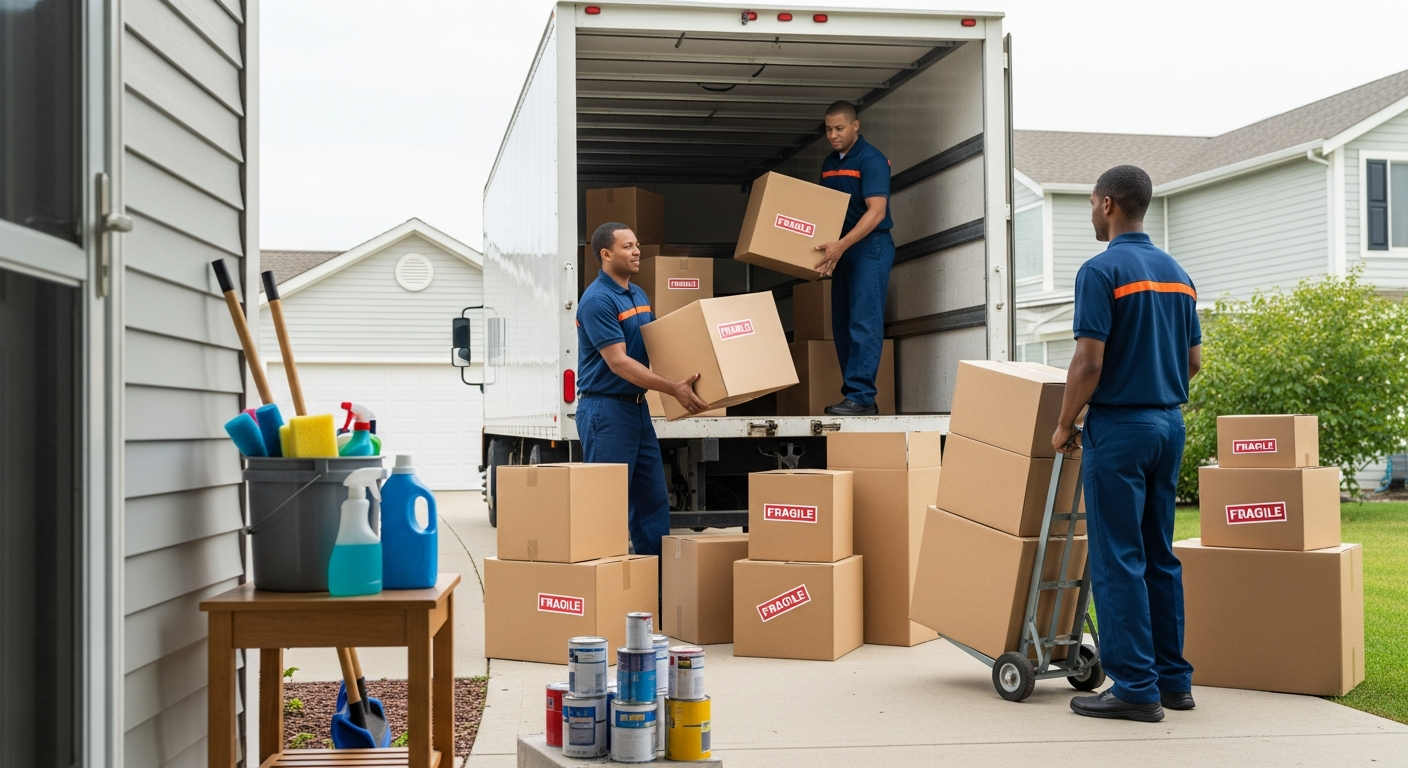
When you are planning a move, it is easy to assume that your moving company will load everything you own onto the truck. In reality, every professional mover follows a detailed list of non-allowable items they cannot transport for safety, legal, and liability reasons. If you do not understand what movers wont move ahead of time, you can end up scrambling on moving day with boxes the crew must refuse.
This guide explains exactly what movers typically will not take, why these rules exist, and how to plan around them so your move stays safe, efficient, and on schedule. We will walk through hazardous materials, perishables, plants, valuables, important documents, and special items that often cause surprises. You will also find checklists, planning timelines, and practical examples to help you decide what to pack, what to donate, and what to move yourself.
Atlas Route Moving works hard to keep every move organized and safe, and a big part of that is making sure customers know what not to pack on the moving truck. Use this guide as a working checklist as you sort your home, talk with your mover, and prepare for moving day.
By the end, you will know how non-allowable items affect your move, how to avoid last-minute issues at the truck, and how our local moving services can help you handle everything that movers can safely transport.
Key takeaways
- Every professional mover uses a non-allowable items list that restricts hazardous, perishable, and certain high-value items from shipment.
- Anything flammable, explosive, corrosive, or combustible is usually prohibited on moving trucks for safety and regulatory reasons.
- Food that can spoil, live plants, and live animals are typically considered items movers cant take because of damage and pest risks.
- Important documents, cash, jewelry, and irreplaceable keepsakes should always travel with you, not on the moving truck.
- Planning what not to pack at least 2–4 weeks before moving day prevents last-minute stress and delays at loading time.
- Ask your moving company for their specific non-allowable list early so you can dispose of, donate, or transport restricted items yourself.
- Atlas Route Moving can help you build a safe packing plan around non-allowable items so your local or long-distance move stays organized.
Why movers have non-allowable item lists
Before looking at specific things movers will not move, it helps to understand why these rules exist. Non-allowable lists are not just company preferences; they are based on real safety and compliance issues.
Safety of the crew, truck, and your belongings
Moving trucks are confined spaces packed tightly with furniture, boxes, and equipment. A single leaking chemical, exploding aerosol can, or container of gasoline can cause serious injury or damage. Professional movers limit hazardous materials on the truck to reduce the risk of fire, toxic fumes, or corrosion.
Transportation regulations and local rules
Certain materials are regulated as hazardous by transportation authorities. Moving companies must comply with these rules, which often prohibit or tightly control the transport of flammable, explosive, or corrosive items in household moves.
Apartment buildings, HOAs, and storage facilities may also restrict what can be brought into their properties. Movers follow those building rules as part of their service agreements.
Liability and insurance coverage
Household goods moving insurance and valuation coverage are designed around normal personal property, not commercial quantities of chemicals or highly perishable items. If a container of bleach leaks and damages your furniture, that damage could fall outside standard coverage. By following a non-allowable items moving list, companies like Atlas Route Moving keep expectations clear and reduce preventable claims.
Predictable scheduling and service
When movers arrive and discover multiple boxes of paint, fuel, or spoiled food, they must stop, re-sort, and sometimes dispose of items. This slows down your move, can trigger extra charges, and may delay later customers. Clear rules about what movers wont move keep your timeline predictable.
Understanding what movers wont move
Every company’s list is slightly different, but most professional movers follow the same categories. When you hear the phrase what movers wont move, it usually includes:
- Hazardous or flammable materials
- Pressurized or explosive items
- Corrosive or toxic chemicals
- Perishable food and open containers
- Live plants and live animals
- Cash, jewelry, and important documents
- Certain high-risk or specialty items without prior arrangement
Here is a quick overview comparing what typically can and cannot go on the moving truck. Always confirm details with your mover.
| Category | Generally Allowable | Usually Non-Allowable |
|---|---|---|
| Furniture & household goods | Sofas, beds, tables, decor, clothing, books, standard electronics | Items contaminated with fuel, pests, or mold |
| Chemicals & cleaners | Sealed mild cleaners in small quantities (case by case) | Paint, solvents, fuel, pesticides, strong acids/bases |
| Food & perishables | Non-perishable canned or sealed dry goods (short local moves only, if allowed) | Frozen, refrigerated, open, or easily spoiled foods |
| Plants & animals | Usually none (you transport yourself) | Live plants, live animals, aquariums with water |
| Valuables & documents | Copies of documents, low-value decor and accessories | Cash, jewelry, passports, financial records, irreplaceable keepsakes |
Knowing these high-level categories helps you spot items around your home that may belong on the non-allowable list before you begin packing.
Hazardous materials movers cannot take
Hazardous materials are the most heavily restricted part of any non-allowable items moving list. These products can leak, ignite, explode, or release fumes when exposed to heat, pressure, or impact during transit.
Common household hazardous items movers wont move
- Gasoline, diesel, and fuel cans (even if you think they are «empty»)
- Propane tanks for grills or heaters
- Charcoal lighter fluid and other accelerants
- Paints, paint thinners, stains, and varnishes
- Solvents, mineral spirits, and turpentine
- Aerosol cans (spray paint, lubricants, hair spray, etc.)
- Pesticides, herbicides, and weed killers
- Fertilizers and pool chemicals
- Bleach, ammonia, and strong cleaning chemicals
- Car batteries, household batteries in bulk, and certain rechargeable packs
- Fireworks, ammunition, and gunpowder
- Compressed gas cylinders (oxygen, scuba, CO2, etc.)
These are classic examples of items movers cant take because of fire and explosion risk. Even if some of these products are technically legal to transport in small quantities, most moving companies still restrict them for safety.
How to identify hazardous materials in your home
Look for these clues on product packaging as you decide what not to pack on the moving truck:
- Warning words such as «Flammable,» «Combustible,» «Explosive,» or «Corrosive»
- Hazard symbols (flame, skull and crossbones, exploding bomb, gas cylinder)
- Instructions that mention strict temperature, storage, or ventilation conditions
- Directions that say «Do not transport in closed vehicle»
A quick rule of thumb: if you would be uncomfortable leaving it in a hot car for several hours, it probably should not go on a moving truck.
Options for hazardous items before your move
Once you identify hazardous materials, you have a few options:
- Use them up: Finish partial containers of fuel, fertilizer, or chemicals before your move if you can do so safely.
- Give them away: Offer usable products to neighbors, friends, or local community groups that can use them quickly.
- Dispose safely: Many communities have household hazardous waste collection sites or events. Check your local waste management guidance for details.
Sample wording when confirming with your mover: «We have several cans of paint, a propane tank, and some lawn chemicals. I understand these are non-allowable items. Is there anything on this list that you can take, or should we plan to dispose of all of it before moving day?»
Perishables and refrigerated items
Perishable food is another major category on what movers wont move. Even if a truck is moving a short distance, the interior can get hot, and boxes are usually loaded tightly with limited airflow.
Typical food items movers will not move
- Frozen meats, seafood, and prepared meals
- Refrigerated dairy, eggs, deli items, and leftovers
- Fresh fruits and vegetables that spoil easily
- Open containers or partially used jars (may leak or attract pests)
- Open bags of flour, sugar, cereal, or pet food
Some movers may allow small quantities of sealed, non-perishable items for short local moves, but it is always a case-by-case decision. When in doubt, pack pantry items separately and ask upfront.
Planning your refrigerator and freezer before the move
To avoid waste and confusion, treat your fridge and freezer as a mini-project two weeks before moving day:
- Stop buying large quantities of refrigerated and frozen food.
- Plan meals around what you already have to minimize leftovers.
- Freeze only what you can safely transport in a cooler in your own vehicle.
- Schedule time to defrost and clean your fridge 24–48 hours before the movers arrive.
Many moving companies, including Atlas Route Moving, recommend that refrigerators be emptied, defrosted, and completely dry before they are loaded on the truck. This protects your furniture and boxes from condensation and spills.
What to do with remaining food
- Share with friends or neighbors: Invite neighbors to take items you cannot move.
- Donate shelf-stable goods: Many communities accept unopened, non-perishable food donations.
- Use coolers for essential perishables: On moving day, pack a small cooler with ice packs for essentials you will need within 24 hours, such as baby food or specific dietary items.
Example plan: «We will eat down the freezer two weeks out, donate unopened dry goods three days before moving, and pack a small cooler with milk and snacks in our car for move day.»
Plants and live items
Plants are often sentimental, and many people are surprised to learn that plants are typically on the list of items movers cant take, especially for longer moves.
Why movers often will not take plants
- Fragility: Potted plants break and spill soil easily when stacked with boxes and furniture.
- Temperature and light: Inside a moving truck, extreme temperatures and darkness can quickly damage plants.
- Pests and soil regulations: For interstate moves, there may be regulations on transporting certain plants, soil, or pests across state lines.
Because of these issues, many moving companies list live plants as non-allowable items moving trucks cannot safely carry.
Options for your houseplants
- Transport personally: For local moves, you may be able to move plants in your own car, standing upright and protected.
- Give cuttings or gift plants: Share plants with friends or family, or take cuttings to re-grow in your new space.
- Check local regulations: If you are moving across state lines, review any restrictions on specific species before transporting them yourself.
Other live items movers will not move
Professional movers cannot transport live animals, aquariums filled with water, or terrariums with live habitats. These must be handled separately, often requiring special planning and timing.
Valuables, documents, and personal items
Not everything on what movers wont move lists is hazardous. Some items are restricted because they are too valuable, too sensitive, or too difficult to replace if lost or damaged. Many moving contracts recommend or require that customers keep certain items with them at all times.
Valuable and irreplaceable items to keep with you
- Cash, coins, and collections
- Jewelry, watches, and small heirlooms
- Important family photos and irreplaceable keepsakes
- Personal electronics with sensitive information (laptops, tablets, hard drives, backup drives)
- Small antiques or collectibles with high sentimental or monetary value
Even if a mover is technically able to transport these items, many customers choose not to. Keeping them with you gives peace of mind and avoids valuation disputes.
Critical documents movers should not transport
Document security is another major part of what not to pack on the moving truck. Keep these documents in a personal file or lockbox and transport them yourself:
- Passports, visas, and birth certificates
- Social Security cards and personal identification
- Marriage certificates, adoption papers, and legal documents
- Financial records, tax returns, and bank information
- Home and auto insurance policies
- Medical records and prescription information
- Wills, powers of attorney, and estate planning documents
Pack these documents in a clearly labeled folder or bag you will keep with you at all times, not in a box that might be loaded on the truck.
Suggested packing for personal items
Sample wording for your checklist: «We will pack passports, vital records, checkbooks, spare keys, and jewelry into a small backpack that stays with us in the car on moving day.»
Special conditions and gray areas
While some items clearly fall on the non-allowable list, others are more situational. This is where early communication with your mover is essential.
Items that may be allowed only under conditions
- Small propane cylinders for camping stoves: Usually treated like larger tanks and restricted.
- Household cleaning supplies: Some companies may allow sealed, mild cleaners in limited quantities, while others prefer none at all.
- Non-perishable pantry items: Sealed cans and jars might be acceptable for short local moves but discouraged on long-distance moves.
- Garage and shed items: Tools are usually fine, but oils, lubricants, and chemicals may not be.
Atlas Route Moving reviews these gray areas with you during the planning and estimate stage, especially for local moving services where trip distances are shorter but safety standards are still strict.
Weather and distance considerations
The longer the move, the more cautious you should be. Items that might survive a 20-minute local trip may not do well on an all-day or multi-day journey. Heat-sensitive products like candles, certain cosmetics, and some adhesives can warp or melt in transit.
| Item Type | Short Local Move | Longer or Interstate Move |
|---|---|---|
| Sealed pantry food | Sometimes allowed; ask your mover | Often discouraged or not allowed |
| Mild cleaners | Case by case, small quantities only | Frequently excluded |
| Heat-sensitive items (candles, wax, crayons) | Higher risk of melting but sometimes allowed | Better to transport yourself |
How to handle non-allowable items before moving day
Once you know what movers wont move, the next step is creating a plan to handle those items ahead of time. This is where many moves either run smoothly or run into issues.
Create a non-allowable sorting zone
Early in your packing process, choose a specific area of your home for non-allowable items:
- Garage corner or a portion of the basement
- A spare bathroom or laundry room shelf
- One side of the kitchen or pantry
As you pack, set aside anything that might be hazardous, perishable, or too valuable for the truck in this zone. This visual separation makes it easier to decide what to keep, donate, or dispose of.
Label clearly: «Do NOT load»
One of the most effective ways to prevent mistakes is to clearly label non-allowable items with large notes like:
- «DO NOT LOAD – HAZARDOUS»
- «DO NOT LOAD – FOOD»
- «RIDE IN CAR WITH OWNER»
Place these labels on coolers, plastic bins, or grouped items in your non-allowable zone. Movers should not touch these items unless you specifically direct them.
Disposal, donation, and transport plan
For each non-allowable category, decide in advance:
| Category | Best Option | Timeline |
|---|---|---|
| Hazardous chemicals & fuels | Use up, give away, or take to household hazardous waste collection | 2–3 weeks before move |
| Perishable food | Use in meals, donate non-perishables, transport small amount in cooler | 1–7 days before move |
| Plants | Give away, transport personally, or take cuttings | Up to moving day |
| Valuables & documents | Pack in personal bag or lockbox for your vehicle | 1–3 days before move |
By assigning a timeframe, you keep these tasks from piling up at the last minute.
Non-allowable items planning timeline
Here is a sample timeline you can adapt to your own move. This works particularly well for local moves coordinated with a company like Atlas Route Moving.
| Time Before Move | Non-Allowable Tasks | Notes |
|---|---|---|
| 4 weeks | Request mover\’s non-allowable list; identify hazardous and high-risk items in each room | Discuss items during your estimate or planning call |
| 3 weeks | Create non-allowable sorting zone; start grouping chemicals, paints, and fuels | Schedule hazardous waste drop-off if available |
| 2 weeks | Stop buying bulk perishable food; plan meals to use fridge and freezer items | Confirm plant and pet transport plans |
| 1 week | Donate unopened non-perishables; remove remaining hazardous items from home | Label «Do NOT load» areas clearly |
| 2–3 days | Pack important documents and valuables into personal bag; defrost refrigerator | Confirm move details with your mover |
| Move day | Keep non-allowable items separate; walk the crew through «do not load» zones | Transport your personal essentials in your vehicle |
Common mistakes and how to avoid them
Understanding what movers wont move is only half the battle. Many moving-day headaches come from small oversights around non-allowable items.
Typical mistakes customers make
- Packing hazardous materials into sealed boxes that look like normal household goods
- Leaving the refrigerator full or partially full on move day
- Assuming movers will take plants or pet supplies without asking
- Placing valuables and important documents into random boxes loaded on the truck
- Waiting until the last 24 hours to dispose of paints, fuel, or chemicals
Prevention strategies
Use this comparison table to see how to avoid common problems.
| Mistake | Risk | Better Approach |
|---|---|---|
| Packing paint and chemicals in regular boxes | Leaking, fumes, or refusal by movers at the door | Sort hazardous items early and dispose or give away before move day |
| Leaving fridge full until the crew arrives | Spoiled food, spills, and delays in loading | Empty, defrost, and dry fridge 24–48 hours in advance |
| Packing passports and jewelry in random boxes | Stress if boxes are delayed or misplaced | Keep valuables and documents in a bag that stays with you |
| Assuming movers will take plants | Last-minute scrambling or leaving plants behind | Ask your mover early and plan personal transport or gifting |
A short conversation with your moving coordinator can prevent most of these issues. The team at Atlas Route Moving can walk through your inventory and flag anything that may need special handling.
Questions to ask your moving company
Non-allowable lists vary a bit from company to company, so always confirm details directly. Here are practical questions you can ask during your estimate or planning call.
- «Can you send me your current non-allowable items list so I know what movers wont move?»
- «Are there any differences between what you will move locally versus for longer or interstate moves?»
- «Do you allow any cleaning supplies or pantry items, and if so, which ones?»
- «How do you prefer I handle partially used paint, fuel, and lawn chemicals?»
- «Are there any items that you strongly recommend I move personally even if you technically can transport them?»
- «What should I do if I am unsure whether something belongs on the non-allowable list?»
Sample email to your mover: «We are starting to pack and want to make sure we follow your non-allowable guidelines. Could you please confirm what items movers cant take, especially regarding cleaning supplies, paints, and pantry food for a local move?»
What to keep with you on moving day
In addition to items movers wont move for safety or policy reasons, there are certain essentials that are simply more convenient and secure when you keep them close.
Your moving-day essentials kit
Pack a clearly labeled «Open First» or essentials box that stays with you. Common items include:
- Basic toiletries (toothbrush, toothpaste, soap, towel)
- Change of clothes for each family member
- Medications and basic first aid items
- Phone chargers and small electronics
- Snacks and bottled water
- Pet food, leashes, and comfort items
- Important documents and keys
For more detail on building this kit, you can reference the guidance on the How to pack an essentials box article on the Atlas Route Moving site.
Personal valuables and sensitive items
As mentioned earlier, items like jewelry, cash, and sensitive paperwork should not be placed in boxes for the truck. Organize them into:
- A small backpack or purse for documents and daily essentials
- A lockable case or small safe for higher-value items
- Separate envelope or folder for move-related paperwork, including your moving estimate and any contracts
Keeping these items with you helps you stay organized on moving day and reduces stress if the truck is delayed.
How Atlas Route Moving can help
Knowing what movers wont move is an important step, but putting that knowledge into a realistic plan is where many people appreciate professional guidance. Atlas Route Moving provides organized local and long-distance moving support that takes non-allowable items into account from the start.
Planning your move around non-allowable items
When you request an estimate, our team will discuss typical non-allowable items moving companies restrict and ask about your garage, shed, pantry, and valuables. This helps us:
- Provide clearer expectations about what will and will not go on the truck
- Suggest disposal or donation options you can explore in your community
- Recommend how to stage «do not load» areas in your home
- Adjust crew time and truck space based on what is actually being moved
If you are planning a local move, you can explore our local moving services page to see how full-service packing, loading, and unloading can be tailored to your home and timeline.
Coordinating with packing and storage services
Many customers choose packing help but still need to manage non-allowable items themselves. When our team packs your home, we follow your instructions on what to leave aside, what to label as «do not load,» and what you plan to transport personally. This coordination reduces confusion on moving day.
Helpful Atlas Route Moving services
These resources can help you build a complete moving plan that respects non-allowable item rules while keeping your schedule on track.
Frequently asked questions
Do movers move cleaning products?
Policies vary. Some movers allow small quantities of mild, sealed cleaners, while others prefer none at all. Strong chemicals, bleach, and ammonia-based products are usually on the non-allowable list. Always ask your mover before packing them.
Can movers take propane tanks or gas cans?
No. Propane tanks, fuel cans, and similar containers are classic examples of items movers cant take because they are highly flammable. You will need to use, exchange, give away, or safely dispose of them before moving day.
Will movers transport my refrigerator with food inside?
Professional movers generally require refrigerators and freezers to be emptied, defrosted, and dried before loading. Perishable food should not go on the truck. Plan to use, donate, or transport essential items in a cooler in your own vehicle.
Can movers take houseplants on a local move?
Most movers prefer not to move plants because they are fragile and can create soil messes. Some may make exceptions for very short distances, but it is usually better to transport plants in your own car or gift them to friends or neighbors.
Are movers allowed to move firearms and ammunition?
Policies differ widely. Many movers require customers to transport firearms and ammunition themselves, and ammunition is often on the non-allowable list because it is explosive. Discuss these items with your mover well in advance.
Should I pack jewelry and cash in boxes for the truck?
No. High-value items such as cash, jewelry, small heirlooms, and important documents should travel with you, not on the moving truck. Pack them in a personal bag or lockbox you keep under your direct control.
What should I do with leftover paint and chemicals?
Most movers will not take paint, solvents, or chemicals. Plan to use them up, offer them to neighbors, or bring them to a household hazardous waste collection if available in your area.
How do I know if something is considered hazardous for moving?
Check the product label for warnings such as «flammable,» «explosive,» or «corrosive,» and look for hazard symbols. If you are unsure, assume it may be non-allowable and ask your moving company for guidance.
Can movers take non-perishable pantry food?
Sometimes, especially on short local moves, movers may allow a limited amount of sealed, non-perishable food. However, policies vary, and many companies discourage shipping food to prevent pests and spills. Confirm with your mover before packing pantry items.
What is the best way to prepare non-allowable items before a move?
Start early. Create a non-allowable zone in your home, group hazardous and perishable items there, label «do not load» clearly, and make a plan to use, donate, dispose of, or personally transport everything on your mover\’s restricted list.
Sources referenced in this guide
Moving companies develop their non-allowable items lists based on several types of guidance and requirements, including:
- Federal Motor Carrier Safety Administration consumer guidance on household goods moves
- U.S. Department of Transportation regulations on transporting hazardous materials
- State transportation and consumer protection agency recommendations about moving safety
- Building management move-in and move-out rules for apartments, condos, and offices
- Written moving estimates, bills of lading, and service agreements that define what is and is not included
- Carrier tariffs, valuation options, and internal safety policies maintained by professional moving companies
These sources, combined with practical field experience, shape what movers wont move and how those rules are applied in real moves.
For additional practical packing and preparation advice, you can review the Atlas Route Moving blog, including articles such as how to prepare for movers, how to pack an essentials box, and how to pack a garage.
Related moving guides
This guide is general moving information, not legal, insurance, or regulatory advice. Moving requirements, pricing, access rules, and coverage options may vary by location, move type, building rules, and service agreement.
Plan a safe, organized move with Atlas Route Moving
When you know what movers wont move and plan around those limits, your move day becomes much smoother. Atlas Route Moving can help you build a realistic packing and loading plan that accounts for non-allowable items, building rules, and your timeline.
If you are getting ready for a local or long-distance move, you can explore our full range of moving services, review our service areas, use the moving cost calculator, or request a free moving quote to discuss your specific situation with our team.
With careful planning, clear communication, and the right moving partner, you can handle non-allowable items confidently and focus on settling into your new home.