
Eco-Friendly Packing Materials for a Greener Move
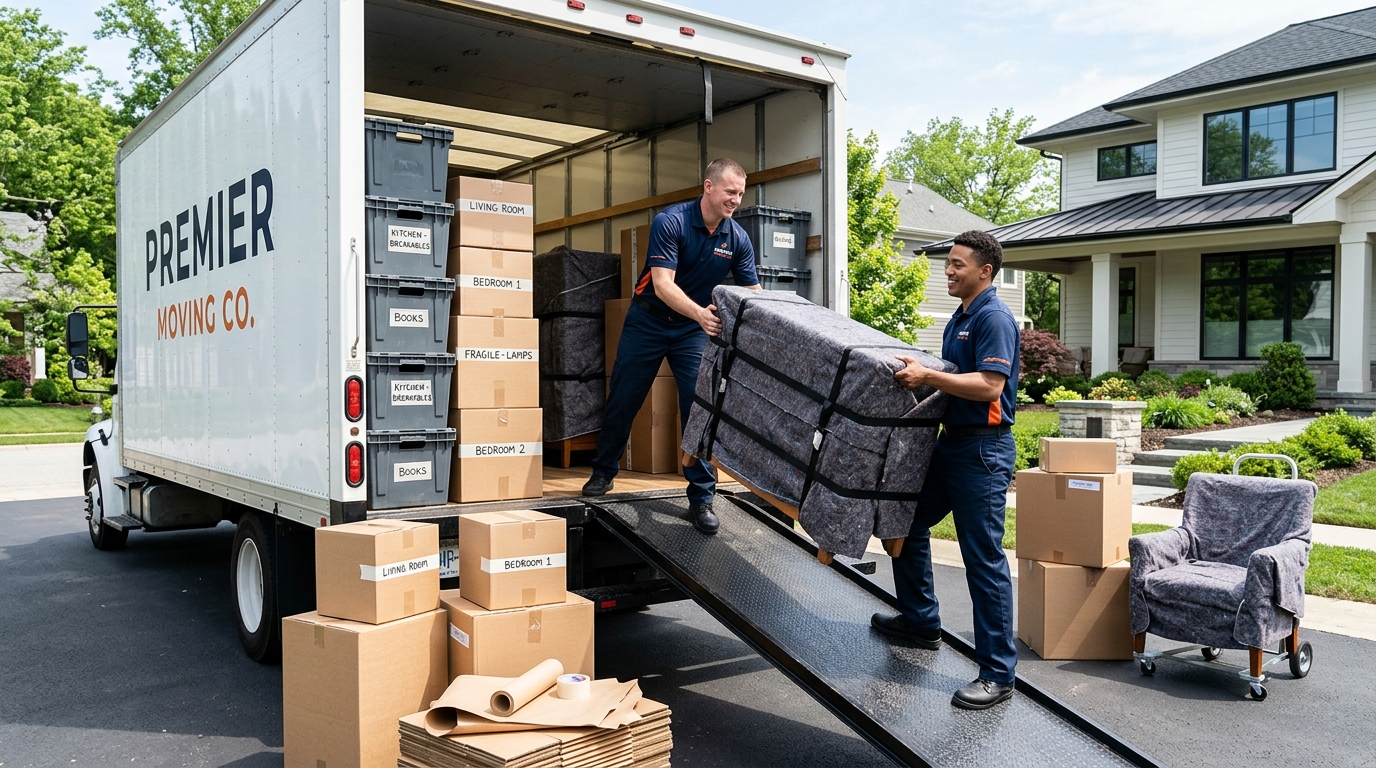
Planning a move and trying to cut down on waste at the same time can feel overwhelming. Traditional moves use piles of single-use plastic, tape, bubble wrap, and boxes that may end up in the trash after one day of use. The good news: with the right eco friendly packing materials and a bit of planning, you can make your move noticeably greener without making it harder.
This guide walks you through sustainable moving supplies that actually work in real-life moves. We will cover reusable moving boxes and crates, recycled paper and blankets, plastic free packing options, how to source greener materials, and how to coordinate all of this with your movers. You will also find checklists, comparison tables, and practical examples you can copy for your own move.
Atlas Route Moving regularly helps customers who care about sustainability as much as they care about protecting their belongings. Whether you want to fully commit to a low‑waste move or simply reduce some plastic, this guide will help you make smart, realistic choices. Along the way, we will also show where professional packing services can support a greener move.
Use this article as your step‑by‑step field manual: decide which eco friendly packing materials make sense for your budget, your timeline, and the size of your home, and then build a plan you can actually follow.
Key takeaways
- You can significantly cut plastic waste by combining reusable moving boxes, recycled paper, and fabric padding instead of single-use plastics.
- Start sourcing eco friendly packing materials 3–6 weeks before moving day so you have time to collect, clean, and organize supplies.
- Not every item needs new materials; suitcases, bins, laundry baskets, and drawers can double as moving containers when packed safely.
- Clear labeling, an inventory list, and consistent box sizes do more for a smooth, green move than simply adding more materials.
- Eco options can be cost-neutral or even cheaper when you plan ahead, reuse supplies, and avoid overbuying.
- Professional packers who understand sustainable options can help you balance protection, efficiency, and environmental impact.
- Discuss your green move goals with your movers before booking so they arrive prepared with appropriate materials and packing plans.
Why planning a green move matters
Moves generate a surprising amount of waste. Think about the last moving truck you saw: stacks of cardboard, plastic stretch wrap wrapped around every piece of furniture, layers of bubble wrap around dishes, and tape on nearly every surface. Most of this is used once and tossed.
When you choose eco friendly packing materials, you:
- Reduce plastic waste and landfill volume
- Lower the demand for new raw materials
- Often save money by reusing instead of buying new
- Keep your new home from being filled with trash bags of discarded packing supplies
- Set a good example for kids, neighbors, and even your building or HOA
For many households, the barrier is not willingness but logistics: where to find sustainable moving supplies, how much to get, and how to make sure items are still well-protected. This guide breaks those decisions down into manageable steps.
Types of eco friendly packing materials
Eco friendly packing is less about one perfect product and more about choosing better options across your whole move. Below is a high-level overview of the main material categories.
| Material type | Eco benefit | Best for |
|---|---|---|
| Reusable moving boxes and crates | Reduce single-use cardboard; can be used many times | General household goods, books, kitchen items, decor |
| Recycled cardboard boxes | Made from recycled fibers and recyclable again | Light to medium household items, pantry, closet |
| Recycled packing paper | Replaces plastic bubble wrap; recyclable after use | Dishes, glasses, small appliances, breakables |
| Moving blankets and pads | Reusable for many moves; reduce plastic stretch wrap | Furniture, appliances, framed art, large fragile items |
| Fabric-based materials | Repurpose items you already own; no new materials | Clothing, linens, padding inside boxes, wrapping decor |
Eco friendly packing materials can be new products made from recycled content or items you already own that can double as protection. Both approaches count toward a green move.
Reusable moving boxes and crates
Reusable moving boxes are one of the most impactful changes you can make. Instead of buying stacks of cardboard, you use durable plastic crates or heavy-duty bins that are designed for many trips. While they are plastic, their long lifespan makes them a strong option for a greener move.
Benefits of reusable moving boxes
- Less waste: No need to flatten and recycle dozens of boxes after move-in.
- Stronger protection: Many crates are sturdier than single-use cardboard, which helps protect heavy items like books or dishes.
- Easier stacking: Uniform crates stack safely in the truck and in your new home.
- Weather resistance: If it rains on moving day, reusable crates often keep contents drier than cardboard.
Reusable moving boxes are especially helpful for apartments, condos, and local moves where the crates are easy to return or reuse.
Choosing the right reusable boxes
When evaluating reusable moving boxes, consider:
- Size variety (small for books, medium for pantry, large for linens)
- Handles and lids for easy carrying
- Nesting or stackability to save space when empty
- Cleanability (smooth surfaces you can wipe down)
If you have your own bins and totes at home, these also count as reusable moving boxes. Just ensure they have secure lids, are not overpacked, and are labeled clearly.
Example labeling for reusable crates
«Kitchen – Pantry – Crate 1 of 3 – Open First»
«Bedroom 2 – Clothes – Crate 2 of 4 – Off-Season»
Consistent labeling across all crates will help both you and your movers place items quickly in the right rooms, reducing extra trips and handling.
Recycled paper, blankets, and padding
Bubble wrap and foam peanuts are common in traditional moves, but they are not your only option. Recycled paper, moving blankets, and other reusable pads can provide excellent protection with far less plastic.
Recycled packing paper vs bubble wrap
Recycled packing paper is one of the most versatile eco friendly packing materials. It can be used to wrap dishes, cushion boxes, and fill empty spaces.
| Feature | Recycled packing paper | Bubble wrap / foam |
|---|---|---|
| Material | Paper made from recycled fibers | Plastic film and foam |
| Reusability | Can be reused if not torn, then recycled | Occasionally reusable but often discarded |
| End of life | Easily recyclable in most curbside programs | More difficult to recycle; often landfill |
| Protection level | Excellent when layered and crumpled | Very good; especially for highly fragile items |
For most household items, recycled paper does the job very well. Bubble wrap can be reserved for extremely delicate or high-value items if you choose to use it at all.
Moving blankets and pads
Moving blankets are an essential tool for a green move because they are purposely reusable and long-lasting. Professional movers like Atlas Route Moving use furniture pads and blankets to protect pieces from scratches, dents, and dust.
- Furniture: Wrap wood, metal, or upholstered furniture in blankets instead of plastic wrap.
- Appliances: Use padded covers and blankets around refrigerators, washers, and dryers.
- Art and mirrors: Combine corner protectors with blankets and tape to stabilize frames.
If you are doing part of the packing yourself, you can supplement professional blankets with household textiles: comforters, duvets, older towels, and heavy blankets.
Using household items as padding
Household textiles can replace a surprising amount of dedicated packing material. Examples:
- Wrap lampshades in clean pillowcases.
- Use towels and hand towels between pans or baking dishes.
- Place folded sheets around framed photos in boxes.
- Use rolled t-shirts or scarves to fill gaps in boxes.
«Wrap 4–5 plates together in a stack with recycled paper, then place bundles vertically between folded towels inside a small box.»
This approach uses materials you already own and still provides adequate protection when packed snugly.
Plastic free packing options
Many families aim for a plastic free packing strategy, or at least a plastic-reduced approach. While some plastics can be hard to avoid entirely, you can dramatically decrease them by focusing on the biggest offenders: stretch wrap, tape, bubble wrap, and single-use plastic bags.
Replacing stretch wrap
Stretch wrap is often used to bundle furniture and protect upholstery. Eco friendly alternatives include:
- Using moving blankets secured with reusable straps or rope instead of plastic.
- Removing drawers and packing contents separately, then blanketing the furniture frame.
- Using rubber bands or reusable straps to hold protective padding in place.
Talk with your movers in advance if you want to limit stretch wrap use so they can bring extra blankets and straps.
Reducing plastic tape
Tape is difficult to avoid entirely, but you can reduce it by:
- Using reusable boxes with built-in lids that require minimal tape.
- Reinforcing the bottom of recycled cardboard boxes but not over-taping the sides.
- Using paper-based tape made with natural adhesives where possible.
Plastic free cushioning ideas
Instead of plastic peanuts or bubble wrap, consider:
- Crumpled recycled paper
- Shredded paper (avoiding glossy, heavily inked pieces)
- Old but clean t-shirts or sweaters
- Reusable felt pads or fabric scraps
The goal is tight packing with minimal void space. When items cannot shift, they are far less likely to break, even with less plastic.
Where and how to source sustainable moving supplies
Knowing which eco friendly packing materials you want is one thing. Actually gathering them in time for your move is another. A realistic sourcing plan will mix what you already own, what you can borrow or rent, and what you might purchase.
Start with what you already have
Walk through your home with a notepad or your phone and make a quick inventory of containers and soft goods you can repurpose:
- Suitcases and duffel bags
- Plastic storage bins and totes
- Laundry baskets and hampers
- Decorative baskets and bins
- Blankets, comforters, quilts, sleeping bags
- Older towels and washcloths
- Seasonal clothing and coats for padding
Assign these items to categories such as «fragile padding,» «soft goods container,» or «books and heavy items.» This helps you see how much additional material you actually need to source.
Borrow, share, and reuse locally
Next, consider whether friends, family, or neighbors have leftover boxes, bins, or packing paper they are willing to share. Many eco conscious movers are happy to pass on supplies instead of recycling them immediately.
«We are moving next month and trying to reduce waste. Do you have any boxes, bins, or packing paper we could borrow or take off your hands?»
Local community groups or building bulletin boards can also be helpful for sharing materials. When you finish your move, you can repeat the cycle by offering your lightly used supplies to someone else.
Buying eco friendly packing materials
If you need to purchase additional materials, look for options that are either:
- Made from recycled or sustainably sourced materials
- Durable enough to be reused for future moves or storage
- Clearly recyclable after use
Keep a running list of what you still need after reusing and borrowing. Prioritize quality over quantity; a smaller number of sturdy, reusable items is better than a pile of flimsy supplies that fail on moving day.
Coordinating with your moving company
If you are working with Atlas Route Moving, let us know early that you want to prioritize sustainable moving supplies. Professional crews can:
- Bring more moving blankets and pads to reduce plastic wrap.
- Use recycled packing paper where appropriate instead of bubble wrap.
- Incorporate your reusable crates and bins into the loading plan.
- Offer advice on which items still need extra protection.
This ensures the crew arrives prepared and that your green goals support, rather than slow down, the moving process.
Planning a greener move: timeline and steps
A green move is most successful when you start early. Below is a realistic timeline combining eco friendly packing materials with general move preparation. Adapt it to your exact move date and size.
| Time before move | Eco tasks | General tasks |
|---|---|---|
| 6–8 weeks | Decide green move goals; audit containers and textiles you already own. | Request quotes from movers and compare services. |
| 4–6 weeks | Borrow or source reusable boxes; order any recycled materials you need. | Book your mover and confirm dates and building requirements. |
| 3–4 weeks | Begin packing off-season and rarely used items using eco supplies first. | Start change-of-address and non-essential scheduling. |
| 2 weeks | Refine your packing plan; set aside textiles to use as padding; minimize last-minute purchases. | Confirm elevator times, parking permits, and access with both locations. |
| 1 week | Finish most packing; label boxes clearly; prepare a «no-pack» zone for essentials. | Defrost freezer if needed; organize keys and important papers. |
| Moving day | Keep reusable containers organized for easy unloading; set aside used paper for future reuse or recycling. | Walkthrough with movers; confirm inventory; secure both homes. |
Green move planning checklist
- Set clear priorities (plastic free, less cardboard, reuse first).
- Make a list of containers and padding items you already own.
- Ask friends or neighbors for leftover boxes and paper.
- Decide how many reusable moving boxes or crates you need.
- Order recycled packing paper and any specialty eco supplies.
- Tell your moving company about your sustainability goals.
- Plan how you will reuse or pass on materials after move-in.
Cost factors: eco materials vs traditional supplies
One common misconception is that eco friendly packing materials are always more expensive. In reality, cost depends on how you approach your green move. Thoughtful planning often keeps costs similar or even lower than a conventional move.
Key cost drivers
- How many new supplies you purchase vs reuse or borrow
- Whether you invest in durable, reusable items or single-use materials
- How efficiently you pack (fewer half-empty boxes, less waste)
- The time and labor required for packers and movers
Below is a general comparison of traditional vs eco-geared packing approaches.
| Approach | Typical material pattern | Cost impact over time |
|---|---|---|
| Traditional | New cardboard, bubble wrap, plastic stretch wrap, foam, lots of tape | Lower upfront per item, but many items used once and discarded |
| Eco focused (reuse heavy) | Mix of reusable crates, repurposed bins, textiles, recycled paper | Similar or lower total spend if you reuse bins and borrow supplies |
| Eco focused (premium products) | Higher-end reusable crates, specialty eco padding, paper tape, custom labels | Higher upfront, but materials can serve future moves and storage |
Tips to control costs with sustainable moving supplies
- Use a moving cost estimate or calculator to understand your overall budget, then assign a reasonable portion to supplies.
- Prioritize eco upgrades where they matter most (e.g., reusable crates for heavy items, blankets instead of plastic).
- Avoid overbuying; keep receipts for any unopened supplies you might return.
- Use free or low-cost repurposed materials for padding whenever safe.
If you would like help estimating how your packing choices affect your overall move, you can discuss this while you request a quote or use the moving cost calculator on the Atlas Route Moving site as part of your planning.
Working with movers on eco friendly packing
Even if you are committed to a green move, success depends on how well your moving team understands and supports your plan. Professional movers deal with safety, efficiency, and protection, so it is important to align eco goals with these priorities.
Questions to ask before booking
- «Can your crews use recycled packing paper instead of bubble wrap for most items?»
- «How do you typically protect furniture? Do you use moving blankets and pads?»
- «Are you comfortable loading and unloading my reusable crates and bins?»
- «If I want to minimize stretch wrap, what alternatives do you recommend?»
When you talk with Atlas Route Moving, you can share your goals up front. Our teams are used to tailoring packing approaches based on each household’s needs.
Partial vs full packing services
Eco friendly packing does not have to be all or nothing. Many customers combine self-packing with professional help in targeted areas.
| Service level | Eco packing advantages | Best for |
|---|---|---|
| Self-packing | Maximum control over materials; can reuse and repurpose extensively. | Small moves, flexible schedules, tight budgets. |
| Partial packing service | Pros handle fragile and complex areas with eco materials. | Busy households, limited time, mixed DIY and pro approach. |
| Full packing service | Most efficient; movers plan materials, protection, and labeling for you. | Larger homes, complex moves, tight timelines. |
If you want professional help, you can explore Atlas Route Moving’s packing services. Our team can use eco friendly packing materials when practical and coordinate with what you have already prepared.
How to brief your movers on your green plan
- Share your priorities: less plastic wrap, more reusable containers, or both.
- Show them where reusable boxes, textiles, and recycled paper are stored.
- Point out high-value or fragile items and discuss specific protection strategies.
- Clarify any items you do not want wrapped in plastic or tape.
The more clearly you communicate your expectations before moving day, the smoother and greener the process will be.
What to keep with you on moving day
No matter how eco friendly your packing is, there are certain items that should stay with you, not on the truck. Thinking through these essentials ahead of time prevents last-minute plastic bag use and rushed packing decisions.
Eco-conscious moving day essentials bag
- Important documents (IDs, passports, insurance information, moving paperwork)
- Basic cleaning supplies at each home
- Reusable water bottles and snacks
- A small tool kit and screwdriver set
- Phone chargers and power strips
- A small first-aid kit
- Any necessary medications
- Keys, fobs, and building access cards
Pack these in a backpack, tote, or suitcase you plan to keep in your car or with you at all times.
Separate «do not pack» zone
Designate an area such as a closet, bathroom, or clearly marked corner where movers know not to touch anything. This helps avoid last-minute scrambling and unplanned use of extra boxes or plastic.
«Everything in this bathroom stays with us – please do not load these items.»
Label the door or area if needed to avoid confusion as the crew works efficiently through your home.
Common eco moving mistakes and how to avoid them
Even motivated, eco conscious movers can run into problems if they overlook a few key details. Use the table and checklist below to stay on track.
| Common mistake | Impact on your move | Better approach |
|---|---|---|
| Waiting too long to source eco supplies | End up buying last-minute plastic-heavy supplies. | Start 4–6 weeks out; reuse, borrow, and then buy what is missing. |
| Going fully plastic free with no backup plan | Risk of under-protecting fragile items or stressful last-minute changes. | Aim for «plastic reduced» and reserve limited plastic for high-risk items. |
| Not telling movers about eco goals | Movers arrive with standard materials and habits. | Discuss preferences before move day so the crew can adapt. |
| Overpacking heavy eco crates | Difficult to lift; risk of injury or dropped boxes. | Keep any box or crate to a manageable weight; mix light and heavy items. |
Quick checklist to stay on track
- Have I started sourcing eco friendly packing materials at least a month before the move?
- Do I have a balanced plan that protects fragile items safely?
- Have I walked through my home and listed containers and textiles I already own?
- Have I discussed my green move expectations with my movers?
- Have I set up a «do not pack» essentials area?
- Do I have a plan for recycling or reusing materials after move-in?
Frequently asked questions
Are eco friendly packing materials really as protective as traditional materials?
Yes, when used correctly. Recycled packing paper, moving blankets, and sturdy reusable boxes can protect most household items as well as traditional bubble wrap and cardboard. Extremely delicate or high-value pieces may still benefit from targeted use of specialized materials, but those can be limited.
What is the easiest first step toward a greener move?
The simplest starting point is to replace bubble wrap with recycled packing paper and to reuse as many boxes and containers as you can find. This alone significantly cuts down on plastic and single-use materials without adding much complexity.
Do reusable moving boxes make sense for long-distance moves?
They can, especially if you own the bins and plan to use them for storage later. For rental-style crates, they are often more common on local moves, but you can still use your own plastic totes and sturdy containers on long-distance relocations.
How far in advance should I collect sustainable moving supplies?
Aim to start 4–6 weeks before your move. This gives you time to reuse what you already have, ask friends or neighbors for leftover supplies, and purchase only what is still needed.
Can I still work with professional packers if I want a green move?
Yes. Many customers combine their own eco friendly packing materials with professional services. At Atlas Route Moving, you can discuss your goals and we can integrate your reusable crates, textiles, and recycled paper into our packing plan.
Is plastic free packing realistic?
Plastic free packing is possible for some households, but it is more realistic to aim for plastic reduced packing. Prioritize reducing stretch wrap, foam, and single-use plastics while allowing limited use where it strongly improves protection.
What should I do with eco friendly packing materials after the move?
Flatten and recycle cardboard and paper where accepted, keep reusable bins and crates for storage or future moves, and offer lightly used supplies to friends, neighbors, or local community groups who may be planning a move.
How does Atlas Route Moving support eco conscious customers?
Atlas Route Moving can use moving blankets, recycled packing paper, and careful packing techniques that align with your green move goals. If you choose our packing services, we will discuss material options, packing priorities, and how to best integrate the supplies you already have.
Sources referenced in this guide
For customers planning an eco conscious move, it can be helpful to review general information from several types of sources before you finalize your plan. In addition to guidance from Atlas Route Moving, many households参考:
- Federal Motor Carrier Safety Administration consumer guidance on planning interstate moves
- U.S. Department of Transportation moving guidance and checklists
- State transportation or consumer protection agencies for local regulations
- Building management move-in and move-out requirements for both locations
- Written moving estimates, packing service descriptions, and bills of lading
- Carrier tariffs, valuation options, and service agreements from your moving company
These references can help you understand your rights and responsibilities, building rules, and how your eco friendly packing materials fit into the overall move.
How Atlas Route Moving can support your green move
Choosing eco friendly packing materials is easier when you have a moving partner who understands why it matters. Atlas Route Moving takes a practical, customer-focused approach: we look for ways to combine sustainability, protection, and efficiency rather than treating them as competing goals.
Depending on your needs, we can:
- Use moving blankets and pads to protect furniture instead of relying heavily on plastic wrap.
- Incorporate recycled packing paper for dishes, glassware, and decor.
- Work with your reusable moving boxes, bins, and baskets.
- Provide partial or full packing services that reflect your eco priorities.
- Help you estimate the supplies you really need so you do not overbuy.
Helpful Atlas Route Moving services
Related moving guides
If you are ready to plan your move, you can estimate your budget using the moving cost calculator, review available moving services, and confirm that your new home is within our service areas. When you are comfortable with your plan, reach out to Atlas Route Moving to discuss timing, packing options, and how we can support your eco friendly move from start to finish.
This guide is general moving information, not legal, insurance, or regulatory advice. Moving requirements, pricing, access rules, and coverage options may vary by location, move type, building rules, and service agreement.