
Moving in Summer Heat: How to Stay Safe and Protect Your Stuff
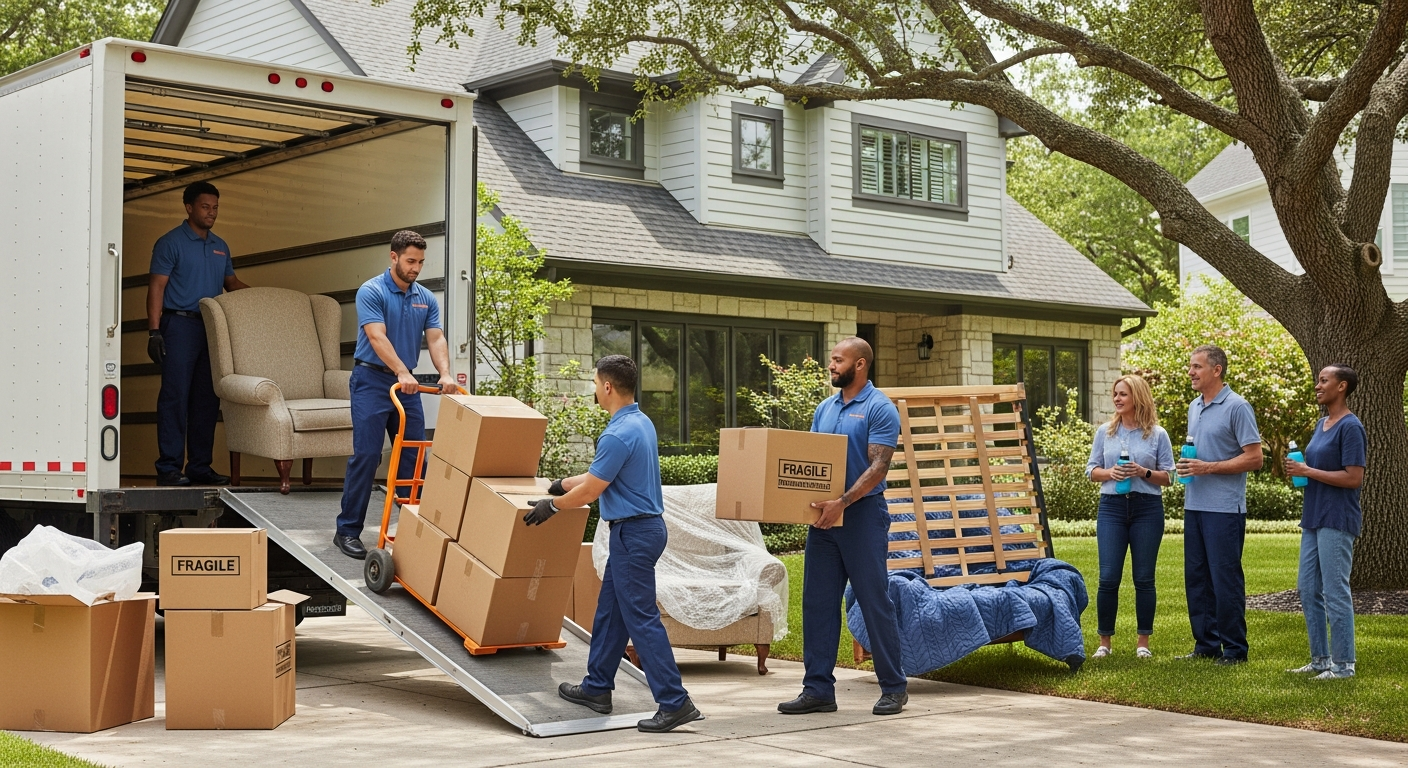
Moving in summer heat is very common in the United States. School schedules, lease dates, and busy real estate markets mean many families, renters, and businesses are packing up during the hottest months of the year. The challenge is that high temperatures, humidity, and strong sun can quickly turn a normal move into a safety risk and a serious threat to your belongings.
On a hot day, the inside of a moving truck or car can climb far above the outside temperature. Electronics, candles, cosmetics, vinyl records, medications, and even some furniture finishes can suffer heat damage if they are not packed and handled correctly. At the same time, the people doing the heavy lifting face dehydration, heat exhaustion, and fatigue if the day is not planned around the weather.
This guide from Atlas Route Moving is designed to walk you through every major part of moving in the heat. You will learn how to schedule your move for cooler hours, what to pack separately, how to protect heat-sensitive items, how to keep your crew and family safe, and how to coordinate with professional movers so everyone is prepared.
Whether you are moving across town using our local moving services or planning a long-distance relocation, the same principles apply: plan around the weather, protect what is sensitive to heat, and keep safety first.
Key takeaways
- For moving in summer heat, schedule loading and unloading during the coolest hours, and ask your movers for a morning start time when possible.
- Separate and personally transport items that are easily damaged by heat, such as electronics, candles, medications, certain cosmetics, and important documents.
- Plan hydration and shade breaks for everyone handling boxes and furniture; have cold water, sports drinks, and light snacks ready before crews arrive.
- Never leave pets, plants, or medications in a parked vehicle or closed truck; these should stay with you in climate-controlled conditions.
- Use quality packing materials and label boxes that should not sit in the sun or hot truck for long, especially in long-distance or interstate moves.
- Confirm building rules, elevator reservations, and parking plans so you do not lose cooler early-morning hours dealing with access issues.
- Work with a licensed, insured mover like Atlas Route Moving that understands hot weather moving and can help you plan realistically around the forecast.
Why summer moves are different
Summer is the busiest season for the moving industry, and it comes with conditions that are very different from a mild spring or fall move. When you are moving in the heat, you are dealing with:
- Higher outside temperatures and heat index
- Strong sun that can heat up boxes, vehicles, and doorways
- Humidity that makes lifting and carrying more exhausting
- More traffic, vacation schedules, and busy elevators
- Peak demand for trucks, crews, and building elevator reservations
On top of that, the inside of a truck or car can heat up much faster than the air outside. Any item that is sensitive to heat, moisture, or warping needs extra attention when planning a summer move.
How heat affects people and belongings differently
People can take breaks, cool down, and drink water. Your belongings cannot. An electronic device forgotten in a hot car, a candle in a closed box, or a leather sofa baking in direct sun can all suffer damage long before the move is finished.
This is why a successful plan for moving in summer heat always considers two parallel goals:
- Keeping everyone safe and comfortable enough to work efficiently.
- Limiting exposure of vulnerable items to extreme temperatures and sun.
Example: A typical hot weather moving scenario
Imagine a move scheduled for noon in July. The outside temperature is 94°F with high humidity. The movers arrive, but elevator access is delayed, and the truck must park in full sun. By the time loading begins, the truck interior is significantly hotter than the outside air.
Unprotected electronics and candles are stacked in the back, a box of medications accidentally goes on the truck, and the crew works with limited shade and water. By late afternoon, everyone is exhausted, and some items are already damaged from extended heat exposure.
This scenario is preventable with thoughtful planning and a clear strategy, which is what the rest of this guide will help you build.
Best time of day and week for a summer move
When moving in the heat, timing is one of your strongest tools. Temperatures, traffic, and building access can all work for you or against you, depending on when you schedule your move.
Choosing the right time of day
In most U.S. locations, the hottest part of the day is early to mid-afternoon. For heavy lifting, that is the time you want to avoid.
In general, plan your summer move around these guidelines:
- Start as early as possible. Aim for the earliest morning time your mover can offer, especially for larger homes or upstairs apartments.
- Reserve elevators early. If you are in a building with an elevator schedule, match your elevator slot to the morning window so crews can keep working in cooler air.
- Limit late-day heavy lifting. Ideally, most loading and unloading of large furniture is done by early afternoon, leaving only lighter tasks for later hours.
| Time of day | Conditions | Best use on moving day |
|---|---|---|
| 6 a.m. – 9 a.m. | Coolest temperatures, less traffic | Load heavy furniture, appliances, and bulk boxes |
| 9 a.m. – 12 p.m. | Warming up but still manageable | Finish main loading or start unloading at destination |
| 12 p.m. – 4 p.m. | Hottest hours, highest heat index | Limit to light tasks, indoor setup, and paperwork |
| 4 p.m. – 8 p.m. | Gradual cooling, but trucks still warm | Final unloading, furniture placement, and quick unpacking |
Choosing the right day of the week
Summer weekends and the first and last days of each month are the busiest times to move. If your schedule allows, consider:
- Choosing a midweek move date (Tuesday–Thursday) for potentially smoother logistics.
- Avoiding major holiday weekends when traffic and heat exposure can be worse.
- Building a backup plan in case high heat or storms make your original schedule unsafe.
Sample wording to confirm timing with your mover:
“Because we are moving in summer heat, we would really prefer the earliest morning time you have available. Can we confirm a first-start time for our move and discuss how long the heavy lifting part is likely to take?”
Protecting heat-sensitive items from summer temperatures
One of the most important summer move tips is to identify what cannot safely sit in a hot truck or car and plan for those items first. When you are moving in summer heat, some belongings should travel with you in a climate-controlled vehicle, while others need special packing or timing.
Heat-sensitive items to handle with extra care
Make a list of anything that can melt, warp, separate, spoil, or lose effectiveness in high temperatures. Common categories include:
- Electronics and devices
- Candles, wax melts, and some soaps
- Cosmetics, lotions, nail polish, and perfumes
- Medications and certain vitamins (check labels)
- Artwork, photos, vinyl records, and musical instruments
- Perishable or frozen food (usually best to use it up before move)
- Adhesive-based items (tapes, glues, some craft supplies)
- Heat-sensitive plastics and inflatable items
| Item type | Heat risk | Suggested handling |
|---|---|---|
| Laptops, tablets, game consoles | Overheating, data loss, component damage | Carry with you in car; avoid direct sun and hot trunk |
| Candles and wax products | Melting, leaking, staining other items | Pack in sealed bags; move in climate control if possible |
| Medications and insulin | Loss of effectiveness, safety concerns | Keep on your person in a cooler bag; never load on truck |
| Fine art and photos | Warping, fading, sticking to glass | Use protective materials; minimize time in hot environments |
What should never go on the moving truck?
While each move is unique, there are several categories that are generally best kept with you during hot weather moving, especially for longer trips:
- Medications, medical devices, and necessary health supplies
- Important documents (passports, IDs, legal papers, moving paperwork)
- Daily-use electronics such as phones, laptops, and tablets
- Sentimental irreplaceable items that cannot be replaced by insurance
- Temperature-sensitive cosmetics or skin-care products you rely on daily
Sample wording to label boxes:
“Do Not Overheat – Load Last / Unload First” or “Heat Sensitive – Keep Upright and Out of Sun”
How Atlas Route Moving can help protect your items
At Atlas Route Moving, our crews are used to working in summer conditions. When you book your move, you can walk us through which items are especially sensitive to heat, and we can help plan:
- Loading sequence so heat-sensitive items go on last and off first.
- Protective wrapping and packing to reduce rapid temperature change.
- Reasonable travel breaks that avoid leaving trucks sitting in sun unnecessarily.
Hydration and heat safety for your moving day team
Even if you hire professional movers, you, your family, and possibly friends or coworkers may still be helping. Moving in the heat is physically demanding, and a safe day starts with hydration and pacing.
Basic hydration and rest guidelines
Plan ahead the same way you would for a long outdoor sports event or workday:
- Have more water on hand than you think you will need.
- Offer drinks regularly rather than waiting until someone is very thirsty.
- Set a reminder to pause for brief shade or indoor cool-downs.
| Heat condition | Suggested water intake | Break plan |
|---|---|---|
| Warm (70–80°F) | Small drink every 20–30 minutes while working | Short rest every 60–90 minutes |
| Hot (80–90°F+) | Frequent water plus electrolyte drinks | Cool-down every 45–60 minutes |
| Very hot / high humidity | Continuous hydration; avoid sugary drinks only | More frequent breaks and lighter pace |
Recognizing signs of heat stress
Everyone working the move should be aware of early warning signs of heat-related illness, such as:
- Headache, dizziness, or feeling faint
- Heavy sweating or sudden stop in sweating
- Nausea or muscle cramps
- Confusion or unusual irritability
If you notice these signs in yourself or anyone else:
- Stop work right away and move to a cooler area.
- Offer cool water and a cold cloth on the neck or forehead.
- Call for medical help if symptoms are severe or do not improve.
Creating a hydration station
Set up one easy-access area near the main entrance with:
- Coolers of water and sports drinks
- Disposable cups or personal bottles
- Light, salty snacks like pretzels or crackers
- Paper towels and a small trash bag
Let the movers know they are welcome to use it throughout the day. It keeps everyone safer and often keeps the move more efficient.
Moving pets and plants in the heat
Pets and plants are especially vulnerable when moving in the heat. They cannot regulate temperature the way people can, and they should never be left in a closed car or truck, even for a short time.
Protecting pets during a summer move
Pets can experience stress from both the move and the weather. A strong plan for animals includes:
- Staying in a cool, quiet room while movers are loading.
- Plenty of fresh water and a light meal schedule to avoid upset stomachs.
- Traveling with you in an air-conditioned vehicle.
- Frequent short breaks on long drives for water and bathroom time.
Consider boarding pets or having a friend watch them on the actual loading and unloading days, especially in extreme heat. This keeps them out of the chaos and away from propped-open doors and hot pavement.
Keeping plants safe in summer heat
Plants are another special category in hot weather moving. Many moving companies do not load plants on long-distance or interstate moves because of regulations and the difficulty in keeping them alive in a hot truck. For local moves, if plants can be moved, you should still treat them as highly sensitive.
For more detailed plant-specific guidance, you can review the Atlas Route Moving article on how to pack plants for moving. For now, these basics apply:
- Water plants lightly the day before, not the morning of the move.
- Carry plants in your own car whenever possible.
- Avoid leaving them in a parked vehicle, even with windows cracked.
- Unpack and place them in indirect light quickly at your new home.
Preparing your home for a hot weather moving day
Good preparation reduces how long doors need to stay open, how many trips are required, and how much time your belongings spend in the heat. It also helps your movers work safely and efficiently.
Checklist: Day-before preparation
- Confirm move time, address, parking, and elevator reservations.
- Finish pre-packing as much as possible, especially small loose items.
- Set aside your personal essentials, medications, and heat-sensitive items that will not go on the truck.
- Defrost, clean, and dry the refrigerator and freezer if they are being moved.
- Walk the path from door to truck and clear obstacles.
- Identify shady spots outside where items can stage, if needed.
Checklist: Morning-of preparation
- Turn on air conditioning to keep indoor spaces cooler.
- Open curtains or turn on lights so movers can see clearly.
- Set up your hydration station and a simple snack area.
- Secure pets in a cool, closed room away from doors.
- Walk movers through the home, pointing out fragile and heat-sensitive items.
Sample wording to use with your movers:
“These two boxes are medications and electronics that we will be taking in our car. Please keep them near the front so we can load them last, and do not leave them in the sun.”
How summer heat affects moving costs and timing
Moving costs are influenced by distance, volume of belongings, access, and time. In the summer, heat and peak demand can affect pricing and scheduling as well.
Factors that can increase time and cost in summer
Even if your mover has straightforward pricing, hot weather conditions may add time to the job. That does not necessarily mean a surprise bill, but it is wise to understand the factors involved.
| Summer factor | How it affects the move | What you can do |
|---|---|---|
| Higher temperatures | More frequent water and shade breaks for safety | Schedule an early start; have water ready |
| Busy season demand | Limited date availability; potential for higher seasonal rates | Book early and be flexible with midweek dates |
| Traffic and construction | Longer travel time between homes or offices | Plan realistic timelines; avoid rush-hour when possible |
Using tools to plan your budget
You can use the Atlas Route Moving moving cost calculator to get a sense of how distance, size, and services may affect your cost. Then, discuss specific summer conditions with the moving consultant so your estimate lines up with likely timing.
Packing strategies for a summer move
Packing for moving in summer heat is slightly different from packing for cooler weather. The goal is to reduce how much heat reaches your belongings and to make loading and unloading faster.
Smart materials for hot weather moving
Consider using:
- Sturdy moving boxes rather than thin, reused cartons that may soften in humidity.
- Quality packing tape that will not lose adhesion in heat.
- Plastic bins for items that must be shielded from moisture or accidental leaks.
- Bubble wrap and foam sheets for electronics and fragile items, not just paper.
| Packing task | Summer-specific tip | Why it matters |
|---|---|---|
| Boxing electronics | Use original boxes if available, plus extra cushioning | Protects from jostling and minimizes rapid heat swings |
| Packing candles and liquids | Seal in plastic bags and upright containers | Prevents leaks from damaging other belongings |
| Labeling boxes | Mark “Heat Sensitive” and “Unload First” where needed | Helps crews prioritize sequence on hot days |
Organizing boxes for quick loading and unloading
When moving in the heat, every extra trip through the sun matters. Group boxes by room and by priority:
- Priority 1: Items you need on arrival day and night (medications, basic cookware, bedding).
- Priority 2: Items that can tolerate some time in heat but should not be buried deep in the truck (electronics, certain plastics).
- Priority 3: Durable household goods that can be loaded earliest and unloaded later (books, some furniture).
If you would like help with packing during a hot weather move, Atlas Route Moving offers professional packing services that can take care of materials, labeling, and safe handling.
Common summer moving mistakes and how to avoid them
Planning ahead helps you avoid costly or stressful mistakes when moving in summer heat. Here are some issues our team frequently sees, along with ways to prevent them.
| Common mistake | What can go wrong | Better approach |
|---|---|---|
| Booking a midday start in July | Working through peak heat with greater fatigue and risk | Request the earliest possible morning slot |
| Leaving medications in a packed box on the truck | Reduced effectiveness and potential health issues | Always keep medications with you in climate control |
| Underestimating water needs | Headaches, cramps, slower work, or heat illness | Stock extra water and encourage regular breaks |
| Not separating heat-sensitive items | Melted candles, warped items, damaged electronics | Make a dedicated “Heat Sensitive” list and plan |
Checklist: Mistakes to avoid when moving in the heat
- Do not assume every item is safe in a hot truck for hours.
- Do not forget to tell your movers which items require special handling.
- Do not wait until moving day to buy water and snacks.
- Do not leave children, pets, or vulnerable adults in an uncooled area.
- Do not skip breaks because you are “almost done” in the heat.
How Atlas Route Moving supports your summer move
Atlas Route Moving provides professional moving services throughout the United States, including local moving, long-distance and interstate moving, packing, storage, apartment and house moves, office relocations, senior moving, and full-service support. Our crews are experienced with hot weather moving and understand how to balance efficiency with safety.
When you book a summer move with Atlas Route Moving, you can expect:
- Clear communication about arrival windows and timing to take advantage of cooler hours when possible.
- Licensed and insured crews who are trained to use safe lifting techniques and handle your belongings carefully.
- Guidance on packing and separating heat-sensitive items before moving day.
- Optional packing and storage solutions if you need to stage your move around travel dates or summer schedules.
Helpful Atlas Route Moving services
If you are planning a local move during peak summer months, exploring our local moving services is a good way to see how a professional crew can take on the heavy work while you focus on overseeing heat-sensitive items, family, and timing.
What to keep with you on a hot moving day
When moving in summer heat, it is smart to think about one or two “travel with me” boxes and a personal bag. These should never be loaded onto the truck.
Essentials to keep in your personal vehicle
- Wallets, IDs, keys, and important documents.
- Medications, basic first-aid items, and any necessary medical devices.
- Phones, chargers, laptops, and other small electronics.
- One or two days of clothing for each family member.
- Snacks, water, and a small cooler with anything that must stay cold.
- Favorite items for children or pets to reduce stress.
Heat-sensitive “do not load” box ideas
- Clearly labeled box with medications and health products.
- Box or tote with critical electronics and accessories.
- Folder or small bin for closing documents, leases, move paperwork, and checkbooks.
- Small bin for candles, wax melts, and delicate cosmetics you prefer to move yourself.
It is easier to keep track of these essentials if you choose a bright, distinctive tote or suitcase so it does not accidentally blend in with regular boxes.
Key questions to ask movers about a summer move
Good communication with your mover helps ensure you have realistic expectations about timing, services, and heat-related details.
Questions to ask before booking
- “Do you offer early morning arrival windows during peak summer?”
- “How do you typically handle moves on very hot or humid days?”
- “Are there any items you do not load on the truck in high heat?”
- “Can you help with packing heat-sensitive belongings?”
- “What information do you need from me about access, elevators, or parking?”
Questions to ask as moving day approaches
- “Can we reconfirm the start time to make sure we maximize the cooler hours?”
- “Is the same crew expected, and about how long do you estimate loading will take in this weather?”
- “Where should we stage boxes so you can work efficiently while limiting time in the sun?”
Sample wording to set expectations:
“We are concerned about moving in the heat, especially for our electronics and medications. We plan to move some items in our car; can you walk us through what you recommend stays with us versus what is safe on the truck?”
Frequently asked questions
How hot does it get inside a moving truck in summer?
The inside of a truck can become significantly hotter than the outdoor temperature, especially when parked in direct sun. That is why it is important to limit how long heat-sensitive items spend inside and to load them last and unload them first.
What should I not pack in the moving truck during hot weather?
Avoid putting medications, important documents, laptops, tablets, some cosmetics, and very heat-sensitive items like candles or certain art pieces on the truck. These are better transported in your own climate-controlled vehicle.
Is it safe to move electronics in the summer?
Yes, but you should be careful. Use good padding, keep devices out of direct sun, and minimize the time they spend in very hot vehicles. If possible, carry smaller electronics with you rather than loading them on the truck.
How can I keep movers safe in extreme heat?
Schedule an early start, have water and light snacks ready, keep indoor spaces as cool as you can, and expect regular short breaks. A slightly slower but safer pace is better than trying to rush through dangerous heat.
Can I move houseplants during a summer move?
Local moves sometimes allow for plants if they travel with you in your car and are not left in a parked vehicle. For long-distance or interstate moves, many movers cannot take plants due to regulations and the difficulty of keeping them alive in high heat.
What can I do to stop candles from melting while moving?
Pack candles in sturdy containers, seal them in plastic bags, and carry them with you in your air-conditioned vehicle whenever possible. Avoid leaving them in hot cars or in the back of a truck for long periods.
Should I tip movers more in the summer?
Tipping is always optional and based on your satisfaction with the service. Some customers choose to tip or provide extra refreshments during hot weather moves because the work is especially demanding.
How early should I book a summer move?
Summer is peak season, so it is wise to book as early as you reasonably can once your date is known. This gives you a better chance at getting an early morning time slot and the date that works best for your schedule.
How can professional packers help with a hot weather move?
Professional packers can use the right materials, organize boxes by priority, and clearly label heat-sensitive items. This helps your belongings stay better protected and speeds up loading and unloading on a hot day.
Can Atlas Route Moving store my items if my summer move is spread over several days?
Atlas Route Moving offers secure storage services that can be useful if you need to move out before your new place is ready, or if you want to stage parts of your move around travel plans or closing dates.
Sources referenced in this guide
For this guide on moving in summer heat, Atlas Route Moving considered general consumer safety information and best practices from multiple reputable sources, including:
- Federal Motor Carrier Safety Administration consumer guidance on planning a move.
- U.S. Department of Transportation moving guidance for interstate relocations.
- State transportation and consumer protection agency recommendations on safe moving practices.
- Building management move-in and move-out requirements for elevator use, parking, and temperature control.
- Written moving estimates, service agreements, and valuation options commonly used in the moving industry.
These resources help shape safe, practical moving recommendations, but your specific move plan should always reflect your local conditions, building rules, and service agreement with your mover.
Related moving guides
Plan your summer move with Atlas Route Moving
Moving in the heat does not have to be overwhelming. With the right timing, packing strategy, and safety plan, you can protect your belongings and keep everyone comfortable. If you are ready to schedule a move, Atlas Route Moving can help you choose the right services, coordinate dates, and prepare for summer conditions.
You can explore our full range of moving services, check our service areas, use the moving cost calculator to start budgeting, or request a free moving quote to talk through your specific summer move plan.
Whether you are planning a local household move, a long-distance relocation, or a business move during peak season, our team is ready to help you build a clear, weather-smart strategy so your moving day stays as safe and smooth as possible.
This guide is general moving information, not legal, insurance, or regulatory advice. Moving requirements, pricing, access rules, and coverage options may vary by location, move type, building rules, and service agreement.