
Moving to a New City Alone: A Practical Relocation Guide
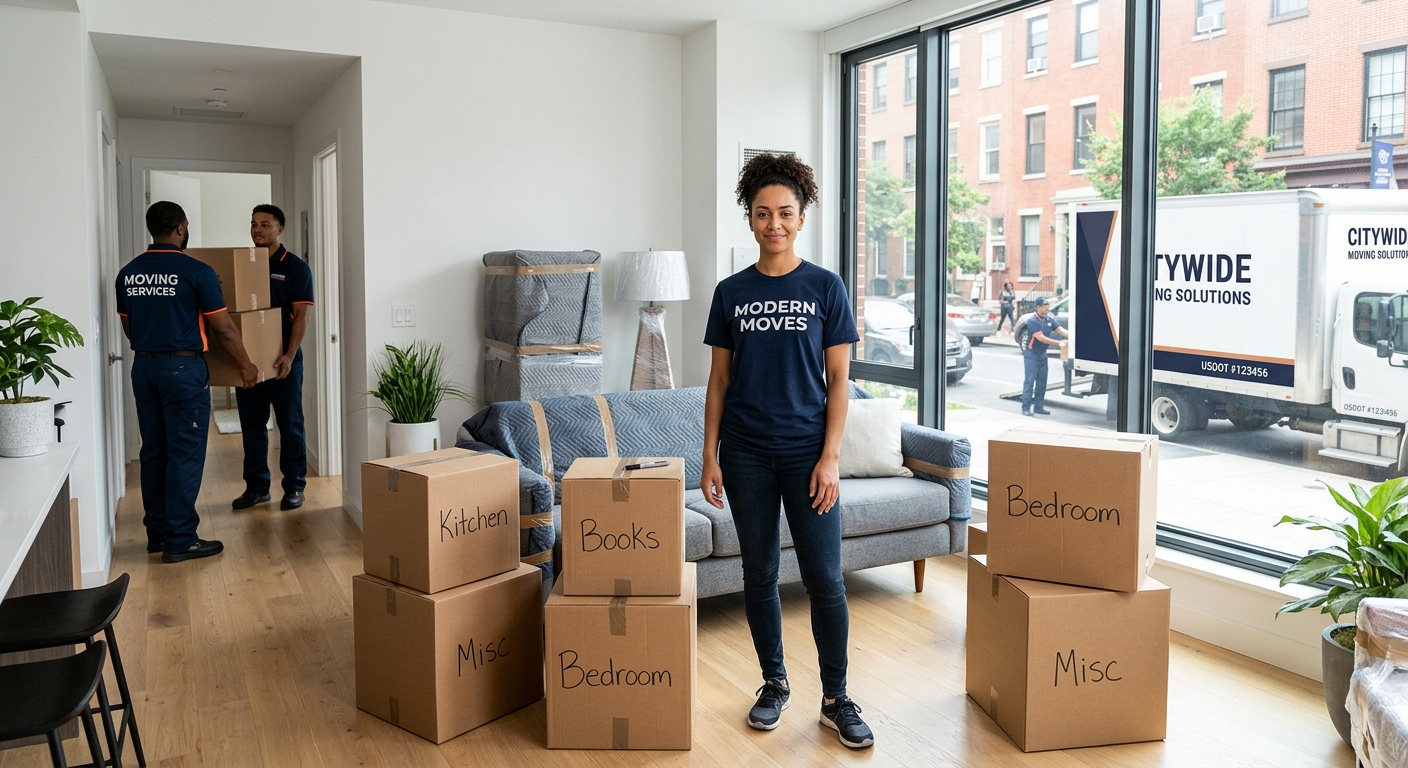
Moving to a new city alone is a big decision. You are not just changing your address; you are rebuilding your routine, social circle, and comfort zone from the ground up. That can feel exciting and overwhelming at the same time, especially when you are the only one coordinating every detail.
When you are relocating alone, every choice matters: the timing of your move, how you budget, the type of housing you choose, the way you pack, and the moving company you trust to transport everything you own. A solid plan can turn a stressful solo move into a manageable project you can handle step by step.
This practical guide from Atlas Route Moving is designed for people who are moving to a new city alone and want clear, realistic help. We will walk through how to choose a neighborhood, build a move budget, decide what to bring, prep for moving day, and settle into your new city with confidence.
Whether you are relocating alone for a job, school, a relationship change, or a fresh start, you will find checklists, timelines, and strategies you can use immediately. Along the way, we will also show where professional long-distance movers like Atlas Route Moving can help lighten the load without taking control away from you.
Key takeaways
- Create a written plan covering budget, housing, timeline, and logistics so you are not trying to make every decision on the fly.
- When moving to a new city alone, downsizing early reduces cost and stress; move only what fits your new space and lifestyle.
- Compare at least three written moving estimates, focusing on services included, valuation options, and access conditions, not just price.
- Pack a dedicated essentials box and personal carry-on bag so you can function comfortably for at least three days without the rest of your items.
- Use your first 30 days to build simple routines: groceries, gym, commute, and a few familiar spots that make the new city feel manageable.
- Plan intentional ways to connect with people through work, hobbies, volunteering, or local groups to avoid isolation after a solo move.
- Professional movers like Atlas Route Moving can handle heavy lifting, packing, and transport so you can focus on settling into your new life.
Why moving to a new city alone feels different
Every move has logistical challenges, but moving to a new city alone adds an emotional and practical layer that can surprise people. You are not just responsible for boxes; you are responsible for every decision, every form, and every phone call.
Key ways a solo move is different:
- No built-in backup: If a task is forgotten or something changes last minute, there is no roommate or partner to pick up the slack.
- Information overload: You are learning a new city while also managing leases, utilities, work changes, and a full relocation.
- Emotional whiplash: It is normal to feel proud and independent one day and lonely or overwhelmed the next.
- Time pressure: You are the one packing, updating documents, cleaning, and handling move-out and move-in rules.
Planning your solo move like a project gives you structure, so stress does not take over. Think in phases: research, budgeting, housing, logistics, packing, move day, and settling in.
Clarify your reasons and goals
Before you lock in dates or sign a lease, take an hour to write down why you are relocating alone and what you want life to look like in your new city. Clear goals will help you make smarter choices about budget, neighborhood, and timing.
Questions to ask yourself
- Am I moving for a specific job or school, or for a more general fresh start?
- How long do I expect to stay (one year, a few years, indefinitely)?
- Do I need easy access to public transportation or will I be driving?
- Is nightlife important, or do I prefer quieter, residential areas?
- What monthly rent or mortgage payment feels truly sustainable for my income?
Example goal statement: «I am moving to a new city alone for a job in the downtown area. My top priorities are a safe neighborhood, under 35 minutes from work, with walkable grocery options and a monthly rent under $1,800.»
Even a simple statement like this can keep you grounded when a shiny but impractical apartment pops up or when you are tempted to overspend on furniture or services.
Researching your new city before you move
Good research makes starting over in a new city feel much less overwhelming. Instead of arriving blind, you can come in with a short list of neighborhoods, housing options, and daily-life anchors.
Key research areas
- Neighborhoods: Safety, affordability, commute times, noise level, and overall vibe.
- Transportation: Parking rules, public transit routes, bike lanes, and traffic patterns.
- Cost of living: Typical rent, utilities, groceries, parking, and common local fees.
- Work and study: Office location, campus, or co-working spaces; realistic commute windows.
- Daily life: Closest grocery stores, pharmacies, gyms, coffee shops, and parks.
As you research, save notes in one place (a simple document or spreadsheet is enough) so you can compare neighborhoods side by side.
Pre-move scouting visit (if possible)
If your budget and schedule allow, visit your new city before the move. Walk potential neighborhoods at different times of day, test your future commute, and check building entrances and elevators.
- Walk the exact route from your potential building entrance to street parking or the loading zone.
- Look for stairs, tight turns, or elevator size limits that could affect your move.
- Note posted building rules about move-in hours or elevator reservations.
If you cannot visit in person, ask a friend, colleague, or future landlord to send quick videos of the building entrance, hallways, and unit layout. This helps your movers plan and helps you decide what furniture will realistically fit.
Budgeting for a solo move
For anyone relocating alone, cash flow is one of the biggest stress points. You are covering deposits, move expenses, and setup costs by yourself. A detailed budget puts you back in control and lets you see where professional help fits.
Major solo move cost categories
| Cost category | Typical examples | Ways to manage |
|---|---|---|
| Housing setup | Security deposit, first month, application fees, parking permit | Budget 1.5–2 months of rent up front |
| Moving services | Professional movers, truck, fuel, tolls, access fees | Get multiple quotes and adjust services (packing, storage) |
| Packing & supplies | Boxes, tape, bubble wrap, mattress bags, labels, tools | Plan a supply list and buy in fewer, larger trips |
| Travel & lodging | Flights, gas, overnight hotel if driving long distance | Choose off-peak travel days when you can |
| Setup & essentials | Utilities, internet, groceries, basic furniture, cleaning supplies | Prioritize essentials for first month; delay decor |
How moving distance and services affect cost
With moving to a new city, distance and service level are the biggest drivers of cost. A cross-town move within the same metro will look different from a cross-country relocation alone.
| Factor | How it affects cost | What you can control |
|---|---|---|
| Distance (local vs. long-distance) | Longer distance generally increases labor time and transport fees | Be flexible on dates; avoid peak days when possible |
| Move size (volume/weight) | More items take longer to move and may require larger trucks | Declutter aggressively before you pack |
| Packing level (DIY vs. full-service) | Professional packing adds cost but saves time and reduces risk | Mix DIY packing with pro packing for fragile or high-value items |
| Access (stairs, elevators, long walks) | Challenging access can increase labor time or require extra crew | Share accurate access details so your estimate is realistic |
| Timing (season and day of week) | Peak summer weekends can be in higher demand than midweek dates | If you can, choose non-peak days or seasons |
Atlas Route Moving offers a convenient moving cost calculator you can use to get a sense of how your move size and distance might affect your overall budget.
Solo move budget checklist
- Estimate housing setup costs (rent, deposits, application fees, parking).
- Collect 2–3 written estimates from professional movers.
- Add a line for packing supplies and optional professional packing help.
- Include travel costs for you (flight, gas, lodging, meals on the road).
- Set aside a «first month in the city» amount for groceries, transit passes, and basics.
- Add a cushion (often 10–15%) for unexpected expenses.
Choosing housing in a new city
Housing decisions will shape your budget, commute, and day-to-day experience. When you are moving to a new city alone, it is often safer to start with a flexible option (shorter lease or smaller space) until you know the city better.
Key housing decisions
- Rent vs. buy: Most solo movers rent at first, then reassess after 6–12 months.
- Studio vs. one bedroom: Studios can save money, but consider whether you need a dedicated work-from-home area.
- In-city vs. farther out: Living central can cost more but reduce transportation expenses and time.
- Roommates vs. living alone: Roommates can ease costs and loneliness, but you need clear boundaries.
Housing comparison table
| Option | Pros for solo movers | Potential trade-offs |
|---|---|---|
| Studio apartment | Lower rent, simpler to furnish and clean, fewer items to move | Less storage, less separation between work and rest areas |
| One-bedroom apartment | Separate sleeping and living/work spaces, more privacy for guests | Higher rent and potentially higher utilities |
| Room in shared housing | Lower costs, built-in social contact, shared utilities/furniture | Less control over noise, cleanliness, and guests |
Questions to ask landlords or property managers
- What are the exact move-in and move-out hours?
- Is there a freight elevator or a service elevator, and can it be reserved?
- Are there any move-in fees or deposits charged by the building?
- Is there dedicated parking or a loading zone for moving trucks?
- Are there restrictions on move dates (weekends only, no holidays, etc.)?
Sample email wording to ask about move-in logistics: «Hi [Name], I am planning a long-distance move and expect to arrive around [date]. Do you have any specific move-in rules, elevator reservations, or loading dock procedures that my moving company should know about?»
Deciding what to bring vs. sell or donate
When you are starting over in a new city, your belongings can either support your new routine or weigh you down. Downsizing is one of the most powerful tools a solo mover has to control costs and stress.
Room-by-room triage system
Use a simple four-category system for every item:
- Take (use often, fits new space, worth moving)
- Sell (higher-value items you can replace later if needed)
- Donate (useful items you no longer need)
- Recycle/trash (broken, expired, or unusable items)
Sample inventory decisions
| Item | Good to move? | Reasoning |
|---|---|---|
| Quality mattress (in good condition) | Usually yes | Expensive to replace; central to your comfort and sleep |
| Old or bulky couch (low-value) | Often no | Can be costly to move relative to its value or condition |
| Small kitchen appliances you use weekly | Usually yes | Support your everyday routine and may be pricey to replace |
| Rarely worn clothes or duplicates | Often no | Take up space and can be donated or resold |
Decluttering checklist for solo movers
- Start with the easiest categories (paper clutter, expired items, duplicates).
- Schedule one or two donation drop-off days before your move.
- Take photos of sentimental items you do not realistically want to move.
- Measure key furniture against your new floor plan or approximate layout.
- Ask your moving company how downsizing could change your estimate.
Planning logistics with professional movers
For many people moving to a new city alone, professional movers are not a luxury; they are a way to move safely without depending on friends or trying to lift heavy furniture solo. The key is choosing the right service level for your budget and comfort.
Comparing moving service options
| Service level | What it typically includes | Best for |
|---|---|---|
| Basic loading and transport | Movers load your packed boxes and furniture, drive, and unload | Solo movers comfortable with full DIY packing |
| Partial packing services | Movers pack fragile or specific rooms; you pack the rest | People short on time who want pros on breakables |
| Full-service move | Packing, loading, transport, unloading, and basic furniture setup | Busy solo movers who want to minimize disruption |
Atlas Route Moving offers long-distance moving services designed for individuals relocating alone as well as families. Our crews can handle packing, loading, and transport while you focus on housing, work, and your first days in a new city.
How to compare moving estimates
- Request a detailed, written estimate from each mover, not just a verbal ballpark.
- Confirm whether the estimate is binding, non-binding, or binding-not-to-exceed.
- Check exactly which services are included (packing, materials, disassembly/reassembly).
- Mention any stairs, elevators, long carries, or parking challenges at both locations.
- Ask about available valuation coverage and what it does and does not protect.
Sample question to ask movers: «Is this estimate based on a virtual or in-person walkthrough of my belongings, and what could cause the final cost to change?»
How to prepare before movers arrive
Once you have booked your movers, your most important job is preparation. The better you prepare, the smoother your moving day will go, especially when you do not have another household member helping.
4–6 weeks before your move
- Confirm your move date and arrival window in writing with your moving company.
- Check building rules for both your current and new home (elevators, loading docks).
- Continue decluttering and finalize what is being moved vs. sold/donated.
- Start packing non-essential items (off-season clothes, decor, books).
1–2 weeks before your move
- Label every box clearly with room, key contents, and «Fragile» if needed.
- Separate an «essentials» box that will be last on the truck and first off.
- Arrange time off work or flexible hours on move day and delivery day.
- Confirm details like parking, building access, and elevator reservations.
Day-before checklist
- Finish packing personal items you will carry yourself (documents, electronics, medication).
- Unplug and defrost refrigerator and freezer if needed, following manufacturer guidance.
- Disassemble basic furniture if that is part of your plan (unless movers are handling it).
- Lay out snacks, drinks, and cleaning supplies for move day.
Use simple labels such as «Bedroom – Closet – Seasonals» or «Kitchen – Everyday Dishes» rather than vague categories like «Misc.» This makes unpacking alone much less stressful.
Moving day checklist for solo movers
Moving day is where all your planning comes together. When you are the only decision-maker on-site, a clear checklist keeps you in control and avoids last-minute scramble.
What to keep with you (do not pack on the truck)
- Wallet, keys, phone, chargers, and backup battery pack
- Important documents (ID, passport, lease, job/school papers)
- Medication and basic first-aid items
- Small valuables and irreplaceable keepsakes
- One to three days of clothing and toiletries
- Laptop, tablet, and other personal electronics
Think of it as packing for a 3-day trip. If the truck is delayed for any reason, you will still be able to function comfortably.
Sample moving-day timeline
| Time | Task | Notes for solo movers |
|---|---|---|
| 7:00–8:00 a.m. | Wake up, eat, final tidy, set aside essentials bag | Hydrate and have snacks ready; you may not have time for a full lunch |
| 8:00–9:00 a.m. | Movers arrive, quick walkthrough, confirm inventory | Point out items not going on the truck and any fragile pieces |
| 9:00 a.m.–12:00 p.m. | Loading and furniture disassembly (if included) | Stay available for questions and decisions about what goes where |
| 12:00–1:00 p.m. | Final walkthrough of old home, basic cleaning, lock up | Check closets, cabinets, and outlets one last time |
| Travel time | Drive or fly to your new city | Keep your essentials bag accessible at all times |
At your new home
- Meet the crew and confirm that building access and elevators are ready.
- Do a quick walkthrough to note any pre-existing issues with the space.
- Direct boxes to the right rooms to make solo unpacking easier.
- Assemble the bed and set up basic lighting first; comfort matters your first night.
Settling in during your first 30 days
Once the boxes are in, your move is not truly «over» yet—especially when you are starting over in a new city. The first month is about turning an unfamiliar place into a functional home and building habits that support your new life.
Week 1: Make your home livable
- Set up your bed, shower, and a basic kitchen first (coffee, simple meals, dishes).
- Unpack essentials by room rather than jumping between boxes randomly.
- Confirm that utilities and internet are working and set up any missing services.
- Walk or drive your commute route during typical rush hours to set expectations.
Week 2: Handle paperwork and logistics
- Update your address where needed (employer, bank, subscriptions, important accounts).
- Check local rules for driver's license, vehicle registration, or voter registration timelines.
- Make a list of local service providers you may need (doctor, dentist, hair, vet if applicable).
- Note trash/recycling days and building rules so you avoid fines or issues.
Weeks 3–4: Begin building routine and connections
- Pick a regular grocery store, coffee shop, or park you visit weekly.
- Look for one or two recurring activities (fitness classes, clubs, events) that interest you.
- Schedule one low-pressure social plan if you know anyone in town, or join a group event aligned with your hobbies.
- Take a few exploratory walks or drives in different directions from your home.
Think of your first month less as «finishing the move» and more as «designing my new daily life.» Small, consistent steps matter far more than trying to do everything at once.
Building routine and community in a new city
One of the hardest parts of moving to a new city alone is rebuilding your sense of belonging. It rarely happens overnight. Instead, it grows from repeated small interactions and routines.
Focus on a simple weekly structure
- Work/study anchor: Clear start and end times for your work or classes.
- Movement: Walks, runs, or gym sessions that you schedule like appointments.
- Errand time: A predictable block for groceries, laundry, and basics.
- Connection time: One or two windows each week to message friends, call family, or attend something local.
Example: «Mondays and Wednesdays, I go to a nearby gym after work. Tuesday evenings I explore a new coffee shop. Saturday mornings I go to the same farmers market.»
Low-pressure ways to meet people
- Join a local class or group connected to a hobby you already enjoy.
- Attend community events at libraries, parks, or community centers.
- Volunteer for a cause that matters to you; shared purpose makes conversation easier.
- Consider co-working spaces if you work remotely and want a social environment.
It is normal for building new friendships to take months, not days. Give yourself credit for small steps like saying hello to a neighbor or chatting with a barista. These moments are the building blocks of community.
Common solo moving mistakes and how to avoid them
When relocating alone, it is easy to overlook details that a second person might catch. Being aware of common mistakes can help you sidestep avoidable stress.
Frequent solo move mistakes
| Mistake | Why it causes problems | How to avoid it |
|---|---|---|
| Underestimating move size | Estimates can be off if movers do not see everything you are moving | Provide photos or a detailed list; do a virtual or in-person walkthrough |
| Not checking building rules | You may face delays, fees, or be unable to move at your chosen time | Confirm written rules for move-in and move-out early in planning |
| Packing at the last minute | Rushed packing leads to broken items and chaotic unpacking | Follow a packing timeline; consider pro packing for fragile items |
| Forgetting an essentials kit | You arrive tired and cannot easily find basics like sheets or toiletries | Pack an essentials box and a personal bag you keep with you |
| Trying to DIY everything | Physical strain and burnout, especially if you have a tight work schedule | Use professional movers for heavy lifting or for the whole move |
Checklist: Final review before your solo move
- Do I have a realistic written budget and some emergency cushion?
- Have I confirmed move-in rules and elevator reservations for both locations?
- Did I declutter and finalize what is being moved vs. sold or donated?
- Have I compared moving estimates and understood what each includes?
- Is my essentials bag packed and clearly separated from the rest?
- Do I have a basic plan for my first week in the new city?
Frequently asked questions
How far in advance should I plan when moving to a new city alone?
If you are planning a solo move, start 6–8 weeks before your target move date whenever possible. That gives you time to research neighborhoods, secure housing, compare moving estimates, declutter, and pack without rushing. For peak summer or long-distance moves, more lead time is better.
Is it better to move with professional movers or DIY when relocating alone?
It depends on your budget, distance, and how much you are moving. For small local moves with minimal furniture, DIY can work. For long-distance moves, heavier items, or apartments with challenging access, professional movers can reduce risk and physical strain. Many solo movers choose a hybrid option: pros handle transport and heavy items while they pack most boxes themselves.
How can I estimate costs when moving to a new city alone?
List all major categories: housing deposits, moving services, packing supplies, travel, and first-month essentials. Request at least two or three written estimates from movers. Tools like the Atlas Route Moving moving cost calculator can help you understand how distance and volume affect price.
What should I not move when starting over in a new city?
Avoid moving low-value, bulky items that are expensive to transport compared with their worth—worn-out sofas, damaged furniture, very old mattresses, or duplicates you rarely use. Also check for restricted items such as certain chemicals, flammables, or perishable foods, which movers typically cannot transport.
How do I handle move-in day if my belongings arrive before I do?
It is usually best to arrive before or at the same time as your shipment so you can direct the crew and sign paperwork. If timing forces your belongings to arrive first, coordinate with your building and your moving company well in advance to discuss options such as storage or adjusted delivery dates, and get any alternative arrangements in writing.
How can I feel less lonely after moving to a new city alone?
Plan for social connection like you plan your budget. Keep regular phone or video calls with friends and family, and schedule at least one weekly activity that puts you around people in your new city (a class, meet-up, or volunteer shift). Establishing routines at the same coffee shop, gym, or park can also lead to natural, low-pressure interactions.
What should I do first after I arrive in my new city?
Start with the basics: get your bed set up, stock some groceries and toiletries, and confirm utilities and internet are working. Then test your commute, note trash and recycling schedules, and identify nearby essentials like a pharmacy and gas station. This gives you a foundation of security and comfort before you focus on deeper social or career goals.
How can Atlas Route Moving help with my solo move?
Atlas Route Moving offers local and long-distance moving services for people relocating alone or with others. We can assist with packing, loading, transport, and unloading, and we work with you to understand access challenges, timing, and your priorities so your move supports the life you are building in your new city.
How Atlas Route Moving can support your solo move
When you are moving to a new city alone, it helps to have a professional team that treats your relocation with the same care you do. Atlas Route Moving focuses on clear communication, realistic planning, and careful handling of your belongings so you can spend more energy on the life transition, not just the logistics.
Here are a few ways our services can support your solo relocation:
- Long-distance moving: Coordinated pickup and delivery for interstate or cross-country moves, with attention to timing, access, and your schedule.
- Packing services: From full-home packing to just your kitchen and fragile items, our crews can reduce the time and stress of boxing up everything alone.
- Storage options: If your move-out and move-in dates do not line up, or if you want to phase your move, secure storage can bridge the gap.
- Apartment and house moves: Experience with stairs, elevators, tight hallways, and building rules across a range of property types.
Helpful Atlas Route Moving services
For more planning ideas and checklists beyond this guide, you can explore the Atlas Route Moving blog, where we cover topics like packing strategies, budgeting, and preparing for specific move types.
Related moving guides
Ready to plan your solo move?
If you are ready to take the next step, Atlas Route Moving can help you plan timelines, estimate costs, and choose the right level of support. You can review our full range of moving services, check our service areas, use the moving cost calculator, or request a free moving quote to talk through your specific plans.
Sources referenced in this guide
Guidance in this article is informed by general consumer information from sources such as Federal Motor Carrier Safety Administration consumer guidance, U.S. Department of Transportation moving guidance, state transportation and consumer protection agencies, typical building management move-in and move-out requirements, and standard written moving estimates, carrier tariffs, and service agreements used across the moving industry.
This guide is general moving information, not legal, insurance, or regulatory advice. Moving requirements, pricing, access rules, and coverage options may vary by location, move type, building rules, and service agreement.