
Moving Day Tips: What to Expect and How to Prepare
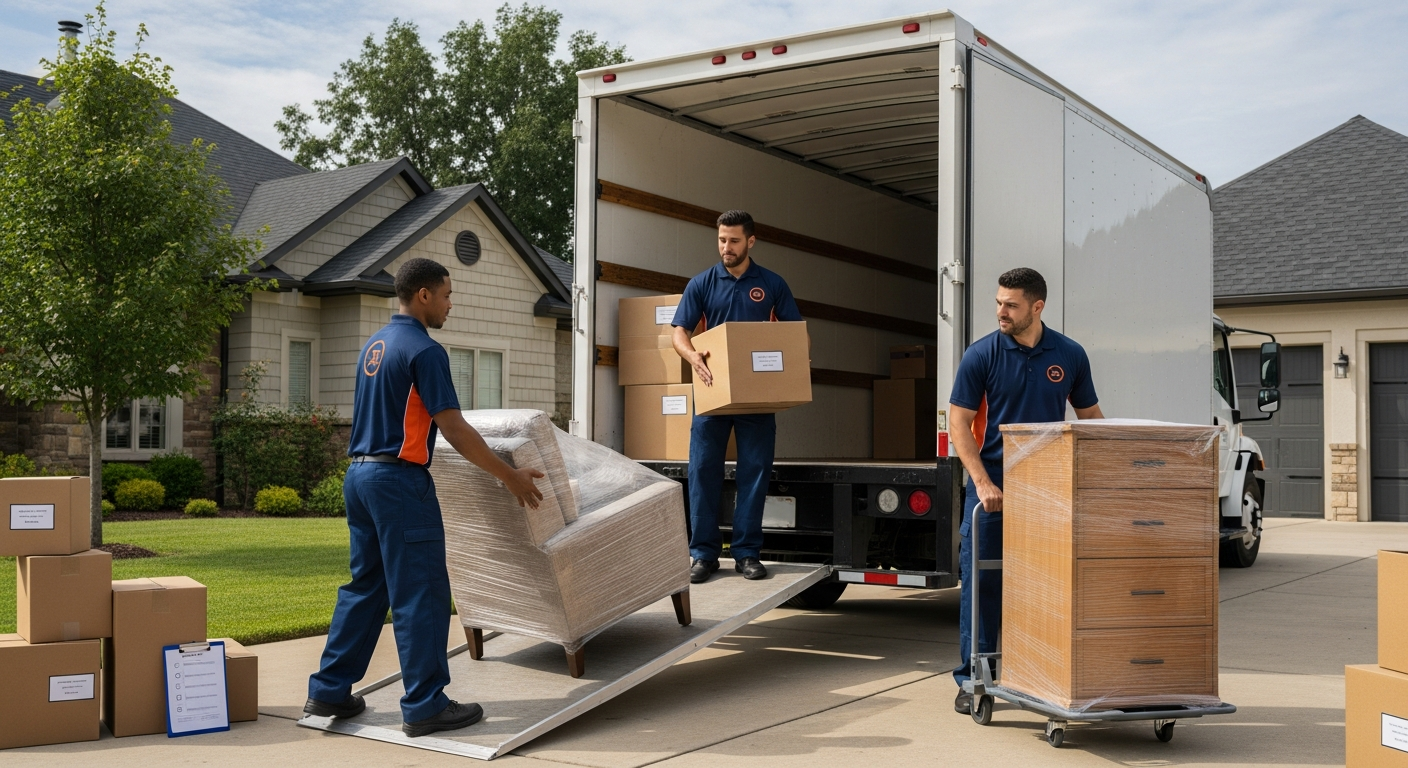
Moving day is the finish line of weeks of planning, packing, and organizing. It is also the part of the move that most people feel the most nervous about. You may be wondering exactly what to expect on moving day, how to prepare your home for a professional crew, what you should keep with you, and how to avoid last‑minute stress.
With the right moving day tips, you can turn a potentially chaotic day into a focused, manageable process. Knowing when your movers will arrive, how they will protect your home and belongings, what they need from you, and how the timeline usually unfolds helps you feel in control from the first knock on the door to the final box leaving the truck.
This guide from Atlas Route Moving walks through what actually happens on moving day, step by step. You will find a detailed moving day checklist, packing and access prep, what to keep with you instead of loading on the truck, how to handle payment and tipping, and when full-service options like local moving services can make the day smoother.
Use this as a practical field guide: keep it open on your phone or printed out so you can quickly double-check your plan as the moving crew works. The more prepared you are before they arrive, the faster and more efficient your move is likely to be.
Key takeaways
- Confirm arrival time, parking, and payment details with your mover a day or two before moving day.
- Finish most packing before the crew arrives and clearly label boxes by room and priority.
- Keep essentials, valuables, important documents, and medications with you, not on the truck.
- Clear walkways, reserve elevators if needed, and protect floors where heavy items will move.
- Do a final walk-through checklist before the truck leaves to avoid leaving items behind.
- Plan how you will handle payment and tips, including cash or card arrangements.
- Use a written moving day checklist so you are not relying on memory during a busy day.
What to expect on moving day with professional movers
Understanding what to expect on moving day makes it easier to stay calm and organized. While every move is unique, professional movers generally follow a predictable sequence.
Arrival and walk-through
On moving day, your crew will typically call or text when they are on the way. Once they arrive, the crew leader will introduce the team and do a quick walk-through of your home with you.
- Identify high-priority items and rooms to load first.
- Point out fragile pieces, special handling needs, or items not going on the truck.
- Review access points, stairwells, elevators, and parking.
- Confirm the destination address and any second stops (storage, donation, etc.).
You might say: “These three boxes are going with us in the car. Everything else in the living room and bedrooms goes on the truck, and the sectional sofa is going into storage.”
Protection of home and furniture
Before loading begins, the crew usually protects your home and furniture:
- Floor runners or blankets in high-traffic pathways
- Padding for door frames and stair railings where needed
- Moving blankets, shrink wrap, and pads for furniture
- Disassembly of beds or large items when required
Atlas Route Moving crews focus on careful handling and organization, but your preparation still plays a major role in how smoothly the day goes.
Loading the truck
The crew will then begin loading, often starting with the largest items and working toward smaller boxes:
- Furniture and appliances loaded first and secured with straps
- Heavier boxes placed on the bottom, lighter and fragile items on top
- Room-by-room clearing to keep things organized
During this time, your main job is to stay available for questions, keep walkways clear, and manage anything you are taking with you.
Final sweep and paperwork
Once everything is loaded, you and the crew leader should walk through each room to make sure nothing is left behind and all windows and doors are secured. You will review and sign any final paperwork and confirm the plan for arrival at your new home.
If you are using local moving services for a same-day move, you will usually meet the crew again at your new home within a short window, depending on drive time and traffic.
Typical moving day timeline
Every move is different, but reviewing a typical timeline helps you plan food, childcare, pet care, and your own energy level. Here is a sample timeline for a standard two- to three-bedroom local move with a professional crew.
| Time | Activity | Your Role |
|---|---|---|
| 7:00–8:00 a.m. | Final packing, move essentials to car, breakfast | Pack last items, secure pets, clear driveways and walkways |
| 8:00–9:00 a.m. | Crew arrival, walk-through, home protection setup | Give instructions, identify fragile and do-not-pack items |
| 9:00 a.m.–12:00 p.m. | Loading truck, disassembly, wrapping furniture | Stay available, manage kids and pets, keep paths clear |
| 12:00–1:00 p.m. | Final sweep, paperwork, depart for new home | Walk through rooms, lock up, travel to destination |
| 1:00–4:00 p.m. | Arrival, unload, reassembly at new home | Direct items to rooms, confirm placement of key furniture |
| 4:00–5:00 p.m. | Final checks, payment, crew departure | Pay invoice, handle tips, review any notes with crew leader |
Long-distance or larger home moves may spread across longer hours or multiple days, but the sequence of walk-through, protection, loading, travel, unloading, and final walk-through is similar.
Moving day prep: how to get your home ready for movers
Thoughtful moving day prep directly impacts how efficient and stress-free your day will feel. The goal is to create a safe, clear workspace where movers can work quickly and protect your belongings.
24–48 hours before moving day
- Confirm arrival window, payment method, and contact numbers with your mover.
- Finish as much packing as possible, except true last-minute essentials.
- Defrost, clean, and dry the refrigerator and freezer if they are being moved.
- Disconnect and drain washing machines, dishwashers, and any appliances the crew will move.
- Remove items from dresser tops, nightstands, and countertops to keep surfaces clear.
- Set aside a clearly marked “Do Not Load” area for items staying with you.
A simple label like “DO NOT LOAD – CAR ONLY” on a small table or corner can save confusion when the crew is moving quickly.
Morning-of moving day prep
- Walk the exterior of your home to check for ice, snow, leaves, or obstacles on walkways.
- Move vehicles so the truck can park as close as possible.
- Secure pets in a quiet room or have them stay with a friend for the day.
- Set the thermostat to a comfortable temperature so movers are not working in extreme heat or cold.
- Pack a small cleaning kit for final touch-ups once rooms are empty.
Safety and access checklist
- Clear all stairs and hallways of boxes and loose items.
- Remove hanging pictures or mirrors in tight hallways where they might be bumped.
- Fold up or tape down rugs that could cause trips.
- Ensure exterior doors open fully and are not blocked by snow, debris, or stored items.
Last-minute packing and labeling tips for moving day
Your packing choices show up clearly in how smooth your move feels. Even if you have done most of your prep, a few last-minute packing details on moving day can make unloading and settling in much easier.
Labeling strategy that helps movers and you
Use clear, simple labels on at least two sides and the top of each box:
- Room: “Kitchen,” “Bedroom 1,” “Office,” etc.
- Priority: “Open First,” “Week 1,” or “Storage.”
- Special notes: “Fragile,” “Heavy,” or “This Side Up.”
Color-coded tape or stickers by room can make moving day even smoother, especially in larger homes or apartment buildings.
Last-minute items to pack morning-of
Most items should be packed before moving day, but there are always a few that have to wait. Use a dedicated “last box” for each person or for the household.
- Toiletries and shower items
- Sheets and bedding from your final night
- Charging cables and power strips
- Favorite toys or comfort items for kids
- Coffee maker or electric kettle and basic mugs
Write “LAST BOX – OPEN FIRST” in large letters so you and the movers understand its importance.
When professional packing can help
If you are running behind on packing or are not comfortable packing fragile or high-value items, consider using professional packing services. A packing crew can often pack an entire apartment or house in significantly less time than most people expect, freeing you to focus on logistics and family needs.
Access, parking, and building rules
One of the most overlooked sets of moving day tips involves access and parking. Even a highly skilled moving crew can lose a lot of time if the truck cannot park nearby or if elevator reservations are missing.
Planning for street or driveway parking
- Check if your neighborhood or city requires temporary parking permits for moving trucks.
- Ask neighbors if they can avoid parking in front of your home on moving day.
- Move your own vehicles to open up the closest spots for the truck.
The closer the truck, the fewer steps per item and the faster loading and unloading can be.
Apartment and condo building requirements
Many buildings have specific move-in and move-out rules. Review them several days before your move:
- Elevator reservation times and forms
- Required certificates of insurance from your moving company
- Allowed moving hours and any blackout times
- Designated loading docks or entrances
- Rules for floor or wall protection in common areas
Providing this information early allows your moving company to be prepared and may prevent delays or fines.
Access planning quick reference table
| Access Area | What to Check | When to Confirm |
|---|---|---|
| Driveway or street | Parking permits, clearance for truck, snow/ice removed | 2–3 days before, then morning-of |
| Building entrance | Loading zones, door height and width, ramps vs. stairs | 1 week before |
| Elevator | Reservation time, padding requirements, capacity limits | At least 1 week before |
| HOA or building rules | Allowed hours, insurance, deposits or fees | At booking, then 1 week before |
Moving day checklist: room-by-room
A written moving day checklist keeps you from forgetting small but important tasks in the rush. Use this room-by-room list as a starting point and customize it for your home.
Whole-house checklist
- Confirm mover arrival time and contact number.
- Put essentials and valuables in your car, not in the moving area.
- Take photos of valuable items and existing furniture condition if desired.
- Empty trash cans so they are not accidentally loaded with garbage inside.
- Check that smoke detectors and thermostats are either left or removed according to your plan.
Kitchen checklist
- Empty and dry refrigerator, freezer, and dishwasher.
- Pack remaining pantry items and label “Perishable” if needed.
- Set aside snacks, water, and disposable plates for moving day.
- Wipe down counters once boxes are moved out.
Bedroom checklist
- Strip beds and pack bedding in clearly labeled bags or boxes.
- Confirm nothing is stored under beds or on closet shelves.
- Remove hanging pictures or mirrors that could be bumped.
- Pack a small bag for each family member with a change of clothes, pajamas, and toiletries.
Bathroom checklist
- Pack remaining toiletries and shower items except what you need for your final use.
- Empty medicine cabinets and drawers.
- Set aside a small “first-night” bathroom kit: toilet paper, hand soap, towels.
Garage, storage, and outdoor areas
- Bundle long items like rakes, brooms, and shovels with tape or cord.
- Empty fuel from lawn mowers, grills, and gas-powered tools.
- Check ceiling rafters and wall hooks for stored items.
- Remove propane tanks, chemicals, and flammables from the move load. These usually cannot go on the truck.
As the crew finishes each room, do a final scan: open each closet, cabinet, and drawer. This simple practice is one of the most reliable moving day tips for avoiding forgotten items.
What to keep with you instead of loading on the truck
One of the most important tips for moving day is deciding what not to send on the truck. Keep critical, irreplaceable, or highly personal items with you in your own vehicle.
Essentials and first-night box
- Medications for all family members and pets
- Phone chargers, laptops, tablets, and small electronics
- Important documents: IDs, passports, birth certificates, closing or lease papers, insurance documents
- Basic tools: screwdriver, utility knife, tape, small hardware kit
- Toiletries and a towel for each person
- Change of clothes and pajamas
Valuables and sensitive items
- Jewelry, watches, and small valuables
- Cash, checks, and financial records
- Sentimental items like family photo albums or heirlooms, especially small or fragile ones
- Hard drives, backup devices, and personal documents with sensitive information
Items movers usually cannot take
Most moving companies are not allowed to move certain hazardous or perishable items. Check your paperwork, but typically these should stay off the truck:
- Propane tanks, gasoline, and lighter fluid
- Paint, solvents, and certain cleaning chemicals
- Fireworks, ammunition, or firearms (subject to laws and company policies)
- Perishable food, especially items needing refrigeration
Ask your moving coordinator if you are unsure about a particular item. Planning this before moving day helps avoid last-minute surprises.
How to communicate with your moving crew
Clear communication is one of the most undervalued moving day tips. A professional crew wants to understand your priorities and preferences so they can serve you effectively.
Before work begins
- Introduce yourself and any other decision-makers on site.
- Explain your priorities: items you are most concerned about, rooms to load first, and any tight deadlines.
- Walk through “Do Not Load” items and areas.
You can say: “These boxes are fragile and should go on top. The baby’s crib needs to go on the truck last so it can come off first at the new home.”
During loading and unloading
- Stay available, but let the crew work their system.
- Answer questions about placement at your new home.
- If you notice a concern, address it with the crew leader calmly and directly.
At the destination
- Stand near the entrance and direct boxes to the correct rooms using your labels.
- Ensure beds, major furniture, and any disassembled items are reassembled if that is part of your service.
- Ask the crew to adjust the placement of heavy furniture while they are still on site.
When everyone understands the plan, the day feels smoother and more organized.
Costs, payment, and tipping etiquette on moving day
Knowing what to expect for costs and tipping on moving day prevents awkward moments and helps you budget realistically.
Cost factors that show up on moving day
While most of your quote is based on details you provided earlier, a few variables can influence the final cost, especially for local moves billed by the hour.
| Cost Factor | How It Affects You | How Preparation Helps |
|---|---|---|
| Packing completion | Unfinished packing can add time or require extra packing services. | Finish boxes before arrival and label clearly. |
| Access and distance | Long walks, stairs, or poor parking access can extend your move time. | Reserve parking and elevators; clear paths. |
| Special items | Pianos, safes, or complex gym equipment may require extra time or add-ons. | Tell your mover in advance and be ready on moving day. |
| Last-minute changes | Adding stops or items may change time or cost. | Share all destinations and items during the quote process. |
Using tools like the Atlas Route Moving moving cost calculator and detailed quotes can help you understand these factors before moving day.
Payment timing and methods
Ask your move coordinator before moving day how and when payment is handled. Common approaches include:
- Payment in full at the end of the move for local moves
- Deposit before moving day and balance on delivery for some long-distance moves
- Accepted methods: credit card, debit card, cash, or cashier’s check (varies by company)
Have your chosen payment method ready so you are not searching for cards or cash while the crew is waiting.
Tipping etiquette for moving crews
Tipping is not mandatory, but it is common when customers feel the crew worked hard and provided good service. There is no single correct amount, but some general guidelines for tips for moving day include:
- For smaller local moves: a flat amount per mover (for example, a modest per-person tip) depending on complexity and service.
- For larger or all-day moves: consider a higher per-mover amount, especially in difficult conditions (many stairs, extreme weather, or heavy specialty items).
- For long-distance moves with different crews at each end: you might tip the loading crew and the unloading crew separately.
You can hand tips to the crew leader to distribute or give them directly to each mover. If you are unsure what feels appropriate, you can always ask your move coordinator for general guidance, understanding that it is ultimately your choice.
Common moving day mistakes and how to avoid them
Even well-prepared moves can run into snags. Learning from common mistakes is one of the smartest moving day tips you can use.
| Common Mistake | What Can Happen | How to Prevent It |
|---|---|---|
| Packing on moving morning | Crew waits, move takes longer, stress increases. | Finish almost all packing 1–2 days before; only true essentials remain. |
| No “Do Not Load” area | Keys, documents, or essentials end up on the truck. | Create a clearly marked corner or room for car-only items. |
| Poor labeling | Boxes end up in the wrong rooms; unpacking is harder. | Label room and priority on multiple sides of each box. |
| Forgetting building rules | Delays, fines, or move rescheduling. | Confirm elevator and move-in rules at least a week ahead. |
| Skipping final walk-through | Items left behind in closets or garages. | Walk every room with lights on after truck is loaded. |
Being aware of these pitfalls turns your moving day checklist into a powerful tool instead of a suggestion list.
How Atlas Route Moving supports a smoother moving day
Choosing the right moving company makes a real difference in how your moving day feels. Atlas Route Moving provides licensed and insured professional crews for local and long-distance moves, with a focus on careful handling, clear communication, and organized workflows.
Service options that shape your moving day
- Local moving services for apartment and house moves within your metro or region.
- Long-distance moving services for interstate or cross-state relocations.
- Professional packing services if you want help with all or part of your packing.
- Secure storage services when you need short- or longer-term storage between homes.
Our coordinators help you understand what to expect on moving day based on your specific home, inventory, and schedule. That guidance, combined with the moving day tips in this guide, can help reduce last-minute stress.
Helpful Atlas Route Moving services
Comparing your options before booking
When you compare movers, look beyond price alone. On a day as important as moving day, reliability and clear expectations matter:
- Ask how arrival windows are handled and how the company communicates any delays.
- Confirm what is included: disassembly, basic protection, shrink wrap, and reassembly.
- Review valuation coverage and how claims are handled if something is damaged.
- Check that the company is properly licensed and insured for your move type.
The Atlas Route Moving team can walk you through these points when you request a quote, so you understand your options before moving day arrives.
CTA: plan your next moving day with Atlas Route Moving
If you are planning a local move and want a crew that values preparation and communication, explore Atlas Route Moving’s local moving services. You can review all available moving services, check our service areas, use the online moving cost calculator, or request a free moving quote when you are ready.
Related moving guides
For additional planning resources, you can also explore the Atlas Route Moving blog for more moving checklists and guides.
Frequently asked questions
How early should I be ready before the movers arrive?
Aim to have all boxes packed (except true last-minute items) and your home cleared for access at least one hour before the crew’s arrival window. That gives you time for breakfast, final bathroom use, and moving last essentials to your car without rushing.
Do I need to be there the whole time on moving day?
Yes, an adult decision-maker should be present throughout the move to answer questions, sign paperwork, and direct the crew. If you must step out briefly, make sure the crew leader has your cell phone number and clear instructions.
Should I empty dressers and drawers before moving day?
In most cases, dressers should be mostly or completely emptied to reduce weight and prevent items from shifting. Lightweight clothing can sometimes stay, but remove anything fragile, heavy, or loose. Ask your moving company for their specific policy.
What should I do with pets on moving day?
Moving day can be stressful and confusing for pets. Keep them in a quiet, closed room away from the action, place them in a crate, or arrange for them to stay with a friend or at a pet daycare. This keeps them safe and prevents escapes.
How clean does my home need to be for the movers?
Movers do not require a spotless home, but cleared floors, organized boxes, and clean, dry surfaces are important for safety and efficiency. You can do a deeper clean after the truck is loaded or schedule cleaners for later the same day.
Can movers disconnect my appliances on moving day?
Some movers can disconnect simple appliances, but others require everything to be disconnected, drained, and ready before they arrive. Confirm this in advance with your moving coordinator so you know what to handle yourself or with a technician.
What if it rains or snows on moving day?
Most moves proceed in light rain or snow, with crews using extra floor protection and padding. In severe weather, the company may need to adjust timing for safety. Prepare by having towels, floor runners, and plastic wrap available if conditions look wet.
When and how should I tip movers?
If you choose to tip, it is usually done at the end of the move after you see the full service. You can give a single amount to the crew leader to divide or hand individual tips to each mover. Cash is common, though some people add a tip when paying by card if the system allows it.
What if I realize I forgot something after the truck leaves?
Call your moving company right away. If the item is still in your old home, you may be able to retrieve it yourself or arrange a return. If it is on the truck, inform your coordinator so it can be located and discussed at delivery. This is why a final walk-through is so important.
How can I reduce stress for kids on moving day?
Prepare kids ahead of time, pack a special bag with favorite snacks and toys, and set up a quiet “kid zone” away from heavy traffic areas. If possible, arrange for a relative or friend to spend time with them during the heaviest loading and unloading.
Sources referenced in this guide
This guide is based on the practical experience of professional moving crews and coordinators, along with general consumer guidance from:
- Federal Motor Carrier Safety Administration consumer guidance
- U.S. Department of Transportation moving guidance
- State transportation and consumer protection agencies
- Building management move-in and move-out requirements
- Written moving estimates, bills of lading, and service agreements
- Carrier tariffs, valuation options, and standard moving industry practices
This guide is general moving information, not legal, insurance, or regulatory advice. Moving requirements, pricing, access rules, and coverage options may vary by location, move type, building rules, and service agreement.