
Moving Out for the First Time: A Beginner’s Checklist
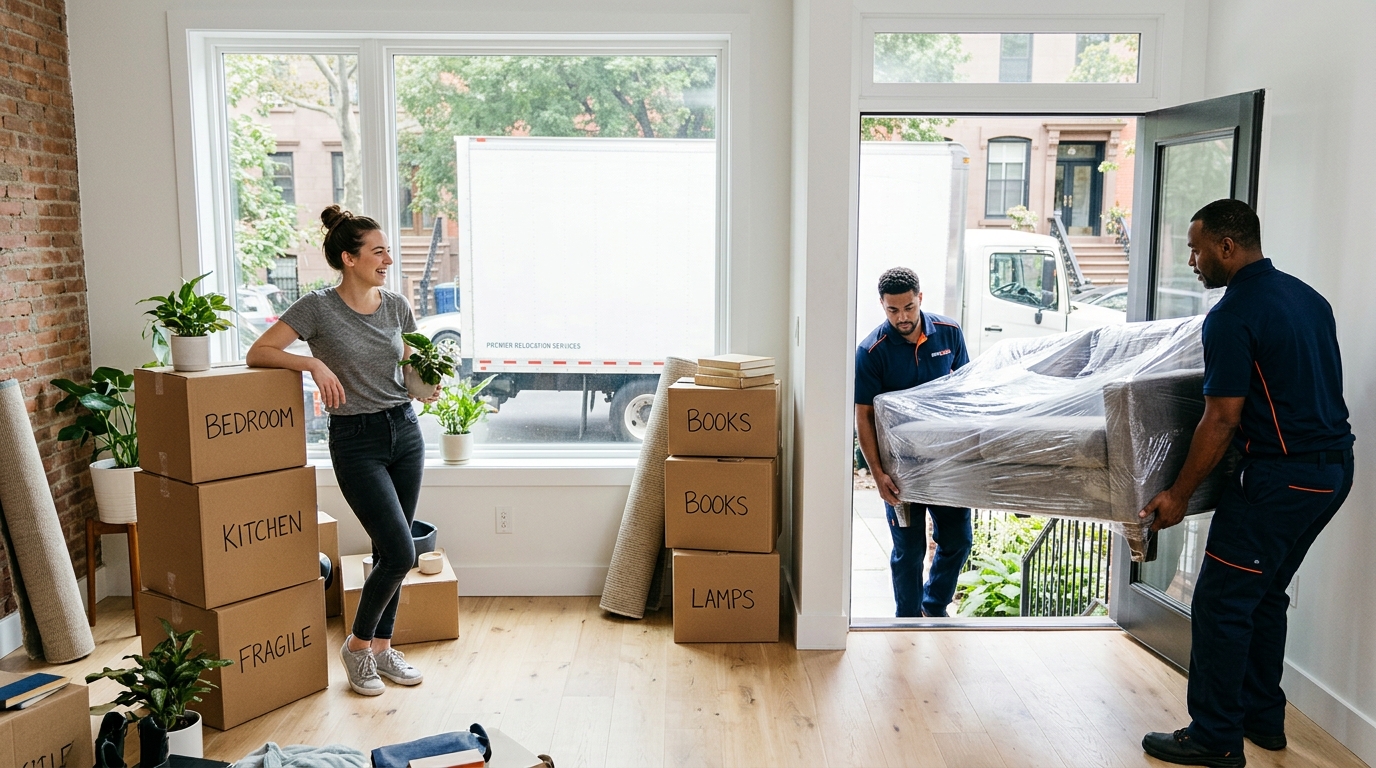
Moving out for the first time is a big milestone. It is exciting, a little overwhelming, and full of decisions you may have never had to make before: leases, utilities, movers, boxes, budgets, and what you actually need to buy for your first apartment or room.
Without a clear plan, first-time renters often run into the same problems: underestimating costs, forgetting essentials, booking movers too late, or realizing on move-in day that the sofa will not fit through the stairwell. A bit of structure now will save you money, time, and stress later.
This beginner-friendly guide from Atlas Route Moving walks you step by step through moving out for the first time. You will get a practical checklist, a realistic budget breakdown, packing tips, must-have essentials, and guidance on when it makes sense to bring in professional movers versus doing it yourself.
By the end, you will understand what to do in the weeks before your move, how to compare moving options, which essentials to buy first, how to avoid common rookie mistakes, and how a licensed and insured company like Atlas Route Moving can support your first move without adding pressure or surprises.
Key takeaways
- Start planning your first move 6–8 weeks in advance so you have time to budget, book services, and gather essentials.
- Separate your budget into one-time move costs, move-in costs, and ongoing monthly expenses to avoid surprises.
- Focus your first apartment checklist on safety, sleep, basic cooking, and cleaning before decor or non-essentials.
- Choose between DIY and professional movers based on distance, size of your move, time available, and access at each location.
- Label boxes by room and priority, and keep a small inventory to control costs and simplify unloading.
- Keep IDs, medications, first-night supplies, and valuables with you rather than on the moving truck.
- Work with a licensed, insured mover that explains pricing and services clearly, like Atlas Route Moving.
Getting started: what moving out for the first time really involves
Moving out for the first time is more than just grabbing some boxes and picking a move date. It touches almost every part of your daily life: where you sleep, how you get to work or school, what you can afford each month, and how much time you spend on chores and commuting.
When you are moving out on your own, you are responsible for three main areas:
- Financial setup – rent, security deposit, utilities, internet, move costs, and emergency savings.
- Logistics – finding a place, signing a lease, planning the move, and getting your stuff there safely.
- Everyday living – having what you need to cook, sleep, shower, do laundry, and feel safe and comfortable.
The good news: if you break the process into steps, it becomes manageable. This guide is designed to be a roadmap you can follow in order, from your first budget sketch all the way through moving day.
Tip: Bookmark this guide and use it as a working checklist as you move through the process.
Budget basics for first-time renters
Your budget is the foundation of your first move. Before you sign a lease or book movers, you should know what you can realistically afford — not just this month, but every month after.
One-time costs of moving out for the first time
These are costs you will mostly pay once, around move-in:
- Application fees
- Security deposit
- First month (sometimes last month) of rent
- Moving costs (truck, movers, gas, supplies)
- Initial furniture and household items
- Utility deposits or activation fees
Monthly costs to plan for
These are the recurring costs that determine whether your new place is truly affordable:
- Rent
- Renter’s insurance
- Electric, gas, water/sewer/trash (depending on lease)
- Internet and possibly cable/streaming
- Groceries and household supplies
- Transportation (gas, transit pass, rideshare)
- Phone bill, subscriptions, and debt payments
To keep things realistic, sketch out your numbers. Use conservative estimates and leave some room for surprise expenses.
| Budget category | Typical one-time items | Tips to keep costs down |
|---|---|---|
| Move-related costs | Movers or truck rental, boxes, packing supplies | Move on a weekday, declutter heavily, get multiple estimates. |
| Deposits & fees | Application fees, security deposit, utility deposits | Ask what is refundable, read lease carefully before signing. |
| Furniture & basics | Bed, mattress, table, basic cookware, linens | Prioritize essentials first, add decor gradually. |
Sample wording when planning with a roommate:
“My monthly max for rent and utilities is $X. Can we keep total housing costs within that so I can still save a little each month?”
First move timeline: what to do and when
Starting early is one of the best first move tips. Here is a simple timeline to follow for moving out for the first time. You can adjust based on your lease dates, but the order of tasks stays similar.
| Time before move | Key tasks | Notes |
|---|---|---|
| 6–8 weeks | Create budget, research neighborhoods, tour apartments, review lease terms. | Clarify what utilities and parking are included. |
| 4–6 weeks | Sign lease, schedule movers or truck, request time off work or classes. | Confirm building move-in rules and elevator reservations. |
| 2–4 weeks | Start packing rarely used items, declutter, order essentials, set up utilities and internet dates. | Label boxes clearly by room and priority. |
| 1 week | Pack most items, prepare essentials box, confirm move details with movers and building. | Plan where the truck can park at both locations. |
| Moving day | Protect floors, direct movers or helpers, complete walkthroughs, keep keys and documents safe. | Double-check nothing is left behind. |
Use this timeline as a checklist and adjust it to your exact move date. If you are on a tight schedule, focus on the highest-impact actions first: booking movers, setting up utilities, and packing essentials.
First apartment essentials checklist
When you are moving out for the first time, it is tempting to buy everything at once. That can crush your budget quickly. A better approach: prioritize essentials that support sleep, safety, hygiene, and basic cooking, then add “nice-to-haves” later.
High-priority essentials (first week)
- Sleeping: mattress, pillows, sheets, blanket or comforter
- Bathroom: towels, toilet paper, shower curtain and hooks (if needed), basic toiletries, bath mat
- Kitchen basics: a few plates, bowls, cups, utensils, one or two pots, a pan, cutting board, knife, trash bags, dish soap, sponge
- Cleaning: multipurpose cleaner, paper towels or cloths, broom and dustpan or vacuum, laundry detergent, trash can
- Safety & access: renter’s insurance, spare keys, basic first aid kit, small flashlight
Secondary essentials (first month)
- Table and chairs or a small desk
- Dresser or clothing storage solutions
- Additional kitchen tools (measuring cups, baking sheet, food storage containers)
- Lamps or extra lighting
- Small tool kit (screwdriver, hammer, tape measure, picture-hanging supplies)
- Laundry hamper and hangers
| Room | Must-have in week one | Nice-to-have later |
|---|---|---|
| Bedroom | Mattress, sheets, pillow, blanket | Bed frame, rug, decor pillows, nightstand |
| Kitchen | Plates, cups, utensils, one pan, one pot, trash bags | Blender, toaster, extra cookware, decor |
| Bathroom | Toilet paper, towels, shower curtain, toiletries | Organizers, extra towels, bath storage |
First apartment checklist tip: Check what your new place already includes (window blinds, microwave, built-in storage) before you buy extra items.
DIY move vs hiring movers: what is right for your first move?
Many people moving out for the first time assume they should do it all themselves. Sometimes that is the right call; other times, professional movers make more sense and can even be cost-effective.
When a DIY move might work
- You are moving a short distance across town.
- You have a limited amount of furniture and boxes.
- You have several reliable friends or family who can help.
- You are comfortable driving a rental truck or using multiple car trips.
When professional movers are worth considering
- You are moving long-distance or to another state.
- You have heavy items (bed, sofa, dresser, desk, appliances).
- Your building has stairs, tight hallways, or elevator restrictions.
- You have a strict move-out or move-in time window.
- You want to reduce the risk of injury and damage.
Atlas Route Moving offers local moving services for short in-town moves and long-distance moving services for interstate and cross-country moves. As a licensed and insured moving company, we handle loading, transportation, and unloading so you can focus on setting up your new space.
Helpful perspective: Consider the value of your time, your safety, and the cost of replacing damaged items when comparing DIY vs movers.
What affects the cost of moving out for the first time?
Understanding how moving companies price their services helps you plan better and compare estimates fairly. While every move is unique, several core factors typically affect your price.
| Cost factor | How it impacts price | What you can control |
|---|---|---|
| Move distance | Longer distances usually cost more due to time, fuel, and logistics. | Not much, but flexibility on dates can sometimes help. |
| Volume/weight of items | More or heavier items take more time and truck space. | Declutter, sell, or donate before the move. |
| Access and stairs | Stairs, long walks, or tight spaces may increase labor time. | Reserve elevators, clear hallways, and secure parking. |
| Date and time | Weekends, month-end, and peak seasons are often busier. | If possible, choose weekday or off-peak dates. |
| Extra services | Packing, storage, and special handling add cost but save time. | Decide where you want to save money vs saving effort. |
For a clearer picture of your potential moving costs, you can use the Atlas Route Moving moving cost calculator and then request a detailed quote based on your inventory and locations.
Comparing moving estimates smartly
When you start getting estimates, compare what is actually included. Look beyond the total number and check:
- Whether packing services are included or separate
- What happens if the move takes longer than expected
- How stairs, elevators, or long walks are handled
- What protection is provided for your items (like basic valuation options)
- Whether the company is licensed and insured
Example question to ask during an estimate call:
“This is my first move. Can you walk me through what is included in this estimate and what might change the final cost?”
Packing strategy for first-time movers
Packing seems simple until you start. The key is to pack in a way that protects your belongings, keeps things organized, and makes unpacking easier in your first apartment.
Basic packing checklist
- Sturdy moving boxes in a few sizes
- Packing tape and a tape dispenser
- Permanent markers for labeling
- Bubble wrap or cushioning
- Stretch wrap for furniture and drawers
- Zip-top bags for small parts and hardware
If you prefer professional help, Atlas Route Moving offers professional packing services that can handle all or part of the packing for you. This can be especially helpful if you are on a tight schedule, moving long-distance, or feel unsure about packing fragile items correctly.
How to label boxes for a first move
Good labeling helps both you and your movers. Use a consistent system:
- Write the room (BEDROOM, KITCHEN, BATHROOM) on at least two sides.
- Add a priority level (OPEN FIRST, MEDIUM, LOW) for unpacking order.
- Note if the box is FRAGILE or HEAVY.
For example:
“KITCHEN – OPEN FIRST – Dishes (FRAGILE)”
Using an essentials box
An essentials box (or bag) is a first-move lifesaver. This is the one box you treat almost like a carry-on suitcase. It should hold what you need for the first 24–48 hours in your new place, even if you are too tired to unpack everything.
- Change of clothes and pajamas
- Basic toiletries and medications
- Phone charger and small power strip
- Important documents and a small amount of cash
- Snacks, water, and maybe coffee/tea supplies
- Toilet paper, a few trash bags, and basic cleaning wipes
For more detail, you can read the dedicated guide on the Atlas Route Moving blog: how to pack an essentials box.
How to prepare before movers arrive
If you decide to hire movers for your first move, a bit of preparation helps the crew work efficiently and keeps the day running smoothly.
Checklist: the week before move day
- Confirm your move date, time, and addresses with the moving company.
- Tell your building or landlord what day the movers will arrive.
- Reserve elevators or loading dock time if required.
- Check where the moving truck can legally park.
- Finish packing most items, leaving only daily essentials until the last day.
Checklist: the night before move day
- Pack your essentials box and keep it separate.
- Unplug and defrost your fridge and freezer if needed.
- Take photos of electronics and how they are connected if that helps.
- Put small hardware (screws, bolts) in labeled bags and tape them to the furniture or store together.
- Get a good night’s sleep if possible.
Checklist: when movers arrive
- Walk the crew through your place and point out fragile or important items.
- Show them where to park, where the elevators/stairs are, and any building rules.
- Keep pets and small children safely out of the way.
- Stay available to answer questions and direct box placement at the new home.
Atlas Route Moving crews are trained to handle the heavy lifting and logistics. Your role is to be the “project manager” of your move: set the priorities, answer questions, and do a final walkthrough.
What to keep with you on moving day
Whether you are driving yourself or riding separately from the moving truck, some items should stay with you rather than on the truck. That way, you have what you need even if there are delays or you arrive before the movers.
- Wallet, ID, and payment methods
- Lease documents and important paperwork
- Medications and any medical devices you use
- Phone, laptop, and chargers
- Keys to both your old and new places
- Basic toiletries and a change of clothes
- Snacks, water, and simple meals for the day
- Small valuables or sentimental items
First time renter hint: Think about what you would pack for an overnight trip or weekend away. That is a good starting point for your moving day kit.
Common first-move mistakes and how to avoid them
When you are moving out for the first time, it is easy to overlook details that more experienced renters take for granted. Knowing the most common mistakes helps you avoid them.
| Common mistake | Why it is a problem | How to avoid it |
|---|---|---|
| Underestimating total costs | Leads to stress, credit card debt, or being short on rent. | Create a full budget (move costs + monthly), and build a small emergency cushion. |
| Booking movers too late | Popular days may be unavailable, leaving you scrambling. | Book 4–6 weeks ahead when possible, especially for weekends or month-end. |
| Not measuring furniture | Furniture may not fit through doors, halls, or up stairs. | Measure key items and entryways before move day. |
| Skipping a move-out checklist | You may lose deposit money due to missed cleaning or damage. | Use a structured move-out checklist and document the condition of the unit. |
The Atlas Route Moving blog includes a detailed rental move-out checklist that can help you leave your current place in good shape and protect your deposit.
- Checklist: quick ways to avoid rookie move mistakes
- Plan your budget before signing a lease.
- Confirm access, elevators, and parking at both locations.
- Measure large furniture and entrances.
- Label and prioritize your boxes.
- Take photos of your old place after cleaning.
Key questions to ask before booking a mover
Choosing a moving company is an important decision, especially when you are moving out for the first time and may not know what to expect. Use these questions to compare companies and understand what you are getting.
- Are you licensed and insured for the type of move I am planning?
- Is my estimate binding, non-binding, or binding-not-to-exceed?
- What factors could change the final price compared with the estimate?
- How do you protect furniture and fragile items?
- Are packing services available, and how are they priced?
- What is your policy if something is lost or damaged?
- What forms of payment do you accept, and when is payment due?
Sample wording when calling movers:
“This is my first time hiring movers and I am moving from a one-bedroom apartment. Can you explain your pricing and what your crew would handle versus what I should do in advance?”
Atlas Route Moving is transparent about pricing and services, and our team is used to walking first-time renters through the process step by step.
How Atlas Route Moving supports first-time movers
Moving out for the first time is a major life change, and having experienced professionals on your side can make the transition smoother. Atlas Route Moving provides local and long-distance moving support throughout the United States, along with packing and storage solutions.
Because we are a licensed and insured moving company, we follow established processes to protect your belongings and communicate clearly about your move. Our crews are trained to handle apartments, houses, and offices, including stairs, elevators, and tight spaces that are common in first apartments.
Helpful Atlas Route Moving services
If you are not sure which services you need, we can help you decide whether a simple load-and-unload move is enough, or whether packing, storage, or special handling makes sense for your situation. We regularly help customers who are moving out on their own for the first time.
Soft CTA: plan your first move with support
If you are ready to explore pricing and options for your first move, you can get a moving quote from Atlas Route Moving. Share your basic details, and our team will follow up to discuss your inventory, timing, and any questions you have.
You can also review our full range of moving services, see where we operate in our service areas, and browse more practical tips on the Atlas Route Moving blog.
Frequently asked questions
How much money should I save before moving out for the first time?
There is no single right number, but many first-time renters aim to have enough saved for first month’s rent, security deposit, moving costs, basic furnishings, and 1–2 months of emergency expenses. Use your own income and local prices to build a realistic target and adjust if needed.
When should I start planning my first move?
Ideally, start planning 6–8 weeks before your desired move date. That gives you time to set a budget, tour apartments, sign a lease, compare movers or truck rentals, declutter, and pack without rushing.
Is it cheaper to do a DIY move or hire movers?
A DIY move may look cheaper at first, but you should consider truck rental, fuel, equipment, packing supplies, your time, and the risk of damage or injury. For some small local moves, DIY can work well; for longer or more complex moves, professional movers can be worth the investment.
What should I buy first for my new place?
Focus on essentials that support sleep, hygiene, and safety: a mattress and bedding, basic bathroom supplies, minimal kitchen tools, cleaning products, and a few lighting solutions. Decor and non-essentials can wait until you know how you really use the space.
How do I estimate my moving costs as a first-time renter?
List your major items, estimate how many boxes you will have, and note the distance and access at each location. Then use tools like the Atlas Route Moving moving cost calculator and request quotes from licensed movers to compare.
Do movers pack for you?
Many moving companies, including Atlas Route Moving, offer optional packing services. You can choose full packing (the crew packs almost everything) or partial packing for specific areas like your kitchen or fragile items, depending on your budget and schedule.
What should I do the day before moving?
Finish most of your packing, set aside your essentials box, unplug and defrost the fridge if needed, confirm details with your movers, and make sure you know where keys, documents, and payment methods are. Try to get some rest so you are focused on move day.
How can I protect my security deposit when I move out?
Follow your lease requirements, complete a thorough cleaning, fix minor damage if reasonable, and document the condition of the unit with dated photos or videos after your belongings are out. A structured move-out checklist can help you avoid missing tasks that landlords commonly charge for.
Do I need storage for my first move?
Not everyone does, but storage can help if your move-in date and move-out date do not line up, if you are downsizing, or if you want to stage your new space gradually. Atlas Route Moving offers secure storage services that can bridge the gap between homes.
What if I am overwhelmed by the moving process?
Feeling overwhelmed when you are moving out for the first time is normal. Break tasks into small steps, use checklists like the ones in this guide, and consider bringing in support from family, friends, or professional movers. Talking through your plan with a mover can also make things feel more manageable.
Sources referenced in this guide
This guide is based on practical experience from professional movers and common recommendations from:
- Federal Motor Carrier Safety Administration consumer guidance
- U.S. Department of Transportation moving guidance
- State transportation and consumer protection agencies
- Building management move-in and move-out requirements
- Written moving estimates, bills of lading, and carrier tariffs
- Typical lease agreements and move-out inspection checklists
Related moving guides
This guide is general moving information, not legal, insurance, or regulatory advice. Moving requirements, pricing, access rules, and coverage options may vary by location, move type, building rules, and service agreement.