
How to Store Furniture Long-Term Without Damage
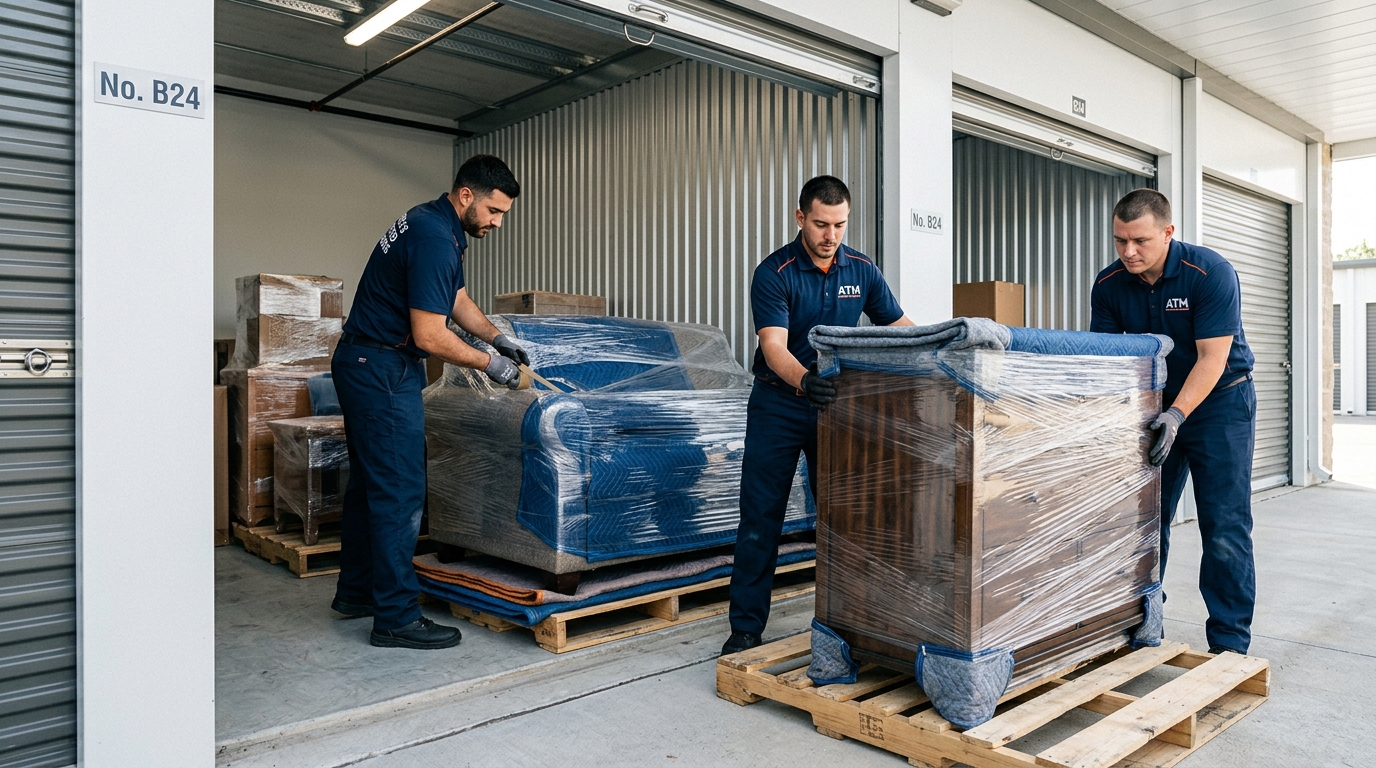
Long-term furniture storage is one of those projects that seems simple until you start doing it. It is not just about finding an empty storage unit and stacking pieces wherever they fit. If furniture is stored while damp, poorly wrapped, sitting directly on concrete, or in the wrong type of unit, you can come back months later to warping, mildew, cracks, and upholstery smells that never really go away.
This guide walks through how to store furniture long term step by step, from pre-storage cleaning and disassembly to wrapping, elevating, choosing climate control, and laying out your storage unit so nothing gets crushed. Whether you are storing a couch between apartment leases or placing a full home into storage for a year or more, the same principles apply.
As a professional moving and storage company, Atlas Route Moving regularly helps customers prepare pieces for weeks, months, or even years in storage. The goal of this guide is to share that practical process with you so you can protect furniture in storage and avoid the most common (and costly) mistakes.
By the end, you will know how to plan your storage timeline, decide which items truly belong in long-term furniture storage, prepare each type of piece correctly, and when it makes sense to bring in professional help or use storage services instead of doing everything yourself.
Key takeaways
- Long-term storage success starts with clean, dry furniture. Any dirt or moisture you store is likely to be worse when you return.
- Disassembling large pieces, labeling hardware, and wrapping components separately reduces stress on joints and prevents breakage.
- Use breathable materials (moving blankets, furniture pads, cotton sheets) against furniture surfaces and avoid plastic directly on wood or fabric.
- Always elevate furniture off the floor with pallets or blocks to protect against minor water intrusion and to improve airflow.
- Climate-controlled units are strongly recommended for long term furniture storage, especially for wood, leather, and upholstered pieces.
- A good storage layout leaves aisles, keeps heavy pieces low, and avoids stacking anything heavy on sofas, mattresses, or fragile tops.
- Working with a professional moving and storage company can simplify packing, transportation, and safe loading of your storage unit.
Why planning long-term furniture storage matters
Many people assume that furniture is sturdy enough to handle almost anything. In reality, most modern furniture is a combination of wood, engineered wood, veneers, metal, glass, and fabric. Each material reacts differently to temperature swings, humidity, weight, and pressure.
When you are figuring out how to store furniture long term, planning ahead matters for several reasons:
- Moisture and humidity can warp wood, delaminate veneers, and cause mold and mildew on upholstery and mattresses.
- Temperature extremes can dry out and crack leather, glue joints, and certain finishes.
- Weight and pressure from stacking boxes or other furniture on top can bend frames, leave permanent impressions in cushions, and crack glass.
- Access issues can force you to drag, slide, or twist pieces later, causing damage that could have been prevented with a better layout.
If you only plan to store a couch or a few items for a couple of weeks, you can get away with more shortcuts. But once furniture is going into storage for months or longer, you want a clear strategy: clean, dry, disassemble, wrap correctly, elevate, and choose the right storage environment.
Planning timeline example
Here is a simple example of how to plan your long-term furniture storage over a few weeks:
| Time before storage | Key tasks | Notes |
|---|---|---|
| 3-4 weeks | Decide what to store, donate, or sell. Reserve storage unit and date. | Measure large pieces and confirm they fit through doors and into unit. |
| 2-3 weeks | Gather packing materials and tools. Review building access rules. | Confirm elevator reservations or loading dock times if needed. |
| 1-2 weeks | Deep clean and fully dry furniture. Begin disassembly and labeling. | Allow extra drying time for fabric and leather. |
| 1-3 days | Wrap, pad, and protect pieces. Stage near exit for loading. | Confirm final details with movers or helpers. |
Deciding what to store and what to let go
Long-term storage is usually not the time for «maybe» furniture. Space costs money, and low-quality items often do not survive months or years in storage as well as solid, well-built pieces. Before you dive into how to store furniture long term, decide what truly deserves the effort and cost.
Questions to ask about each piece
- Is it solid and structurally sound? High-quality solid wood, antique, or well-built modern pieces are usually worth storing.
- Is it easily replaceable? Flat-pack or budget items may not justify long-term furniture storage fees if they are simple to replace later.
- Is there sentimental or heirloom value? If an item has emotional value, it is often worth extra care to store it correctly.
- Will it fit your likely future space? Oversized sectionals or massive dining tables may not fit well in your next home.
Simple keep-or-let-go matrix
| Furniture type | Often worth storing long term | Often better to sell/donate |
|---|---|---|
| Solid wood dressers, tables, bed frames | Yes, especially if well-built or heirloom. | Damaged or very dated pieces. |
| Upholstered sofas and chairs | Yes, if in good condition and stored properly. | Heavily worn or sagging items. |
| Flat-pack bookcases or desks | Sometimes, if high quality and stable. | Low-cost units that may not survive reassembly. |
| Mattresses | Yes, newer high-quality mattresses in clean storage. | Old, sagging, or stained mattresses. |
Being selective reduces the space you need and allows you to focus your time and budget on protecting the pieces that matter most.
Step 1: Clean and dry every piece thoroughly
Cleaning and drying is the most overlooked but critical step when you are learning how to store furniture long term. Dirt, body oils, and food residue can attract pests and cause odors; any trapped moisture can turn into mildew over time.
General cleaning checklist
- Dust all surfaces, including undersides and backs.
- Vacuum fabric and crevices to remove crumbs and pet hair.
- Spot clean fabric with a cleaner appropriate for the material and allow it to dry fully.
- Use a gentle wood cleaner on wood surfaces, followed by a dry cloth.
- Clean glass with a non-ammonia cleaner to avoid streaks and residue.
- Wipe metal parts dry to prevent rust.
Drying is just as important as cleaning
After cleaning, allow more drying time than you think you need. Upholstery and mattresses in particular can hold moisture deep inside even if the surface feels dry.
Tips to ensure everything is truly dry before storage:
- Leave cushions and mattresses upright in a warm, low-humidity room for at least 24-48 hours.
- Run a fan or dehumidifier in the room if the air feels damp.
- Keep drawers and cabinet doors open while they dry so air can circulate.
- Do not wrap anything until you are confident it is completely dry.
If you are short on time, prioritize deep cleaning and drying the pieces that will be stored the longest or that are the most valuable to you.
Step 2: Disassemble and label furniture parts
Disassembling furniture makes it easier to move, reduces stress on joints and fasteners, and helps you use your storage space more efficiently. It also makes it less likely that a piece will be torqued or forced through a doorway in a way that cracks or bends it.
What to disassemble for long-term storage
- Bed frames: remove slats, side rails, and headboards.
- Dining tables: remove legs and leaves when possible.
- Sofas and sectionals: remove legs and detachable arms or backs.
- Desks and large bookcases: remove shelves and hardware that stick out.
- Glass tops: remove and pack separately from bases.
Labeling hardware and parts
A little organization now saves hours later. Use this simple system for each piece you disassemble:
- Place all screws, bolts, and small hardware in a sturdy plastic bag.
- Label the bag with the furniture name and room (for example, «Master bed frame hardware»).
- Tape the bag securely to a large part of the furniture (like the underside of a headboard) or store all labeled bags together in a small box you will not lose.
- Use painter's tape and a marker to label large components, such as «Dining table leg 1 of 4.»
Sample label text: «Living room sectional – chaise bolts» or «Guest room dresser – mirror brackets.» Clear, specific labels are your best friend when you are reassembling months or years later.
Step 3: Wrap and protect without trapping moisture
Once furniture is clean, dry, and disassembled, the next step is to wrap and protect each piece. The goal is to cushion surfaces and keep dust and light away while still allowing air to circulate. When you want to protect furniture in storage, the key is to avoid putting plastic directly on wood or fabric for long periods.
Recommended wrapping materials
| Material | Best use | Notes for long-term storage |
|---|---|---|
| Moving blankets / furniture pads | Wrapping wood, upholstered, and metal furniture. | Breathable, reusable, ideal as first layer on most pieces. |
| Stretch wrap (plastic film) | Securing blankets and protecting from dust or light spills. | Use over blankets, not directly against wood or fabric. |
| Mattress bags / covers | Protecting mattresses and box springs from dust and dirt. | Choose thicker, tear-resistant bags and seal loosely to allow some air flow. |
| Bubble wrap | Wrapping glass, mirrors, and delicate decorative pieces. | Use paper or foam between bubble wrap and finished surfaces to prevent imprinting. |
How to wrap different materials
- Wood furniture: Cover all surfaces with moving blankets, secure with stretch wrap or tape around the blankets (not directly on the wood). Avoid sealing wood completely in plastic for long storage.
- Upholstered furniture: Wrap with clean moving blankets or breathable covers. If you use plastic, keep it as a loose outer layer only.
- Leather: Condition leather before wrapping, then use a soft cotton layer (sheet or blanket) before any plastic. Avoid tight plastic directly on leather.
- Glass and mirrors: Use corner protectors, then wrap with paper or foam, then bubble wrap. Store upright, not flat.
When in doubt, put a breathable material directly against the furniture and use plastic only as a secondary, more loosely applied protective layer.
Step 4: Elevate furniture and plan your storage layout
The way you load your storage unit has a big impact on how well your furniture holds up. Even if you perfectly wrap each piece, stacking it awkwardly or leaving it directly on a concrete floor can still lead to damage.
Why elevation matters
Concrete floors can transmit moisture, and even small spills or minor water intrusion can cause big problems for furniture sitting directly on the ground. Elevating your items also improves air circulation, which helps keep things dry.
- Use wooden pallets or sturdy blocks to raise furniture and boxes a few inches off the floor.
- Place a moisture barrier (like plastic sheeting) on the floor under pallets if allowed by your storage provider.
- Avoid placing mattresses or fabric pieces directly on concrete or leaning against exterior walls.
Smart storage layout principles
When you are planning how to store furniture long term, think of your storage unit as a 3D puzzle you still want to be able to walk into later.
- Heaviest items low and at the back: Place dressers, bookcases, and appliances on the floor toward the back wall and along sides.
- Sofas and mattresses on edge: Store a couch on its end or lengthwise against a wall, well supported and padded, to save space without crushing cushions.
- Leave aisles: Create at least one narrow path so you can access items without emptying the unit.
- Protect tabletops: Store glass or finished wood tops vertically with padding, not flat with weight on top.
- Stack lighter on heavier: Place lighter boxes and chairs on top of sturdy bases; do not put anything heavy on mattresses, sofas, or glass.
Example layout overview
| Area of unit | What to place there | Tips |
|---|---|---|
| Back wall | Dressers, bookcases, appliances, heavy boxes. | Heaviest items first, with pallets underneath. |
| Side walls | Sofas on edge, mattresses, headboards, tables. | Strap or wedge pieces so they cannot tip. |
| Center | Stacks of boxes, smaller items, disassembled parts. | Leave an aisle down the middle for access. |
When you need climate-controlled storage
Climate-controlled storage keeps temperature and humidity in a more stable range than a standard storage unit. For short-term storage of durable items, a standard unit can be fine. For long term furniture storage, especially in areas with hot summers, cold winters, or high humidity, climate control is often worth the extra cost.
Furniture types that benefit most from climate control
- Solid wood tables, dressers, and bed frames (reduces warping and cracking).
- Veneer furniture and engineered wood (reduces swelling and delamination).
- Leather sofas and chairs (reduces drying, cracking, and mildew).
- Upholstered furniture and mattresses (reduces mold, odors, and dust mites).
- Musical instruments and antiques (protects delicate finishes and glues).
Climate-controlled vs standard storage comparison
| Feature | Climate-controlled unit | Standard unit |
|---|---|---|
| Temperature range | More stable, reduces extreme heat/cold swings. | Tracks outdoor conditions more closely. |
| Humidity control | Often limited humidity variation, better for wood and fabrics. | Humidity can fluctuate significantly. |
| Best use | Long-term storage of furniture, electronics, artwork. | Shorter-term storage of durable goods and tools. |
For long-term furniture storage, climate control is often the single most important upgrade you can choose. When you pair it with proper cleaning, wrapping, and layout, it significantly reduces the risk of damage.
How to store specific furniture types long term
Different pieces require slightly different approaches. Below are practical tips for the most common furniture categories people store.
How to store a couch long term
- Vacuum thoroughly, remove cushions, and clean spots as needed.
- Allow everything to dry for at least 24-48 hours after cleaning.
- Remove legs and any detachable arms or backs; label hardware.
- Wrap the frame in moving blankets and secure them with stretch wrap.
- Wrap cushions separately in breathable covers or blankets.
- Store a couch on its end or upright along a wall, with padding between it and any other surfaces.
- Avoid stacking heavy items on top of the sofa or cushions.
Upholstered chairs and recliners
- Clean and dry as for a sofa.
- Use moving blankets and shrink wrap as a protective outer layer.
- If a recliner has a removable back, detach it for easier handling and less strain on the mechanism.
- Store upright; do not place heavy boxes on the seat or back.
Wood tables and chairs
- Remove table legs and leaves where possible; label parts and hardware.
- Wrap legs and table top separately with blankets and secure.
- Store table top vertically with padding to prevent warping or scratching.
- Stack chairs carefully, with padding between them, or turn them upside down on padded table surfaces (short term) while avoiding any long-term pressure that could imprint into wood.
Dressers, chests, and bookcases
- Empty drawers and shelves completely.
- Remove shelves and wrap them separately.
- For long-term storage, store dressers with drawers closed, but consider a small gap or breathable material to encourage airflow.
- Wrap outer surfaces with moving blankets and secure them with stretch wrap.
- Load dressers and bookcases on pallets and keep them upright; do not lay heavy stacked items on top if the surface is not designed for it.
Mattresses and box springs
- Vacuum thoroughly and spot clean if needed; ensure they are fully dry.
- Use high-quality mattress covers or bags designed for storage.
- For multi-month storage, do not stack heavy items on mattresses to avoid permanent sagging.
- Store mattresses upright, but not sharply bent; keep them supported so they don't bow.
Office furniture and desks
- Disassemble L-shaped or U-shaped desks as much as possible.
- Wrap glass separately, with extra padding at corners.
- Bundle cords and label them clearly.
- Protect desk corners and edges with padding; avoid stacking heavy boxes on top of desks over long periods.
Cost factors for long-term furniture storage
Once you know how to store furniture long term, the next question is often cost. Storage expenses usually break down into three main categories: space, time, and services.
Typical cost factors
| Cost factor | What affects it | How to manage it |
|---|---|---|
| Unit size | Total volume of furniture, how efficiently it is packed. | Disassemble pieces, stack smartly, avoid storing low-value items. |
| Climate control | Climate-controlled units cost more than standard units. | Reserve climate control for sensitive or higher-value furniture. |
| Duration | Monthly rate multiplied by number of months stored. | Estimate realistic time frame; avoid paying to store items you no longer need. |
| Packing and handling | Whether you do the loading yourself or hire professionals. | Use professional help for heavy or valuable pieces to reduce risk of damage. |
A moving and storage company like Atlas Route Moving can help you estimate the right unit size and service level for your specific inventory so you are not overpaying for unused space or risking crowded, unsafe stacking to save a few dollars.
Common long-term storage mistakes and how to avoid them
When people try storing furniture without a plan, the same problems come up again and again. Being aware of these mistakes ahead of time is one of the easiest ways to protect furniture in storage.
Mistakes vs. better approaches
| Common mistake | Risk | Better approach |
|---|---|---|
| Storing furniture while damp or freshly cleaned. | Mold, mildew, odors, and finish damage. | Allow at least 24-48 hours of drying time in a ventilated room. |
| Wrapping wood or fabric tightly in plastic. | Traps moisture, leads to condensation and mold. | Use moving blankets first, then light stretch wrap over them. |
| Placing items directly on concrete floors. | Moisture wicking into wood and fabric; water damage from small leaks. | Elevate everything on pallets or blocks. |
| Overloading mattresses and sofas with boxes. | Permanent indentations, broken springs, warped frames. | Stack only lightweight items and avoid long-term pressure. |
A few minutes of planning can eliminate most of these issues, which is why professional movers always follow a consistent process for long-term storage moves.
How to prepare before movers or helpers arrive
If you are working with a moving and storage company, preparing ahead will help the crew protect your furniture efficiently and keep your overall cost and stress down.
Pre-move preparation checklist
- Decide exactly which pieces are going into storage and which are going elsewhere.
- Measure any oversized items and tight doorways.
- Complete as much cleaning and drying as possible before moving day.
- Remove drawers, loose shelves, and small items from furniture.
- Group hardware in labeled bags or boxes.
- Clear paths from rooms to the exit and reserve elevators or loading zones if needed.
- Set aside items that you plan to keep with you (documents, small electronics, jewelry, etc.).
On moving day, be ready to point out items that are fragile, high value, or going to a different destination than the storage unit.
Key questions to ask a storage or moving provider
Choosing the right partner and facility is just as important as learning how to store furniture long term. Use these questions to evaluate your options.
Facility and unit questions
- Do you offer climate-controlled units suitable for long-term furniture storage?
- What are your access hours, and are there any limits on how often I can visit my unit?
- What security measures are in place (gates, cameras, on-site staff)?
- Are pallets or shelving allowed in units, and are there any restrictions on coverings on the floor?
- How is moisture or water intrusion handled if it ever occurs?
Moving and handling questions
- Can your crews disassemble and reassemble large items, and how is that billed?
- What materials do you use to wrap and protect furniture going into storage?
- How do you label and track items going into storage so they are easy to locate later?
- Are there any items you recommend not putting into long-term storage?
Professional companies should be able to answer these clearly and explain how they protect furniture in storage over the long term.
What to keep with you instead of in storage
Not everything belongs in a storage unit, even for a short time. Keeping critical and sensitive items with you reduces risk and simplifies your life.
Items to keep with you
- Important documents (passports, birth certificates, financial papers).
- Small electronics and hard drives with sensitive data.
- Jewelry, collectibles, and irreplaceable keepsakes.
- Medications and medical devices.
- Everyday clothing and basic kitchen items if you will need them soon.
As a rule of thumb, if an item would be a serious headache to replace or you might need it on short notice, keep it with you rather than in a long-term storage unit.
How Atlas Route Moving can help with long-term furniture storage
You can absolutely handle parts of long-term furniture storage yourself, especially cleaning and deciding what to keep. But for many people, having professional help with packing, loading, and storage takes a big weight off their shoulders and greatly reduces the chance of damage.
Atlas Route Moving offers moving and storage support throughout the United States, including packing, transportation, and secure storage options for apartments, homes, and offices. Our crews are trained to:
- Wrap and pad furniture using breathable materials to protect finishes and fabrics.
- Disassemble and label beds, tables, and other large pieces for efficient storage.
- Stack and secure items in storage units to prevent shifting and crushing.
- Coordinate local moves, long-distance moves, and storage so everything stays organized.
Helpful Atlas Route Moving services
If you are planning a move that includes long-term furniture storage and want help planning the details, you can review our moving services or contact our team to discuss options in your area.
Frequently asked questions
How do I store furniture long term without it getting moldy?
Start with completely clean, dry furniture, then use breathable wraps like moving blankets instead of plastic directly on surfaces. Elevate items on pallets, choose a climate-controlled unit when possible, and avoid pushing furniture tightly against exterior walls so air can circulate.
Is it OK to wrap furniture in plastic for long-term storage?
Plastic is useful as an outer layer over moving blankets, but avoid placing plastic directly against wood, leather, or fabric for months at a time. It can trap moisture and cause condensation, which leads to mold, mildew, and finish damage.
What is the best way to store a couch in a storage unit?
Clean and dry it thoroughly, remove legs and detachable parts, and wrap the frame and cushions separately with moving blankets. Store a couch on its end or upright along a wall, supported and padded, without heavy items stacked on top, preferably in climate-controlled storage.
Should I take furniture apart before putting it into long-term storage?
Yes, disassembling large pieces like beds, tables, and sectional sofas reduces stress on joints and makes them easier to move and stack. Keep all hardware in labeled bags taped to the furniture or stored in a clearly labeled box so reassembly is straightforward later.
Can I store furniture directly on the floor of a storage unit?
It is not recommended for long-term storage. Concrete can transmit moisture, and even minor water issues can damage furniture on the floor. Use wooden pallets or blocks to elevate furniture and boxes a few inches off the ground.
Do I really need climate-controlled storage for furniture?
For long-term storage of wood, leather, and upholstered furniture, climate control is strongly recommended. It reduces extreme temperature swings and humidity changes that can cause warping, cracking, mold, and odors, especially in regions with hot summers or high humidity.
How full should I pack my storage unit with furniture and boxes?
Use space efficiently but avoid overpacking. Heavy items should be on the bottom, lighter items on top, and you should leave at least one aisle to access items. Do not stack heavy boxes on sofas, mattresses, or delicate tops, and make sure stacked items are stable and not leaning.
How long can furniture safely stay in storage?
Furniture can stay in storage for many months or even years if it is properly cleaned, wrapped, elevated, and kept in a suitable environment. The key is preventing moisture, extreme temperature swings, and crushing or bending forces over time.
What should I avoid putting in long-term furniture storage?
Avoid storing food, perishable goods, scented items that can attract pests, and anything flammable or prohibited by the storage provider. Keep valuables, important documents, medications, and items you may need suddenly with you instead of in a storage unit.
Can Atlas Route Moving help me load and organize my storage unit?
Atlas Route Moving can assist with packing, wrapping, loading, and transporting your furniture into storage, as well as organizing items inside the unit for safe long-term storage. Our crews can also coordinate moves between your home, storage, and your next destination.
Sources referenced in this guide
Professional recommendations in this guide are based on practical field experience from moving and storage crews, combined with general guidance from:
- Federal Motor Carrier Safety Administration consumer guidance on moving and storage services
- U.S. Department of Transportation moving guidance and best practices
- State transportation and consumer protection agency recommendations on storage agreements
- Typical written moving estimates, inventories, and bills of lading used in the moving industry
- Standard carrier tariffs, valuation options, and storage-in-transit service agreements
- Building management move-in and move-out rules for elevators and loading docks
This guide is general moving information, not legal, insurance, or regulatory advice. Moving requirements, pricing, access rules, and coverage options may vary by location, move type, building rules, and service agreement.
Related moving guides
When you are ready to turn this guidance into a concrete plan, you can explore Atlas Route Moving's moving services and storage options or contact our team to see which service areas we cover near you.