
How to Pack a Garage for Moving: Tools, Bikes and More
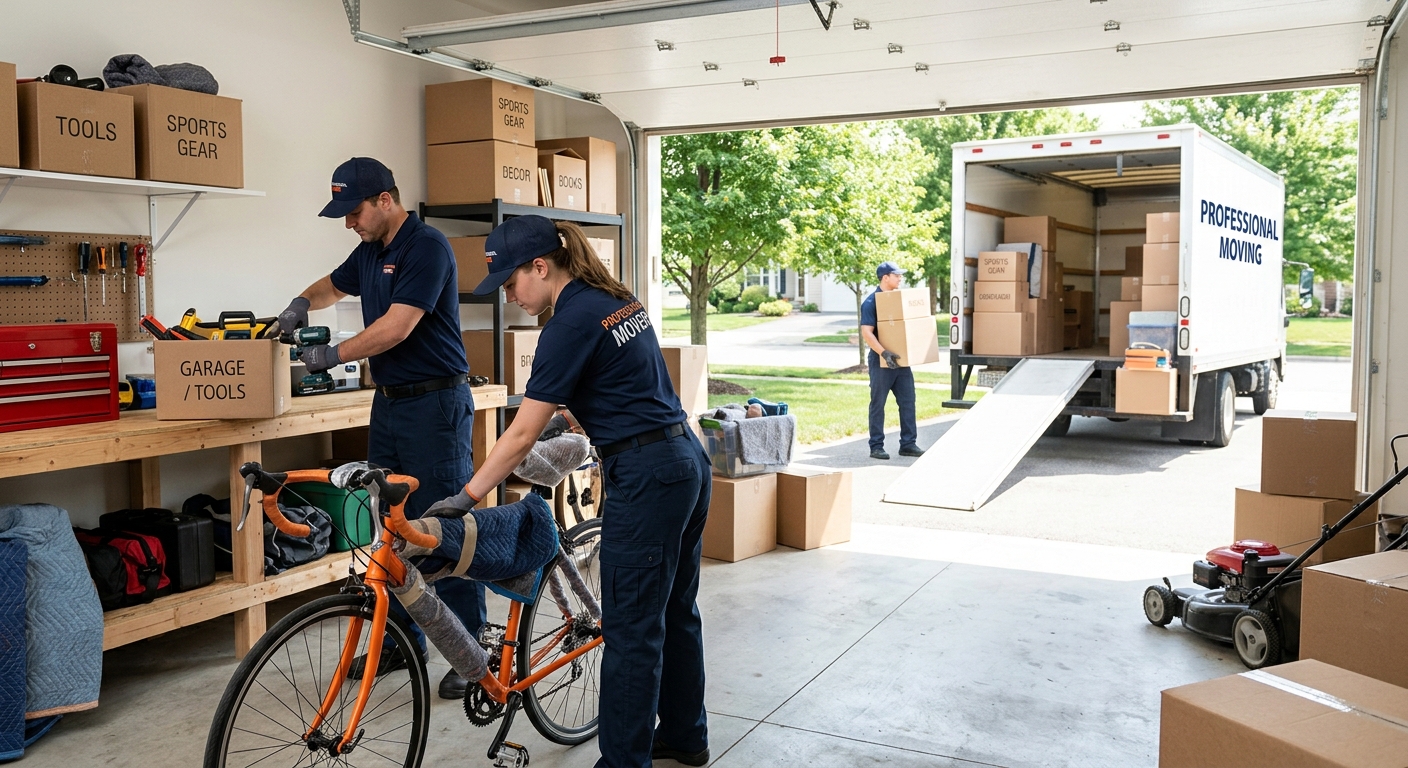
Packing a garage for moving is often the part people dread the most. It is where heavy tools, sharp garden equipment, sports gear, old paint, and random \»I might need this one day\» items all live together. If you leave the garage for last, moving day can quickly become stressful, unsafe, and more expensive than it needs to be.
With a clear plan, the right supplies, and an understanding of what movers can and cannot take, you can turn your garage from a chaotic catch-all into a well-packed, efficient part of your move. This guide walks you step by step through how to pack a garage, from sorting and decluttering to packing tools, bikes, and power equipment safely.
As a professional moving company, Atlas Route Moving sees how much time and money customers can save when the garage is prepared correctly. Whether you want to handle the packing yourself or use professional packing services for the trickier items, the strategies below will help you stay organized and protect your belongings.
In this detailed garage packing guide, you will learn how to handle hazardous items, protect sharp edges, box up hand tools and power tools, prepare lawn equipment, and secure bicycles and sports gear so everything can be loaded safely on moving day.
Key takeaways
- Start with your garage early, at least 2\u20133 weeks before moving day, so you have time to declutter, dispose of hazardous materials, and disassemble bulky items.
- Many common garage items (gasoline, propane, paint, fertilizers, aerosols) are considered hazardous and typically cannot go on the truck; plan safe disposal or alternate transport.
- Group items by category (hand tools, power tools, lawn equipment, bikes, seasonal gear) so they can be packed together and easy to unpack at your new home.
- Protect sharp edges and points carefully using bubble wrap, cardboard, and strong tape to keep movers and boxes safe.
- Drain fuel and oil from mowers, trimmers, and other equipment and let them dry fully before transport.
- Label garage boxes clearly with both contents and \»GARAGE\» or the destination space (\»WORKBENCH\», \»BIKE AREA\») to speed up unloading and setup.
- For complex equipment, heavy tools, or limited time, consider professional packing services to save time and reduce risk.
Why the garage is often the hardest room to pack
Most people underestimate the time and effort required to pack a garage for moving. Unlike bedrooms or living rooms, garages are full of heavy, irregular, and sometimes hazardous items that demand extra planning.
What makes garages challenging
- Volume and variety: Tools, paint, lawn gear, sports equipment, holiday items, and long-forgotten boxes often accumulate for years.
- Hazardous and restricted items: Many garage staples cannot legally or safely go onto a moving truck.
- Awkward shapes and sharp edges: Rakes, shovels, saws, ladders, and bikes do not fit neatly into standard boxes.
- Weight: Toolboxes, power tools, and hardware can easily exceed safe lifting limits if not packed correctly.
- Delayed attention: The garage is frequently left for last, increasing stress just as moving day approaches.
Knowing why this space is tricky helps you take a smarter approach and schedule more time for it in your overall moving plan.
How to plan your garage packing timeline
When you are deciding how to pack a garage, timing matters. The garage should be one of the first areas you start and one of the last you fully close up, because you may still need certain tools and supplies up to moving day.
Suggested garage packing timeline
| Time before move | Garage tasks | Notes |
|---|---|---|
| 3\u20134 weeks | Declutter, sort categories, identify hazardous items to dispose of. | Schedule drop-off or pickup for chemicals and old fuels. |
| 2\u20133 weeks | Pack seasonal items, light tools, sports gear you will not use. | Keep a small tool kit accessible for home repairs and breakdowns. |
| 7\u201310 days | Pack hand tools, wall racks, and most lawn equipment. | Leave only what you need for yard care and minor fixes. |
| 3\u20135 days | Drain fuel from mowers/tractors, finish bikes and bulky items. | Allow motors to dry after draining fuel and oil. |
| 1\u20132 days | Final sweep, tape boxes, move non-allowable items out of the garage. | Stage items for movers near the garage door for quick loading. |
Checklist: Planning your garage packing
- Block off specific days on your calendar for the garage.
- Ask your mover which garage items they will not take.
- Gather boxes, padding, tape, and labels dedicated to garage items.
- Decide which tools you need access to until the last day.
- Plan safe disposal or donation of items you are not moving.
Step-by-step: Decluttering your garage before a move
A move is the perfect opportunity to reset your garage. The more you declutter, the less you pay to transport items you rarely use. Decluttering also makes it easier to see what needs special packing.
1. Clear a staging area
Choose an open section of the driveway or a clear corner of the garage where you can create \»KEEP, DONATE/SELL, RECYCLE, TRASH\» zones. Put large cardboard pieces or tarps down so items stay clean and organized.
2. Sort by category
Work in waves. Focus on one category at a time so you do not get overwhelmed.
- Hand tools and toolboxes
- Power tools
- Lawn and garden equipment
- Automotive supplies
- Sports and outdoor gear
- Seasonal and holiday items
- Paint, chemicals, and cleaning supplies
As you sort, ask yourself how often you use each item and whether it justifies space on the truck and in your new garage.
3. Decide what to keep vs let go
Sample questions to ask yourself:
- Have I used this in the last 12 months?
- Is this item broken, missing parts, or unsafe?
- Will this fit or make sense in my new garage layout?
- Is it cheaper to replace this than pay to move it?
Old paint, half-empty oil bottles, cracked planters, duplicate tools, and rusty hardware are common items that are better to let go than move.
4. Plan disposal for hazardous materials
Many communities have guidelines for disposing of paints, solvents, fuels, and similar materials. Check your local government or waste authority guidance for specifics. Give yourself at least one to two weeks to handle this so you are not rushing right before moving day.
5. Pack what you are keeping by category
Once you have decided what is coming with you, group items by how you will use them in the new space: \»WORKBENCH TOOLS\», \»GARDENING AREA\», \»BIKE WALL\», and so on. Label boxes with both the room (GARAGE) and the category so unloading is faster.
Hazmat rules: What movers typically will not take from a garage
When you are learning how to pack a garage for moving, it is critical to understand what typically cannot go on a moving truck. Professional movers follow safety and regulatory guidelines that restrict certain items, especially those stored in garages.
Common items movers usually cannot move
- Gasoline, diesel, and fuel cans (full or partially full)
- Propane tanks for grills, heaters, or equipment
- Fireworks, ammunition, and explosives
- Fertilizers and weed killers
- Pool chemicals and strong cleaning agents
- Paints, paint thinners, and solvents
- Aerosol cans (spray paint, lubricant sprays, insect sprays)
- Compressed gas cylinders (other than approved small canisters handled separately)
Policies can vary by company and move type, so always confirm specifics with your mover in advance. You can review general guidance from Federal Motor Carrier Safety Administration consumer guidance and the U.S. Department of Transportation moving guidance to better understand why these restrictions exist.
Table: Typical \»no-go\» garage items
| Category | Examples | Typical recommendation |
|---|---|---|
| Flammable liquids | Gasoline, kerosene, lamp oil, fuel in cans | Use up, give away, or dispose through local hazardous waste programs. |
| Compressed gases | Propane tanks, large compressed air cylinders | Return or exchange tanks, transport small items yourself if allowed. |
| Chemicals | Fertilizer, pesticides, herbicides, pool chemicals | Follow local guidelines for disposal; do not place on the truck. |
| Explosive/combustible items | Fireworks, gunpowder, ammunition | Contact local authorities or ranges for safe handling or disposal. |
| Aerosols | Spray paint, lubricants, insect sprays, cleaners | Use up or discard according to container instructions. |
When in doubt, ask your moving coordinator and review guidance from state transportation or consumer protection agencies for your area.
Supplies you need for packing a garage for moving
Because garage items are heavy, sharp, and often dirty, you will need slightly different supplies than for other rooms. Invest in strong materials; it is not worth saving a few dollars on boxes only to have them break under the weight of tools.
Essential supplies
- Small and medium heavy-duty boxes (double-walled for tools when possible)
- Plastic bins with lids (for hardware and loose parts)
- Bubble wrap and packing paper
- Stretch wrap (for bundling rakes, shovels, and securing drawers)
- Moving blankets or thick furniture pads
- Strong tape (at least 2-inch, quality packing tape)
- Permanent markers and large labels
- Zip-top bags for screws, bolts, and small parts
- Cardboard sheets for covering blades and sharp edges
- Work gloves and safety glasses for handling heavy or sharp items
Nice-to-have extras
- Color-coded labels or tape for categories (TOOLS, GARDEN, SPORTS)
- Tool wrap or tool rolls for wrenches and screwdrivers
- Plastic tarps or drop cloths to protect floors and staging areas
- Rope or ratchet straps if you are transporting items yourself
Table: Which box for which garage items?
| Item type | Best container | Packing notes |
|---|---|---|
| Hand tools & hardware | Small heavy-duty boxes or plastic bins | Distribute weight, use padding under metal tools. |
| Power tools | Original cases or medium boxes with padding | Remove batteries; wrap in bubble wrap. |
| Sports gear | Medium boxes, specialty cases, or bike boxes | Fill empty spaces with soft items. |
| Garden tools | Bundles wrapped in blankets or stretch wrap | Cover sharp ends with cardboard and tape. |
| Chemicals (if moving) | Handled separately if allowed by local rules | Many should not go on the truck; verify first. |
How to pack hand tools safely
Hand tools are some of the easiest items to move, but they are often heavy and can damage other items if not packed properly. When planning how to pack a garage, aim to keep tool weight balanced and sharp points covered.
1. Clean and sort
- Wipe off dirt, oil, and debris so tools do not soil other items.
- Group similar tools (wrenches, screwdrivers, pliers, chisels) together.
- Match loose hardware with the items they belong to when possible.
2. Use your toolbox wisely
If you have a sturdy portable toolbox, it is often best to move tools inside it.
- Lock or tape the toolbox shut.
- Fill empty spaces with rags or paper so tools do not shift.
- Label the toolbox clearly with \»TOOLS\» and indicate \»HEAVY\» for your movers.
3. Box up extra tools
- Use small heavy-duty boxes and line the bottom with crumpled paper or small towels.
- Place the heaviest tools at the bottom; lighter items on top.
- Keep each box under a comfortable lifting weight, usually 40\u201350 pounds or less.
Sample label: \»GARAGE — HAND TOOLS — BOX 1 OF 3 — HEAVY\»
4. Protect sharp and delicate tools
- Wrap chisels, blades, and sharp edges in several layers of bubble wrap or thick paper.
- Slide thin saws or long blades between two pieces of cardboard and tape securely.
- Wrap delicate measuring tools and levels separately and place on top of heavier tools.
How to pack power tools and outdoor equipment
Packing power tools requires extra care because of their weight, motors, and power sources. When planning how to pack a garage for moving, set aside enough time to drain, disconnect, and secure these items safely.
1. Remove batteries and accessories
- Take batteries out of cordless tools and pack them separately in padded boxes.
- Bundle chargers and cords with each tool using tape or zip ties.
- Place small accessories (bits, blades, attachments) in labeled zip-top bags.
Sample label: \»CORDLESS DRILL — CHARGER & BITS\»
2. Use original cases when available
If you still have the manufacturer case for drills, sanders, or saws, this is typically the safest way to move them. Secure the case latches and label the outside.
3. Box up power tools without cases
- Wrap each tool in bubble wrap or thick paper.
- Place heavy, flat tools at the bottom of a medium box.
- Do not overload; keep box weight manageable for lifting and stacking.
- Fill gaps with padding so tools do not shift.
4. Preparing lawn mowers, trimmers, and gas equipment
For equipment that runs on gasoline or oil, there are a few essential steps before movers can load it.
- Run the fuel tank as close to empty as possible a week or more before the move.
- Drain remaining fuel into an approved container for disposal or use elsewhere.
- Disconnect spark plugs and remove batteries from riding mowers.
- Clean off excess grass, dirt, and debris from blades and wheels.
Most moving companies require fuel to be fully drained from engines before they will load these items. Confirm any additional requirements with your mover.
Table: Preparing common power tools and equipment
| Item | Preparation steps | Packing tip |
|---|---|---|
| Cordless drill/driver | Remove battery, pack charger and bits together. | Use small box, cushion well. |
| Circular saw | Remove blade if possible, cover guard and blade with cardboard. | Pack flat in padded medium box. |
| Lawn mower (gas) | Drain fuel, disconnect spark plug, clean underside. | Movers typically pad-wrap; no box needed. |
| String trimmer | Drain fuel (if gas), remove battery for cordless units. | Wrap shaft and head in blankets or bubble wrap. |
| Pressure washer | Drain water, disconnect hoses, drain fuel if gas-powered. | Coil hoses separately and label. |
Moving bikes and sports gear
Bikes, skis, boards, and other sports gear are valuable and can be easily damaged if not packed properly. When you think about how to pack a garage, treat these items more like furniture than random gear.
How to prepare bikes for a move
- Clean bikes so dirt and grease do not transfer to other items.
- Remove accessories like lights, computers, pumps, and water bottle cages.
- Lower or remove seats and handlebars if needed for space.
- Secure loose chains with a small piece of tape or a zip tie.
If you or your movers are using bike boxes, you may also remove pedals and partially remove wheels. For many local and long-distance moves, bikes can be padded and loaded as they are.
Protecting bikes during transport
- Wrap frames in moving blankets or bubble wrap and secure with tape or stretch wrap.
- Cover derailleurs and gear mechanisms with extra padding.
- Keep bikes upright in the truck when possible; avoid stacking heavy boxes on them.
- Label wrapped bikes clearly as \»BIKES — DO NOT STACK\» to help movers.
Other sports gear
- Skis and snowboards: Use padded bags if available or wrap in blankets; tape skis together.
- Golf clubs: Transport in their bags with head covers; fill empty space with towels.
- Camping gear: Pack tents, sleeping bags, and small gear into labeled bins.
- Ball sports: Deflate large balls to save space; pack small items together in a box.
Packing shelving units, cabinets, and bulky items
Garages often hold metal shelving, plastic cabinets, workbenches, and storage racks. These bulky items take up a lot of room but can often be moved more efficiently when disassembled and packed correctly.
1. Empty and sort contents first
Before touching the shelves themselves, fully empty them. Pack items by category into boxes, bins, or bundles as described earlier.
2. Disassemble when practical
- Take photos of each unit before disassembling to help with reassembly later.
- Use zip-top bags for screws, bolts, and brackets; label and tape them to a main shelf or store in a \»HARDWARE — GARAGE SHELVES\» box.
- If a unit is flimsy or tall, breaking it down will usually make it safer to move.
3. Keep sturdy units whole if safer
Some heavy-duty metal shelving moves better as a single unit, depending on size and truck access. Movers may pad-wrap and carry them out as-is if they fit safely through doors and onto the truck.
4. Wrap and protect surfaces
- Use moving blankets or cardboard to protect workbench tops and cabinet fronts.
- Secure drawers and doors shut with stretch wrap or tape (avoid taping directly onto finished surfaces when possible).
- Bundle long, thin items like closet rods or spare lumber with tape or stretch wrap.
Common garage packing mistakes and how to avoid them
When customers are packing a garage for moving on their own, certain mistakes appear again and again. Avoiding these will save you time, reduce risk, and help your movers work more efficiently.
Frequent mistakes
| Mistake | Why it is a problem | Better approach |
|---|---|---|
| Leaving the garage for last-minute packing | Creates rushed decisions, safety risks, and delays on moving day. | Start 2\u20133 weeks early with a clear schedule. |
| Overloading tool boxes and cartons | Boxes may break; increased injury risk when lifting. | Use small boxes and keep weights reasonable. |
| Not draining fuel from equipment | Movers may refuse to load; spill and fire hazard. | Drain fuel several days before the move. |
| Packing restricted chemicals on the truck | Violates mover policies and may be unsafe or illegal. | Confirm hazmat rules and dispose or handle separately. |
| Leaving sharp tools exposed | Risk of cuts to you and movers; can tear boxes and pads. | Wrap blades and edges in cardboard and padding. |
Garage packing safety checklist
- Wear sturdy gloves when handling metal, wood, or yard tools.
- Lift with your legs, not your back, and use a dolly for heavy boxes.
- Do not stack boxes higher than you can reach safely.
- Keep pathways clear to avoid trips while carrying items.
- Store drained fuel containers away from the staging area.
How garage contents affect moving cost
When you request a moving estimate, your garage often plays a bigger role in cost than you might expect. Heavy and bulky items can add time, require more movers, or need special handling, which can affect the final price.
Key garage-related cost factors
- Volume: The more items you move, the more space you need on the truck.
- Weight: Tools, equipment, and metal shelving are heavy, which can influence pricing for long-distance or interstate moves.
- Complexity: Disassembly, reassembly, and careful packing of special equipment may require extra labor.
- Access: Tight garages, steep driveways, or long walks from the garage to the truck can increase loading time.
Sample overview: How garage items can influence cost
| Garage factor | Impact on move | How to manage it |
|---|---|---|
| Large volume of loose tools and hardware | Slows loading; more packing time on moving day. | Pre-pack tools into labeled boxes and bins. |
| Bulky equipment and shelving | Requires pads, straps, and possible disassembly. | Disassemble in advance where practical. |
| Hazardous materials present | Causes delays; movers may need to wait while items are removed. | Remove and dispose of restricted items before move day. |
| Poor labeling or mixed boxes | Slows loading and unloading decisions. | Label boxes clearly: \»GARAGE — CATEGORY — HEAVY/FRAGILE\». |
If you want a clearer sense of how your garage might affect the overall cost of your move, you can use the moving cost calculator from Atlas Route Moving as a starting point and then discuss the details with a moving consultant.
How to prepare your garage before the movers arrive
When moving day comes, a well-prepared garage helps the crew get started quickly and safely. Whether you are moving tools, storing items temporarily, or heading to a new state, good staging makes a big difference.
1. Separate items the movers will not take
- Place hazardous or restricted items (fuels, chemicals, aerosols) in a different area or remove them from the property.
- Mark any items you plan to move in your own vehicle so movers know not to load them.
2. Stage items by type near the garage door
- Group boxes of tools together.
- Bundle long-handled garden tools into one or two manageable groups.
- Place bikes, lawn mowers, and large items where they are easy to access.
3. Clear access paths
- Remove tripping hazards from pathways between the garage and the truck area.
- Make sure vehicles are parked so the moving truck has room to back in.
- Confirm with building management if there are any time, elevator, or loading rules.
4. Keep essential tools separate
Set aside a small assortment of tools you will want immediate access to at your new place, and move these with you personally.
- Basic screwdriver set
- Hammer and nails
- Utility knife
- Measuring tape
- Adjustable wrench and pliers
- Drill and bits for quick assembly
Label this box: \»OPEN FIRST — ESSENTIAL TOOLS\» and keep it off the moving truck if you prefer.
DIY vs professional help for packing a garage
It is absolutely possible to pack a garage for moving on your own, especially if you start early and follow a clear plan. However, many customers choose professional help just for the garage or for specific items like power tools and bikes.
Benefits of DIY garage packing
- You control what you keep, donate, or discard.
- You can work at your own pace over several weekends.
- You may save money on packing labor, depending on your schedule and skill level.
When professional packing can be worth it
- You own valuable tools, specialty equipment, or multiple bikes.
- You are short on time due to work, family, or long-distance planning.
- You have mobility or safety concerns with heavy or sharp items.
- You want movers to provide all materials and handle the tricky items.
Atlas Route Moving offers professional packing services that can cover your entire home or focus just on areas like the garage, basement, or storage units. Our crews bring the right materials and experience to pack tools, outdoor equipment, and bikes efficiently and safely.
Helpful Atlas Route Moving services
What to keep with you on moving day
As you plan how to pack a garage, set aside a small group of items you will transport yourself. These should be essentials or items movers cannot take.
Garage-related items to move yourself
- Essential tool kit (for quick assembly and minor fixes)
- Any chemicals or liquids you are legally allowed to transport and choose to keep
- Bicycle helmets and frequently used sports gear
- Garage door openers and remote controls
- Small valuable tools or specialty instruments
Sample note to movers: \»These items are staying with us; please do not load.\»
Non-garage essentials you should keep nearby
- Important documents and identification
- Medications and basic first-aid supplies
- Phone chargers and small electronics
- Snacks, water, and basic cleaning supplies for move-in day
How Atlas Route Moving can help with your garage
When you are planning a move, figuring out how to pack a garage is just one piece of the puzzle. A coordinated plan between your packing efforts and your moving crew makes the entire process smoother.
Atlas Route Moving provides a full range of moving services in the United States, including local and long-distance moves, packing and unpacking, and storage options. Our teams regularly handle garages full of tools, bikes, and outdoor equipment and understand the best ways to protect both your belongings and your home.
If you prefer to handle most of the packing yourself but want help with the garage, you can schedule partial packing support focused on your tools, power equipment, or sports gear. We can also provide packing materials if you want to do the boxing but still use professional-grade supplies.
To explore options, check our service areas, use the moving cost calculator for a quick estimate, or request a free moving quote with details about your garage contents.
Related moving guides
For more planning tips and room-by-room advice beyond the garage, you can also explore the Atlas Route Moving blog for additional guides.
Frequently asked questions
How far in advance should I start packing my garage for a move?
Ideally, start packing your garage 3 to 4 weeks before your move. This gives you time to declutter, dispose of hazardous items, and pack tools and equipment without rushing. At minimum, try to begin garage work 2 weeks before moving day so you are not left handling heavy, complex items at the last minute.
What garage items will movers usually not take?
Most movers will not transport flammable liquids (like gasoline and kerosene), propane tanks, many chemicals and fertilizers, fireworks, ammunition, and most aerosols. Policies vary, so ask your moving company for a list before you start packing. Plan to use up, dispose of, or transport allowed items yourself.
Do I need to drain gas from my lawn mower and outdoor equipment?
Yes, you should drain fuel from lawn mowers, string trimmers, snow blowers, and any other gas-powered tools before movers will load them. Allow time for tanks to empty and dry and clean off excess debris. This reduces fire risk and prevents fuel leaks in the moving truck.
How should I pack my tools for moving?
Pack hand tools in small, sturdy boxes or in your toolbox, and keep the weight manageable. Use padding at the bottom of each box and around sharp edges. Power tools should be wrapped, with batteries removed and accessories bagged and labeled. Avoid mixing tools with fragile household items.
What is the best way to move bikes in a household move?
Clean bikes, remove accessories, and protect frames, handlebars, and derailleurs with blankets or bubble wrap. Lower seats or pedals if needed for space. Many movers will load bikes upright and secure them without boxes, but bike boxes can be used for long-distance or high-value bikes if you prefer.
Can movers disassemble my garage shelving and reassemble it at the new home?
Many moving crews can help disassemble and pad-wrap shelving, workbenches, and some storage units, then reassemble them at your new home depending on the scope of work you request. Let your mover know in advance so they can plan time, tools, and any additional labor that may be needed.
Should I pack my garage on my own or hire professional packers?
If you have the time, basic tools, and feel comfortable handling heavy or sharp items, you can often pack most of the garage yourself. Professional packing services may be a good fit if you have valuable tools, limited time, or prefer trained crews to handle power equipment and specialty items.
What should I keep with me instead of sending on the truck?
Keep an essential toolkit, garage door openers, helmets, small valuables, and any allowed liquids or chemicals you choose to keep in your personal vehicle. Important documents, medications, and other personal essentials should also stay with you, not on the moving truck.
How do I label garage boxes so unpacking is easier?
Label each box with \»GARAGE\» plus a specific category, such as \»HAND TOOLS\», \»GARDENING\», or \»BIKES / SPORTS\». Include notes like \»HEAVY\» or \»FRAGILE\» where needed. If you have several boxes in one category, use a simple numbering system (for example, \»GARAGE — HAND TOOLS — BOX 1 OF 3\»).
Can Atlas Route Moving just pack my garage and I pack the rest?
Yes, you can request partial packing focused on specific areas like the garage, basement, or storage unit. Atlas Route Moving can supply materials and pack the high-effort or high-risk items, while you handle other rooms on your own schedule.
Sources referenced in this guide
To create a practical overview of how to pack a garage, this guide draws on common industry practices and consumer-focused guidance from several types of sources, including:
- Federal Motor Carrier Safety Administration consumer guidance on moving household goods and restricted items
- U.S. Department of Transportation moving guidance and safety recommendations for hazardous materials
- State transportation and consumer protection agencies that outline accepted disposal options for fuels, chemicals, and paints
- Building management move-in and move-out requirements that affect garage access, elevators, and loading times
- Typical moving company written estimates, service agreements, and bills of lading that define what can and cannot be transported
- Carrier tariffs and valuation options that influence how heavy tools and equipment are handled and covered during a move
This guide is general moving information, not legal, insurance, or regulatory advice. Moving requirements, pricing, access rules, and coverage options may vary by location, move type, building rules, and service agreement.